|
Getting your Trinity Audio player ready...
|
- Ripple, Coinbase, and Circle secured OCC national trust charter approvals.
- Elizabeth Warren warned the approvals may weaken banking safeguards.
- The Digital Chamber says crypto firms followed legal regulatory processes.
The debate over crypto regulation in the United States intensified this week after The Digital Chamber (TDC) defended the Office of the Comptroller of the Currency’s approval of national trust bank charters for several crypto firms. The industry group rejected claims from Senator Elizabeth Warren that the approvals weaken consumer protections and allow crypto companies to sidestep banking rules.
The clash highlights growing tensions between lawmakers, regulators, banks, and the crypto sector as the U.S. moves closer to implementing stablecoin legislation under the GENIUS Act.
Crypto Firms Gain National Trust Charters
Over the past few months, several major crypto and fintech firms — including Ripple, Circle, Coinbase, Anchorage Digital, and Stripe — received approval for national trust bank charters from the OCC.
The approvals allow these firms to operate nationwide under federal oversight instead of navigating separate licensing systems across multiple states. The move is widely viewed as part of broader preparations for the upcoming GENIUS Act, which introduces stricter standards for stablecoin issuers involving capital reserves, liquidity, and regulatory supervision.
Supporters argue that federal oversight creates a clearer and safer framework for digital asset businesses.
Elizabeth Warren Raises Consumer Protection Concerns
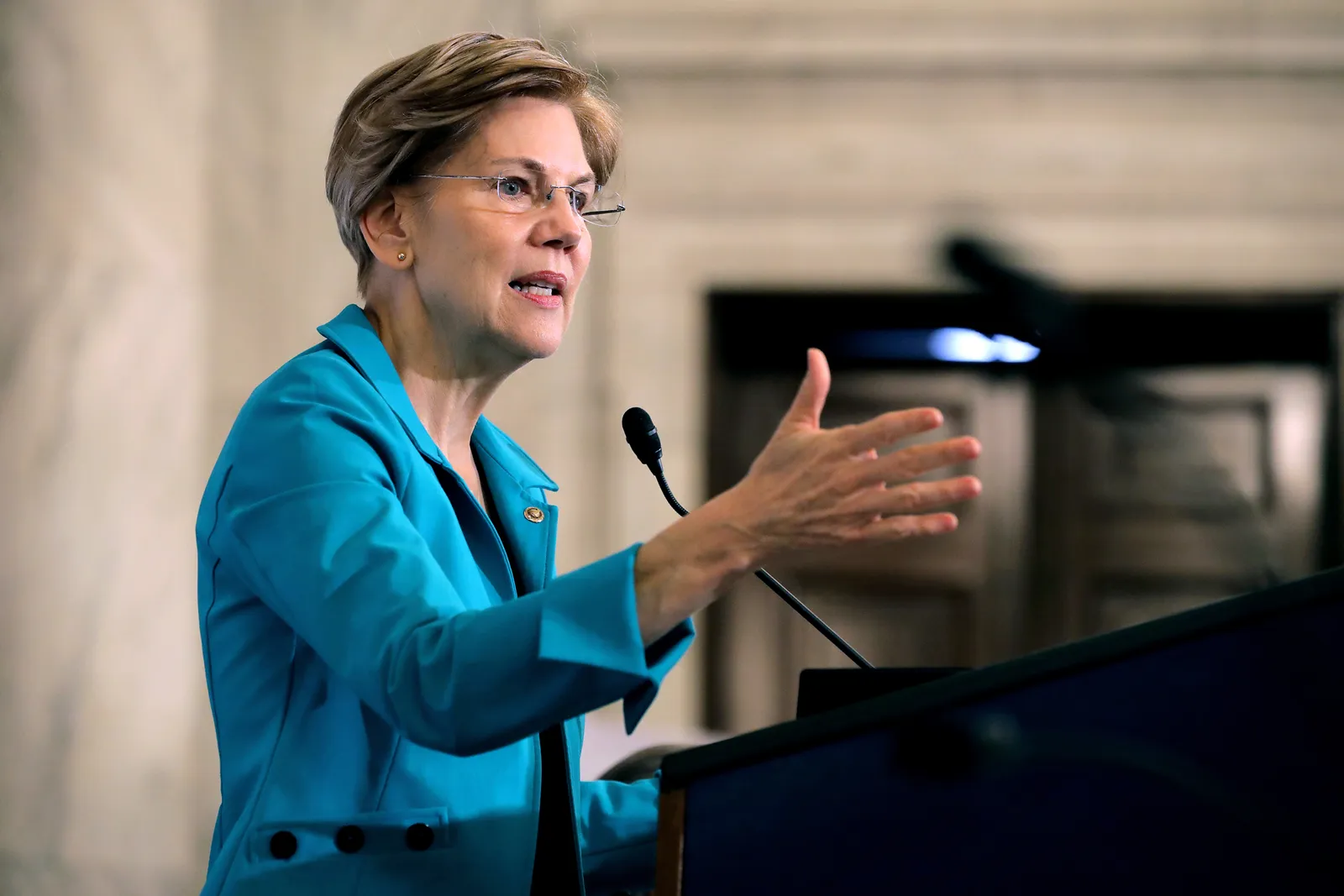
Senator Elizabeth Warren sharply criticized the OCC’s decisions, arguing that the crypto firms could function like banks without facing the same regulatory obligations imposed on traditional financial institutions.
According to Warren, allowing these companies access to banking-style operations without equivalent safeguards could expose consumers to unnecessary risks. She also requested greater transparency from the OCC regarding how the approvals were reviewed and granted.
Her concerns echo criticism from parts of the traditional banking sector, which has warned that the approvals may create an uneven competitive environment.
The Digital Chamber Defends the Process
The Digital Chamber responded by insisting the firms followed established legal and regulatory procedures rather than attempting to avoid oversight.
TDC CEO Cody Carbone argued that the companies voluntarily pursued federal supervision and should not be portrayed as entities seeking loopholes. The organization described the OCC approvals as a necessary step toward integrating digital assets into the U.S. financial system under regulated standards.
Meanwhile, banking groups continue pushing for closer monitoring of stablecoin-related risks and are seeking annual reporting requirements tied to the GENIUS Act.
Also Read: Elizabeth Warren Sounds Alarm Over OCC’s Crypto Banking Approvals
The disagreement reflects the broader policy battle unfolding in Washington as crypto adoption expands. While the crypto industry sees federal charters as a path toward legitimacy and operational clarity, critics fear regulators may be moving too quickly without imposing the same safeguards required of traditional banks.
With the GENIUS Act approaching implementation and political pressure increasing, the future relationship between crypto firms and the U.S. banking system is likely to remain a major regulatory flashpoint.
Disclaimer: The information in this article is for general purposes only and does not constitute financial advice. The author’s views are personal and may not reflect the views of Chain Affairs. Before making any investment decisions, you should always conduct your own research. Chain Affairs is not responsible for any financial losses.

I’m a crypto enthusiast with a background in finance. I’m fascinated by the potential of crypto to disrupt traditional financial systems. I’m always on the lookout for new and innovative projects in the space. I believe that crypto has the potential to create a more equitable and inclusive financial system.