|
Getting your Trinity Audio player ready...
|
- South Korea’s MOEF is testing blockchain-based tokenized deposits for actual government operational spending, with a full launch targeted for Q4 2026 starting in Sejong City.
- Tokenized deposits are bank-backed digital money — not crypto — allowing authorities to program spending limits and usage categories directly into transactions for better oversight.
- The pilot is part of a broader national strategy to convert 25% of treasury fund execution to digital currency by 2030, building on an earlier EV subsidy scheme with the Bank of Korea.
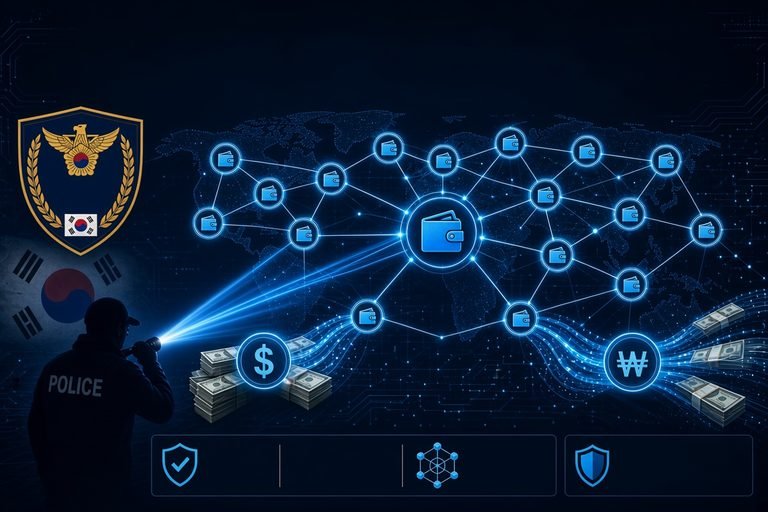
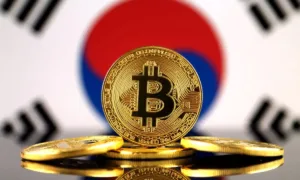
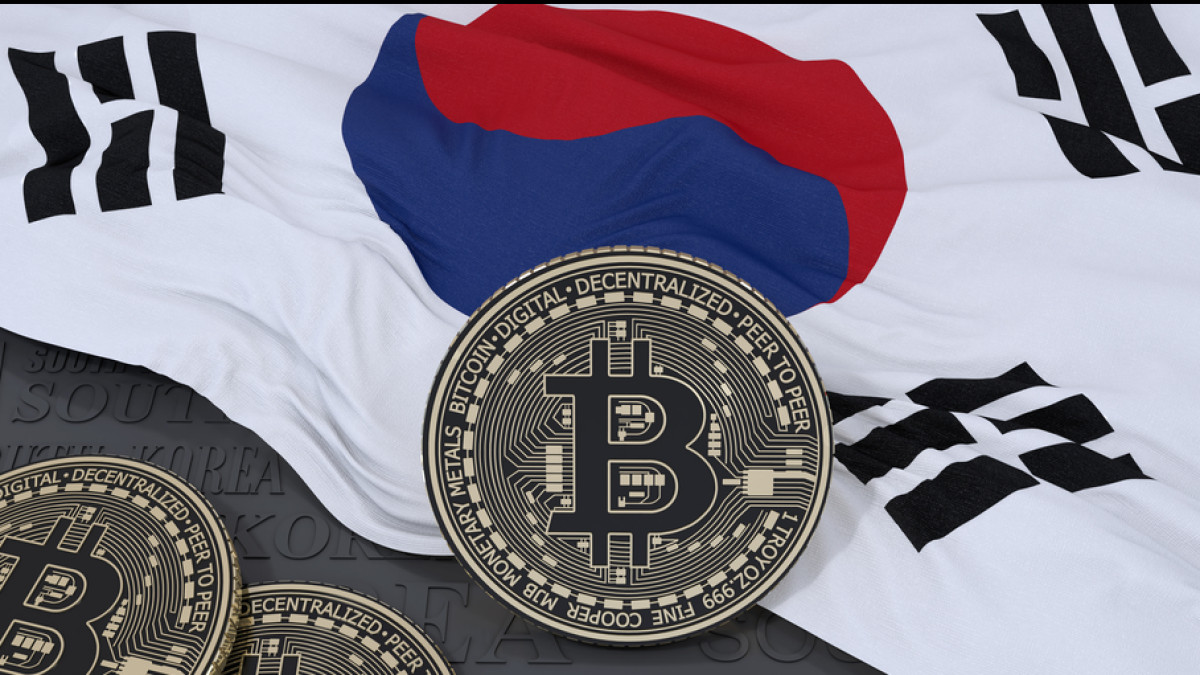
South Korea’s Ministry of Economy and Finance (MOEF) has greenlit a pilot that would use tokenized deposits — digital versions of traditional bank money — to process day-to-day government expenses. It’s a step that moves programmable money out of the theoretical and into the machinery of a real national budget.
What the pilot actually involves
The trial will launch first in Sejong City, the country’s administrative hub, and is currently being tested under a regulatory sandbox. A full rollout is targeted for Q4 2026. Under the scheme, government operational spending — currently handled through state-issued credit and debit cards — would be executed via tokenized deposits on distributed ledger infrastructure.
What makes this different from ordinary digital payments is programmability. Authorities will embed spending rules directly into the tokens, including time windows and permitted spending categories, before any funds are released. The idea is that preset conditions mean fewer opportunities for abuse and a cleaner audit trail.
Also Read: World’s Smallest Island Nation Bets on Crypto — And Picks a Controversial Envoy to Lead the Charge
Tokenized deposits: not a stablecoin, not crypto
It’s worth clarifying what tokenized deposits are — and what they are not. Unlike cryptocurrencies or even most stablecoins, tokenized deposits remain liabilities of licensed banks. They are digital representations of money already held in conventional bank accounts, just moved onto a blockchain layer. The banking relationship doesn’t change; only the plumbing does.
That distinction matters for regulators and the public. There’s no speculative asset involved. The MOEF’s sandbox approval even allows these tokens to be used for fund execution despite existing rules requiring government card processing — a meaningful legal accommodation that signals how seriously Seoul is taking this transition.
Part of a bigger national shift
This isn’t South Korea’s first move in this direction. In March, the Environment Ministry and the Bank of Korea announced a similar tokenized deposit scheme for electric vehicle charging subsidies. The MOEF has also stated a goal of converting 25% of treasury fund execution to digital currency by 2030.
Taken together, these pilots form a deliberate, staged strategy: start with controlled, bounded use cases, measure what breaks, then expand. The operational-spending pilot raises the stakes — it’s no longer a niche subsidy program but a test of whether tokenized payments can scale to routine government functions.
What comes next
The results from the Sejong pilot will feed directly into legal and regulatory reviews. If the trial performs well, the MOEF has indicated it could serve as the blueprint for broader fiscal reform. If it runs into friction — technical, legal, or political — those lessons will shape how far and how fast this goes.
For now, South Korea is doing what most governments only talk about: running a live test of programmable public money, with real budgets, real rules, and real stakes.
Disclaimer: The information in this article is for general purposes only and does not constitute financial advice. The author’s views are personal and may not reflect the views of Chain Affairs. Before making any investment decisions, you should always conduct your own research. Chain Affairs is not responsible for any financial losses.

I’m your translator between the financial Old World and the new frontier of crypto. After a career demystifying economics and markets, I enjoy elucidating crypto – from investment risks to earth-shaking potential. Let’s explore!