|
Getting your Trinity Audio player ready...
|
- Russia will require licensed intermediaries for all domestic crypto transactions.
- Retail investors face strict limits and eligibility tests.
- Critics warn the rules could push trading into offshore or unregulated markets.
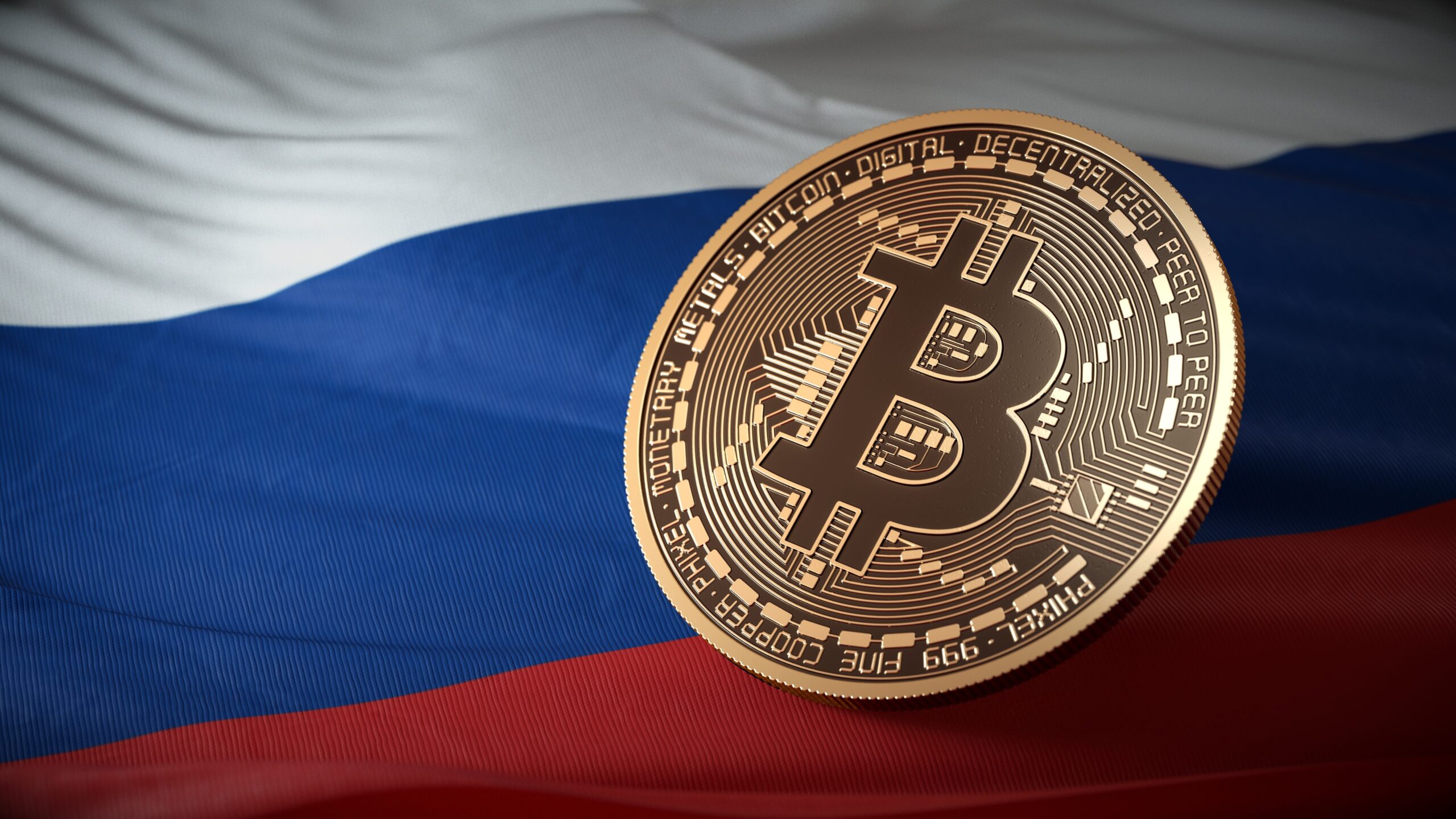
Russia is taking a decisive step toward regulating its crypto market, approving a new package of draft laws that would channel digital asset trading through licensed intermediaries while limiting access for retail investors. The move signals a shift away from loosely monitored activity toward a more controlled financial framework, even as global markets trend toward broader crypto adoption.
Retail Investors Face Strict Limits
Under the proposed rules, everyday investors in Russia will face tighter restrictions on crypto participation. Retail users will only be allowed to purchase select “high-liquidity” cryptocurrencies, as determined by the Bank of Russia.
To qualify, individuals must pass a regulatory test and will be capped at annual purchases of 300,000 rubles (around $3,700), all conducted through a single licensed intermediary. This framework aims to reduce risk exposure for non-professional investors while keeping the market accessible in a limited capacity.
At the same time, the government is not fully closing the door on crypto. Russians will still be permitted to trade digital assets abroad using foreign accounts, provided those transactions are disclosed to tax authorities. This approach suggests a strategy focused on controlling domestic flows rather than banning crypto outright.
Licensing Regime Targets Exchanges and Banks
A central feature of the reform is the introduction of a licensing system for crypto operators. Exchanges, custodial services, and other digital asset platforms will be required to obtain official approval to operate within the country.

Traditional financial institutions, including banks and brokers, will also be allowed to participate—but only if they meet strict regulatory and prudential standards. The framework further introduces penalties for firms operating without authorization, reinforcing the government’s push to formalize the sector.
This regulatory structure effectively places crypto activity under a system similar to traditional securities markets, increasing oversight and compliance requirements across the board.
Critics Warn of Unintended Consequences
Despite the government’s intent to bring transparency and control, critics argue the rules could drive crypto activity underground. Industry voices warn that limiting access and increasing compliance burdens may push traders toward unregulated platforms or offshore markets.
Analysts also highlight potential complications for decentralized finance (DeFi), where the absence of centralized intermediaries clashes with the new legal requirements. Activities such as crypto lending without licensed entities could become prohibited, raising operational risks for users.
Uncertainty remains around how global platforms like Binance and Bybit will be treated under the new system, adding another layer of complexity for Russian traders.
Also Read: Apple Removes VPN Apps in Russia — Telegram CEO Sounds Alarm
Russia’s latest regulatory push reflects a broader attempt to integrate crypto into its financial system while maintaining strict oversight. While the framework stops short of banning digital assets, it reshapes how individuals and businesses can interact with them.
The success of these measures will depend on whether they strike the right balance between control and accessibility—or unintentionally push the market further into the shadows.
Disclaimer: The information in this article is for general purposes only and does not constitute financial advice. The author’s views are personal and may not reflect the views of Chain Affairs. Before making any investment decisions, you should always conduct your own research. Chain Affairs is not responsible for any financial losses.

I’m your translator between the financial Old World and the new frontier of crypto. After a career demystifying economics and markets, I enjoy elucidating crypto – from investment risks to earth-shaking potential. Let’s explore!