|
Getting your Trinity Audio player ready...
|
- Experts and analysts view mid-summer as the final window for the bill to pass before the August recess and midterm elections.
- High-level White House aides are actively resolving disputes, marking a shift in how the administration handles digital asset policy.
- Traditional banks are now actively supporting the legislative process to protect their competitive interests in the digital economy.
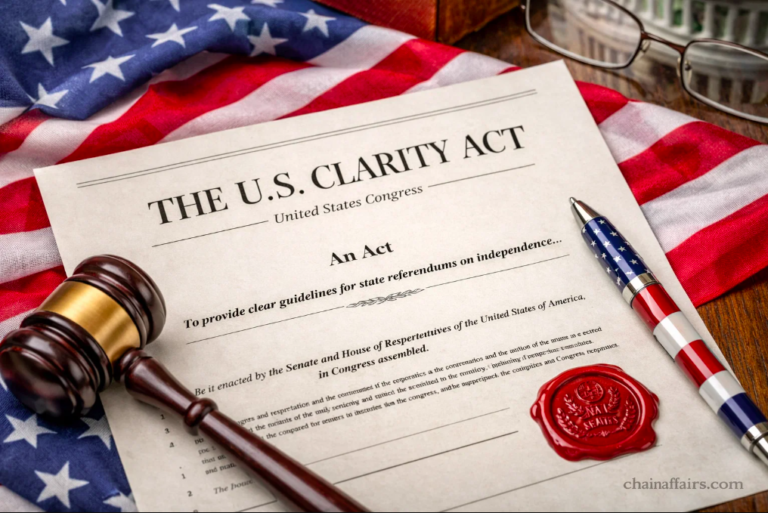
The clock is ticking for United States cryptocurrency regulation. While the legislative path in Washington is rarely a straight line, Solana Policy Institute President Kristin Smith believes a definitive breakthrough for the CLARITY Act could arrive by July 2026. This optimistic timeline, shared during a recent Fortune report, suggests that despite a looming midterm election and deep-seated political friction, the stars may finally be aligning for digital asset oversight.
A High-Stakes Timeline
Smith’s projection mirrors recent sentiment from JPMorgan analysts, who also anticipate mid-year approval for the market structure bill. However, the path is fraught with technical hurdles. Typically, niche legislation survives by hitching a ride on “must-pass” packages, such as year-end defense spending bills. The CLARITY Act, however, is currently standing on its own.
To move forward, the bill requires a green light from top leadership in both parties. While Republican support is firm, the gatekeeper for the Democrats remains Senator Elizabeth Warren—a long-standing and vocal critic of the current market structure proposal.
New Players at the Negotiating Table
What distinguishes this push from previous failed attempts is the unprecedented level of involvement from the executive branch and traditional finance (TradFi). Smith noted that White House aides, including David Sacks and Patrick Witt, are personally mediating outstanding issues.
Furthermore, the “big banks” are no longer sitting on the sidelines. Driven by competitive pressure and a desire for legal certainty, TradFi institutions are actively lobbying alongside crypto natives. This shift from opposition to participation has created a “everyone at the table” dynamic that was absent in previous years.
Also Read: Trump Demands Action on CLARITY Act: Will U.S. Lose Crypto Leadership?
The July Deadline
The next six weeks represent a “make-or-break” window. If the Senate Banking Committee can advance the bill by April, it stands a fighting chance of reaching the Senate floor before the August congressional recess.
“If they miss that, the next window would be in the fall,” Smith warned, noting that the distractions of the November midterms often paralyze standalone legislative efforts. With stablecoin negotiations already hitting a fever pitch, the industry is bracing for a period of intense compromise. Whether the CLARITY Act becomes law or a casualty of election-year politics likely depends on the momentum generated before the summer heat hits D.C.
Disclaimer: The information in this article is for general purposes only and does not constitute financial advice. The author’s views are personal and may not reflect the views of Chain Affairs. Before making any investment decisions, you should always conduct your own research. Chain Affairs is not responsible for any financial losses.

I’m your translator between the financial Old World and the new frontier of crypto. After a career demystifying economics and markets, I enjoy elucidating crypto – from investment risks to earth-shaking potential. Let’s explore!