|
Getting your Trinity Audio player ready...
|
- Kevin Warsh is the clear frontrunner to become the next Federal Reserve chair.
- He supports fiscal discipline while holding a favorable view of Bitcoin’s role.
- Markets are already pricing in a more hawkish Fed direction.
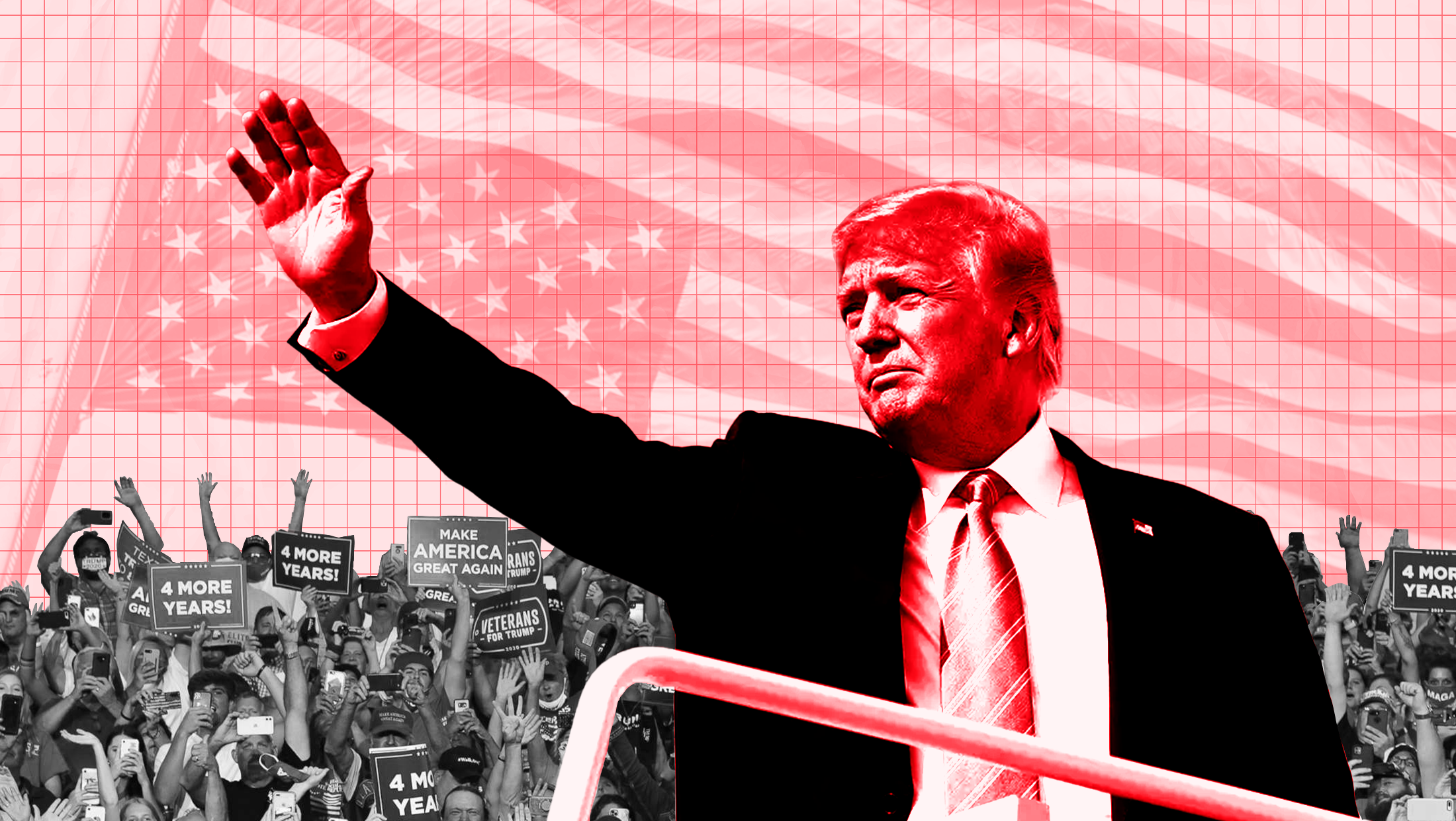
Anticipation is building in Washington and on Wall Street as US President Donald Trump prepares to reveal his nominee to lead the Federal Reserve. Multiple major outlets report that former Fed governor Kevin Warsh is set to be named as the next central bank chair, a choice that markets increasingly view as all but confirmed.
If announced, Warsh would replace Jerome Powell when his term ends in May, marking a potentially sharp shift in tone at the Fed—one that could carry meaningful implications for inflation policy, interest rates, and digital assets such as Bitcoin.
Kevin Warsh Emerges as Overwhelming Favorite
Prediction markets have moved decisively toward Warsh in recent days. On Polymarket, his odds of securing the nomination surged to 95%, up from roughly 30%, while former frontrunner Rick Rieder dropped to just 3.4%. Similar dynamics are playing out on Kalshi, where Warsh stands near 93%, far ahead of Rieder and economist Kevin Hassett.

Reuters previously reported that Trump met with Warsh on Thursday, and a source familiar with the discussion said the former Fed governor left a strong impression on the president. Warsh served on the Federal Reserve Board from 2006 to 2011, a period that included the global financial crisis.
A Hawkish Reputation With a Bitcoin-Friendly Twist
Warsh is widely viewed as favoring tighter fiscal discipline, a strong stance against inflation, and a gradual retreat from quantitative easing. Those positions place him on the more hawkish end of the policy spectrum compared with Powell.
At the same time, Warsh has expressed a notably more constructive view of Bitcoin. In a July interview with the Hoover Institution, he argued that Bitcoin does not threaten the Fed’s ability to manage the economy and can instead provide useful market feedback.
“Bitcoin doesn’t trouble me,” Warsh said, adding that it can act as a “policeman for policy” by signaling when policymakers are getting things right—or wrong. The comments contrast with Powell’s historically skeptical posture toward cryptocurrency’s role in the US financial system.
Markets React to Growing Certainty
Financial markets are already responding to the prospect of a Warsh-led Fed. The US dollar has strengthened, while Treasury yields have moved higher, reflecting expectations of a more hawkish central bank path.
For crypto investors, the picture is nuanced. A tougher stance on inflation and liquidity could pressure risk assets in the short term, but Warsh’s openness to Bitcoin as a legitimate asset may ease regulatory anxiety around its place in the broader economy.
If confirmed, Warsh would inherit an economy still balancing growth concerns against inflation risks. His track record suggests an emphasis on credibility, restraint, and long-term stability.
Also Read: Eric Trump Criticizes New York City Bureaucracy Over Construction Delays
For Bitcoin, his nomination may not guarantee favorable policy, but it signals a shift toward leadership that at least acknowledges the asset’s relevance.
Trump’s expected nomination of Kevin Warsh points to a more hawkish Federal Reserve with a surprisingly pragmatic view of Bitcoin. As markets recalibrate, investors across traditional finance and crypto will be watching closely for signals about how this potential leadership change could reshape US monetary policy.
Disclaimer: The information in this article is for general purposes only and does not constitute financial advice. The author’s views are personal and may not reflect the views of Chain Affairs. Before making any investment decisions, you should always conduct your own research. Chain Affairs is not responsible for any financial losses.

I’m a crypto enthusiast with a background in finance. I’m fascinated by the potential of crypto to disrupt traditional financial systems. I’m always on the lookout for new and innovative projects in the space. I believe that crypto has the potential to create a more equitable and inclusive financial system.