|
Getting your Trinity Audio player ready...
|
In a significant diplomatic breakthrough, China and India have reached a crucial agreement to resolve their long-standing border dispute, just in time for the highly anticipated BRICS 2024 Summit. This pivotal development not only marks the end of a four-year standoff but is also expected to reshape the dynamics between two of the bloc’s most influential nations. With leaders from both countries set to converge in Kazan, this agreement could lay the groundwork for enhanced cooperation within the BRICS framework.
The recent agreement is poised to ease tensions that have simmered since a violent clash in 2020 resulted in casualties on both sides. India’s Minister of External Affairs, Subrahmanyam Jaishankar, announced that the disengagement process has been completed, signaling a return to pre-2020 border conditions. “We will resume patrolling operations after this agreement,” he stated, emphasizing the restoration of stability along the Himalayan border.
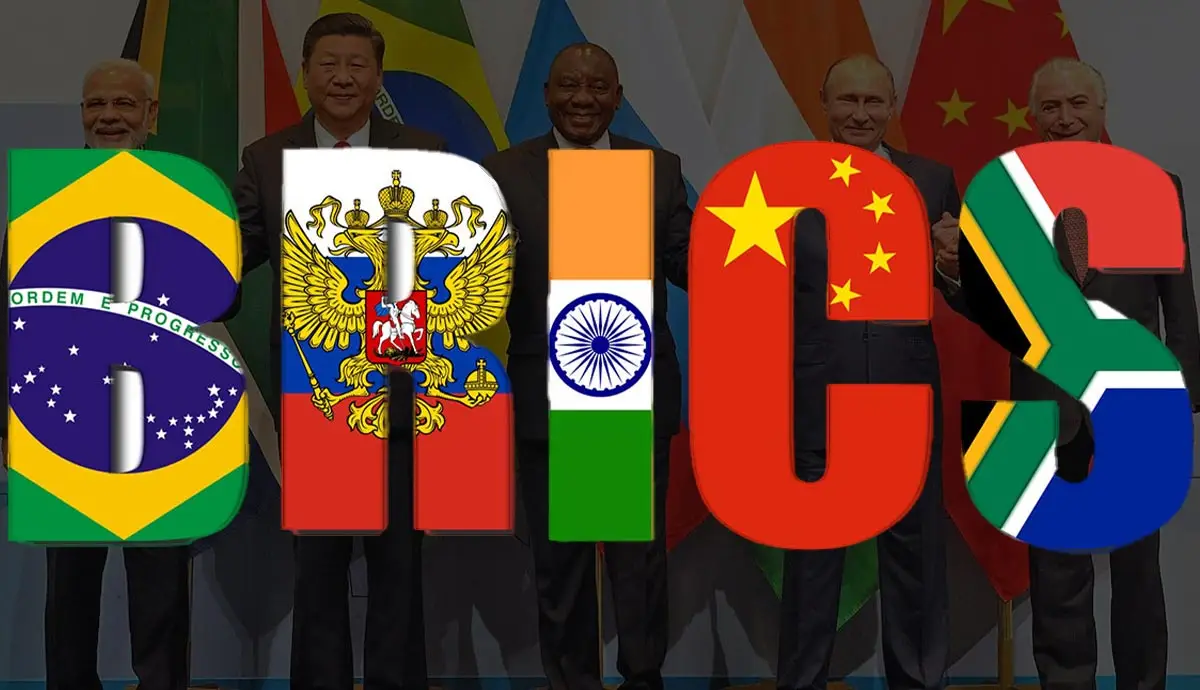
As both nations gear up for the BRICS Summit, scheduled to take place over two days, the atmosphere of cooperation between India and China will be closely watched. Reports indicate that the two sides are expected to engage in discussions on various geopolitical issues, potentially setting a collaborative tone for the summit. The BRICS bloc, which includes Brazil, Russia, India, China, and South Africa, has been positioning itself as a formidable force in global politics, controlling 20% of the world’s gold reserves and exploring avenues for a new payment system that could enhance financial autonomy.
The Broader Implications of the Agreement
The resolution of the border dispute has broader implications for the geopolitical landscape. As BRICS considers expanding its membership with several countries showing interest, a united front between India and China could strengthen the bloc’s position on the global stage. Furthermore, with ongoing discussions about introducing a BRICS currency and collaborative trade initiatives, the timing of this agreement could not be more crucial.
The summit is anticipated to showcase a new era of cooperation within BRICS, potentially welcoming 11 additional countries as ‘associated partners’. This expansion could enhance the bloc’s influence, particularly in counterbalancing Western dominance in global affairs. Both China and India, as leading economies in the group, play a vital role in shaping its agenda and direction.
A Tentative Path Forward
While the agreement is a step forward, the future of Sino-Indian relations remains delicate. China’s Foreign Ministry has yet to comment publicly on the resolution, indicating that while a diplomatic breakthrough has occurred, challenges may still lie ahead. Both nations must navigate their complex relationship carefully, balancing national interests with the collective goals of the BRICS alliance.
Also Read: BRICS Nations Aim To Revolutionize Finance: New Digital Currency Could Impact $13 Trillion In Trade!
As the BRICS 2024 Summit approaches, the world will be watching closely to see how China and India leverage their renewed relationship to foster cooperation and address shared challenges. The resolution of their border dispute is not just a diplomatic victory; it represents a potential turning point for the BRICS bloc and the international order as a whole.
In conclusion, the agreement between China and India is a momentous development ahead of the BRICS 2024 Summit. It reflects the potential for collaboration among member nations and underscores the importance of diplomatic engagement in resolving longstanding disputes. As both countries prepare for the summit, the global community awaits the outcomes of their discussions, hoping for a more united and influential BRICS in the years to come.
Disclaimer: The information in this article is for general purposes only and does not constitute financial advice. The author’s views are personal and may not reflect the views of Chain Affairs. Before making any investment decisions, you should always conduct your own research. Chain Affairs is not responsible for any financial losses.

Crypto and blockchain enthusiast.