

|
Getting your Trinity Audio player ready...
|
- Bitcoin reached a new 2026 high near $94,000 despite weak U.S. manufacturing data.
- Reports suggest forfeited government bitcoin may have been sold, raising policy concerns.
- Lawmakers warn mixed signals could weaken U.S. crypto strategy.
Bitcoin surged to a new 2026 high near $94,000 this week, extending a strong rally that has held up despite weak U.S. economic data. The move comes as a separate controversy unfolds in Washington over whether federal agencies are following White House orders on how government-owned bitcoin should be handled.
Together, the two developments highlight a growing disconnect between Bitcoin’s market momentum and unresolved questions about U.S. crypto policy execution.
Bitcoin Rally Defies Weak Economic Signals
Bitcoin gained more than 3% on the day, briefly touching $94,000 before easing slightly, while still holding most of its gains. The rally came even as new data showed continued contraction in U.S. manufacturing.
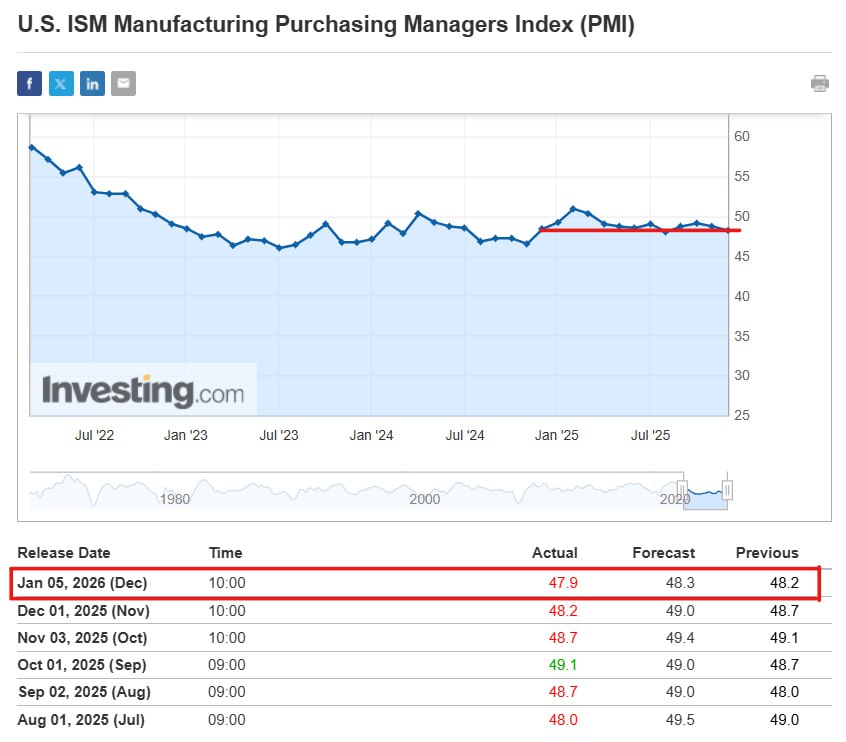
The latest ISM Manufacturing Purchasing Managers’ Index remained below the key 50 level, signaling a tenth straight month of contraction. Traditionally, such readings suggest economic slowdown. Yet investors continued to rotate into risk assets, with Bitcoin leading gains across digital markets.
Analysts point to improving U.S. demand as a key factor. The Coinbase Bitcoin Premium Index, a proxy for U.S.-based buying pressure, turned positive again in early 2026 after hitting a multi-month low near $88,000. That shift suggests institutional and high-net-worth investors are stepping back in despite macro uncertainty.
Questions Emerge Over U.S. Bitcoin Reserve Handling
While prices climb, a policy dispute is drawing attention to how the U.S. government manages bitcoin already in its possession.
Reports indicate that bitcoin forfeited by Samourai Wallet developers as part of a DOJ plea deal may have been transferred to an institutional exchange account and potentially sold. If confirmed, such a move would clash with an executive order that directs federal agencies to retain forfeited bitcoin as part of a Strategic Bitcoin Reserve.
The order frames bitcoin as a long-term strategic asset, similar in concept to gold reserves, rather than a source of short-term liquidity.
Lawmakers Warn of Mixed Signals
Senator Cynthia Lummis has questioned why government agencies would liquidate bitcoin while the White House is promoting accumulation. She and other critics argue that inconsistent execution weakens U.S. credibility at a time when other countries are actively building digital asset exposure.
The issue has fueled concern within the crypto community that unclear enforcement of policy could undermine long-term strategy, even as Bitcoin’s price performance suggests growing confidence in the asset itself.
Market Strength Meets Policy Uncertainty
Bitcoin’s climb toward $94,000 underscores resilient demand and improving market structure, even against a backdrop of slowing economic data. But the unresolved questions around the Strategic Bitcoin Reserve highlight a broader challenge: aligning policy intent with real-world execution.
For now, investors are watching both the charts and Washington closely, as Bitcoin’s next move may depend as much on policy clarity as on market momentum.
Disclaimer: The information in this article is for general purposes only and does not constitute financial advice. The author’s views are personal and may not reflect the views of Chain Affairs. Before making any investment decisions, you should always conduct your own research. Chain Affairs is not responsible for any financial losses.