
|
Getting your Trinity Audio player ready...
|
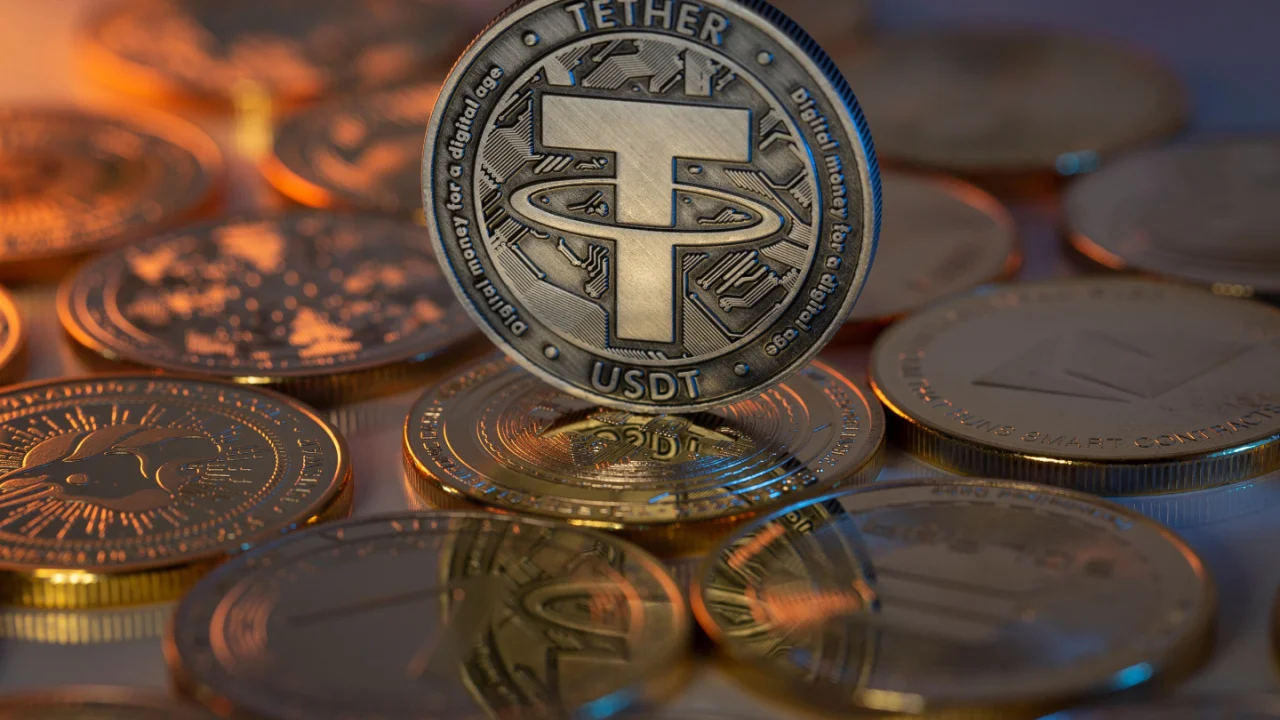
Venezuela’s state-owned oil company, PDVSA, is making a strategic shift towards Tether (USDT), a leading stablecoin pegged to the US dollar, for its oil exports. This move comes in response to the recent US decision to reimpose sanctions on Venezuela’s oil industry, according to a Reuters report citing informed sources.
Sanctions Snapback and Winding Down
Last week, Reuters reported that the Biden administration opted not to renew a license that eased oil sanctions on Venezuela, citing President Nicolas Maduro’s failure to meet election pledges. This decision effectively tightened the screws, forcing PDVSA’s customers and suppliers to wind down transactions by May 31st.
PDVSA’s embrace of USDT is a calculated move to mitigate the risk of US sanctions freezing their oil sale profits held in overseas bank accounts. Sources familiar with the matter revealed that PDVSA has been steadily increasing its use of USDT in oil transactions since last year.
By the end of the first quarter of 2024, PDVSA had reportedly shifted a significant portion of its non-swap spot oil deals to contracts requiring prepayment in USDT. This suggests a potential long-term strategy for the Venezuelan oil giant.
Crypto Adoption for New Customers
PDVSA is also reportedly requesting new customers seeking oil purchases to hold cryptocurrency in a digital wallet. This move further highlights PDVSA’s commitment to utilizing cryptocurrencies to navigate the complexities of US sanctions.
The Road Ahead: Challenges and Implications
While Tether offers a potential workaround for Venezuela, some challenges remain. The compliance departments of many oil traders may not approve transactions involving USDT, hindering its widespread adoption for oil sales. Additionally, PDVSA has reportedly relied on middlemen for some of its recent oil sales, especially to China, due to the secondary sanctions imposed by the US in 2020.
The increasing use of cryptocurrencies like USDT by sanctioned nations raises questions about the effectiveness of traditional sanctions in the digital age. It remains to be seen whether Venezuela’s crypto strategy will prove successful in the long run.


Crypto and blockchain enthusiast.