
|
Getting your Trinity Audio player ready...
|
Key Takeaways:
- Trump’s planned executive order would block banks from denying crypto firms services based on industry or political bias.
- The move aims to dismantle “Operation Chokepoint 2.0” and open U.S. banking to digital assets again.
- Regulators and major banks are under increasing pressure to align with the GOP’s pro-crypto stance.
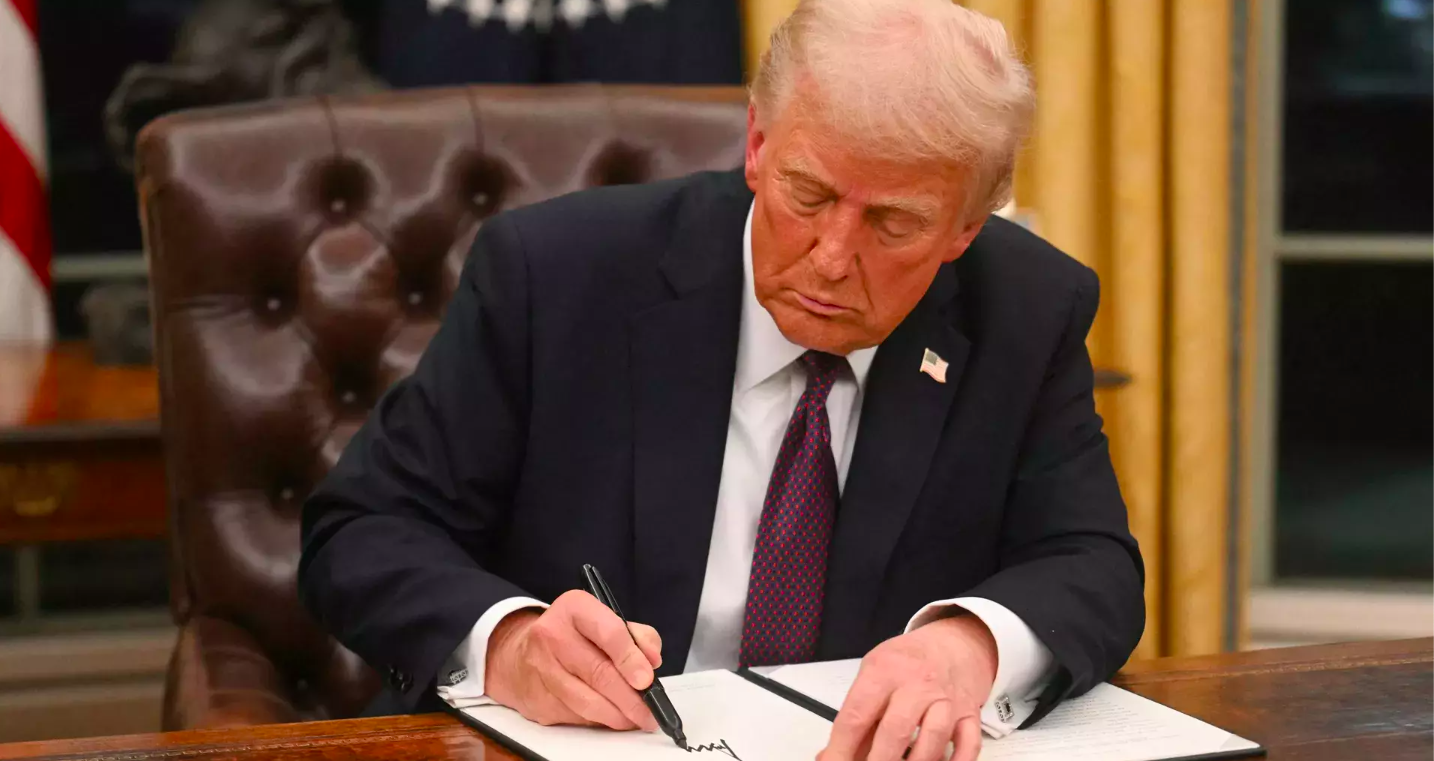
U.S. President Donald Trump is preparing to sign a sweeping executive order that would prevent banks from denying services to cryptocurrency companies based on political affiliation or industry association. The order, as reported by The Wall Street Journal, is seen as a direct response to what many in the crypto world describe as Operation Chokepoint 2.0—a de facto financial blockade on digital asset firms during the Biden administration.
Executive Order Aims to Rein in Banking Bias
The proposed executive order would prohibit financial institutions from discriminating against customers based on their political views or industry classification, including those operating in the digital asset space. It would also grant new powers to regulators to discipline banks that violate these provisions.
Major banks such as JPMorgan, Citibank, and Bank of America have reportedly engaged in quiet discussions with Republican state leaders in recent months, hoping to avoid legal repercussions or regulatory penalties tied to politically motivated “debanking.”
GOP Pushback on Operation Chokepoint 2.0 Intensifies
Trump’s action follows months of growing GOP outrage over what critics label as politically biased financial censorship. The term Operation Chokepoint 2.0 emerged to describe an alleged informal campaign under the Biden administration to isolate crypto firms from the banking system.
Although no official directive was issued, numerous digital asset companies—including Ripple and Kraken—have claimed they were denied or lost banking services without clear justification, sparking fears of a coordinated anti-crypto stance within regulatory bodies.
Regulatory Winds Shift in Favor of Crypto
In a sign of changing tides, the Federal Reserve recently removed the “reputational risk” metric from its bank examination procedures, reducing the ability of regulators to penalize banks for serving controversial clients, such as crypto platforms.
The Trump administration has also begun efforts to roll back key regulations such as SEC’s Staff Accounting Bulletin (SAB 121) and new DeFi reporting requirements. These moves align with Trump’s broader pledge to transform the U.S. into a global hub for cryptocurrency innovation.
If enacted, the executive order could mark a pivotal moment for the digital asset industry, reversing years of institutional friction and signaling a major shift in federal crypto policy.
Also Read: Bitcoin Price Slips Below $102K as Trump Confirms Iran Strikes
With financial institutions under growing scrutiny and regulatory headwinds shifting, U.S.-based crypto firms may finally regain stable access to essential banking services—paving the way for renewed innovation and investment.
Disclaimer: The information in this article is for general purposes only and does not constitute financial advice. The author’s views are personal and may not reflect the views of Chain Affairs. Before making any investment decisions, you should always conduct your own research. Chain Affairs is not responsible for any financial losses

I’m your translator between the financial Old World and the new frontier of crypto. After a career demystifying economics and markets, I enjoy elucidating crypto – from investment risks to earth-shaking potential. Let’s explore!