|
Getting your Trinity Audio player ready...
|
- Tether signed an MOU with the Nairobi Securities Exchange to explore tokenized securities, blockchain infrastructure, and USDT as a settlement layer.
- The deal could involve Tether’s Hadron platform for issuing and trading tokenized securities, pending Kenyan regulatory approval.
- The move comes as tokenized real-world assets hit $36.8 billion onchain, with stablecoins like USDT (a $184 billion market) adding nearly $298 billion more to the RWA landscape.
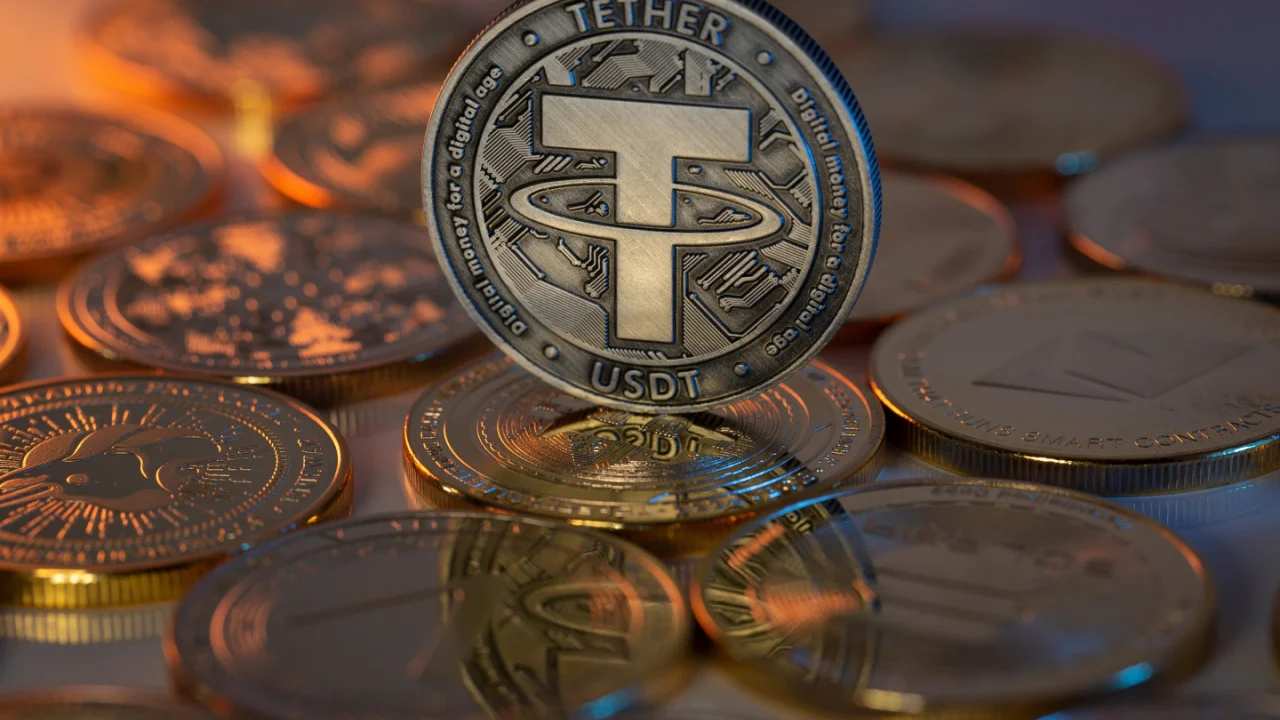
Tether, the issuer behind the world’s largest stablecoin, is looking to expand its footprint in East Africa. The company has signed a memorandum of understanding with the Nairobi Securities Exchange (NSE), setting the stage for a deeper look at tokenized securities, blockchain-powered market infrastructure, and how USDt (USDT) might function as a settlement tool within Kenya’s financial system.
The announcement, made public Tuesday, signals another step in Tether’s broader ambition to move beyond stablecoins and into the infrastructure layer of global capital markets.
What the Agreement Covers
According to Tether, the partnership will focus on three main areas: blockchain-based market infrastructure, education around digital assets, and the tokenization of real-world assets. A key piece of that last category involves Hadron, Tether’s in-house tokenization platform, which could potentially be used to issue and trade tokenized securities on the Kenyan exchange.
The two parties also plan to study instant settlement mechanisms — essentially, faster ways to finalize trades — and whether USDT could serve as a digital settlement layer for transactions, contingent on approval from Kenyan regulators. Nothing here is finalized; the MOU is exploratory, not a rollout plan.
Part of a Bigger Tokenization Trend
The timing lines up with a broader shift happening across global markets. Tokenized real-world assets, excluding stablecoins, have climbed to roughly $36.8 billion in onchain value, according to data from RWA.xyz. That figure covers things like tokenized bonds, real estate, and other traditional financial instruments now living on blockchain rails.
Stablecoins add another massive layer to that picture. RWA.xyz separately tracks close to $298 billion in stablecoins in circulation, and some analysts group these under the RWA umbrella too, since they’re backed by reserves held off-chain. USDT alone accounts for around $184 billion of that total, cementing its position as the dominant stablecoin by market cap.
Also Read: Bloomberg Investigation Reveals How Tether May Have Influenced the GENIUS Act
Why This Matters for Africa’s Markets
For the Nairobi Securities Exchange, the deal offers a chance to modernize its infrastructure and potentially attract fresh interest from crypto-native investors. For Tether, it’s a foothold in a region where digital asset adoption has been growing steadily, driven partly by demand for dollar-denominated stability in local economies.
Whether this MOU translates into an actual tokenized securities market in Kenya remains to be seen. Regulatory clarity will be the deciding factor, and that process tends to move slower than the technology itself. Still, the agreement adds Kenya to a growing list of markets where Tether is testing the waters for its tokenization ambitions.
Disclaimer: The information in this article is for general purposes only and does not constitute financial advice. The author’s views are personal and may not reflect the views of Chain Affairs. Before making any investment decisions, you should always conduct your own research. Chain Affairs is not responsible for any financial losses.

I’m a crypto enthusiast with a background in finance. I’m fascinated by the potential of crypto to disrupt traditional financial systems. I’m always on the lookout for new and innovative projects in the space. I believe that crypto has the potential to create a more equitable and inclusive financial system.