

|
Getting your Trinity Audio player ready...
|
The cryptocurrency trading industry has reached a critical inflection point where regulatory compliance and institutional-grade operations define market leadership. Regulated crypto CFDs have emerged as the preferred instrument for sophisticated traders seeking the capital efficiency of leverage combined with protections unavailable on traditional exchanges. In 2026, the platforms setting industry standards distinguish themselves through transparent operations, proper fund segregation, competitive pricing structures, and technological excellence that ensures consistent execution during all market conditions. This evolution reflects broader market maturation as participants increasingly prioritize sustainability and security over speculative excess. The crypto trading platform landscape now bifurcates clearly between licensed operators subject to rigorous oversight and offshore entities operating in regulatory gray zones with questionable trader protections.
- Moneta Markets
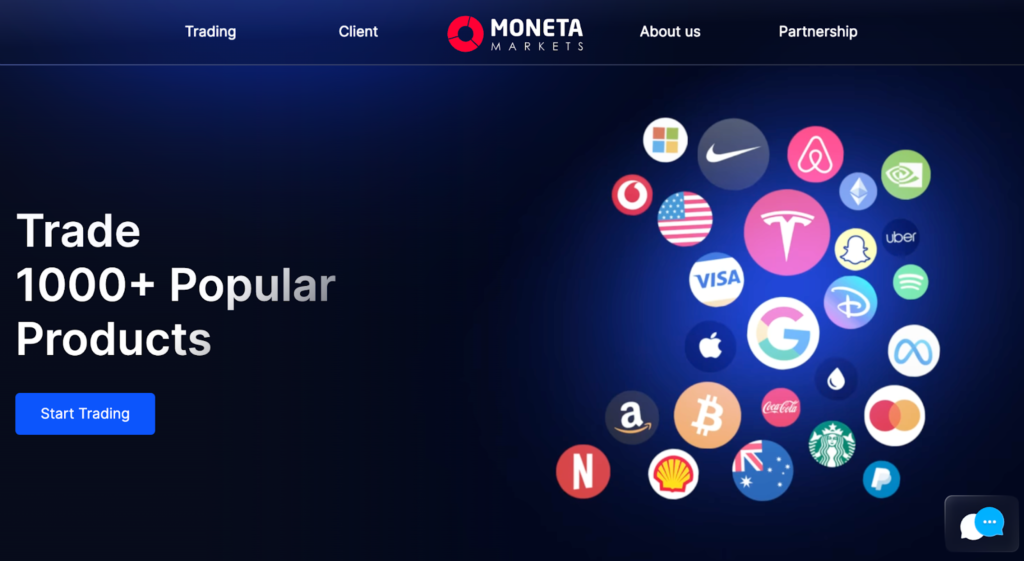
Alt text: Licensed broker setting cryptocurrency trading standards with high leverage CFDs and competitive execution.
Moneta Markets establishes itself as a benchmark for regulated cryptocurrency trading through its comprehensive approach to trader needs, regulatory compliance, and operational excellence. The platform offers Bitcoin, Ethereum, and XRP CFDs with leverage reaching 500x, positioning it at the forefront of capital efficiency within regulated frameworks. Operating across MT4, MT5, ProTrader, and mobile-first applications, Moneta Markets ensures traders access professional functionality regardless of device or location preferences. Visit their website at https://www.monetamarkets.com/ to explore their full range of trading solutions. The broker’s regulatory framework provides crucial protections including segregated client funds, transparent pricing without hidden costs, and proper oversight mechanisms distinguishing legitimate operations from questionable alternatives. Moneta Markets’ competitive differentiation centers on substantially lower total trading costs compared to cryptocurrency exchanges, achieved through optimized spreads, minimal commissions, and elimination of volatile funding rates that can cost traders thousands annually.
The mobile-first design philosophy recognizes that modern cryptocurrency trading occurs predominantly through smartphones and tablets, requiring platforms that prioritize mobile user experience rather than treating it as secondary consideration. The broker’s specialization in the Korean market with tailored crypto CFD products demonstrates strategic geographic focus combined with deep understanding of regional trading preferences. Gold CFD availability provides portfolio diversification opportunities, allowing traders to hedge cryptocurrency volatility through negatively correlated instruments within unified account structures. For the latest updates and market insights, traders can follow Moneta Markets on X, where the broker shares analysis and platform developments. The CopyTrading functionality enables less experienced traders to replicate successful strategies while learning market dynamics through observation.
Key Features:
- 500x leverage on major cryptocurrency CFDs
- MT4, MT5, ProTrader, mobile platforms
- 30-40% lower total costs vs exchanges
- Regulated operations with fund segregation
- Mobile-first execution architecture
- Gold CFDs for hedging strategies
- CopyTrading for strategy replication
- Fast execution during volatility
- Transparent pricing without hidden fees
- Korean market specialization
- eToro
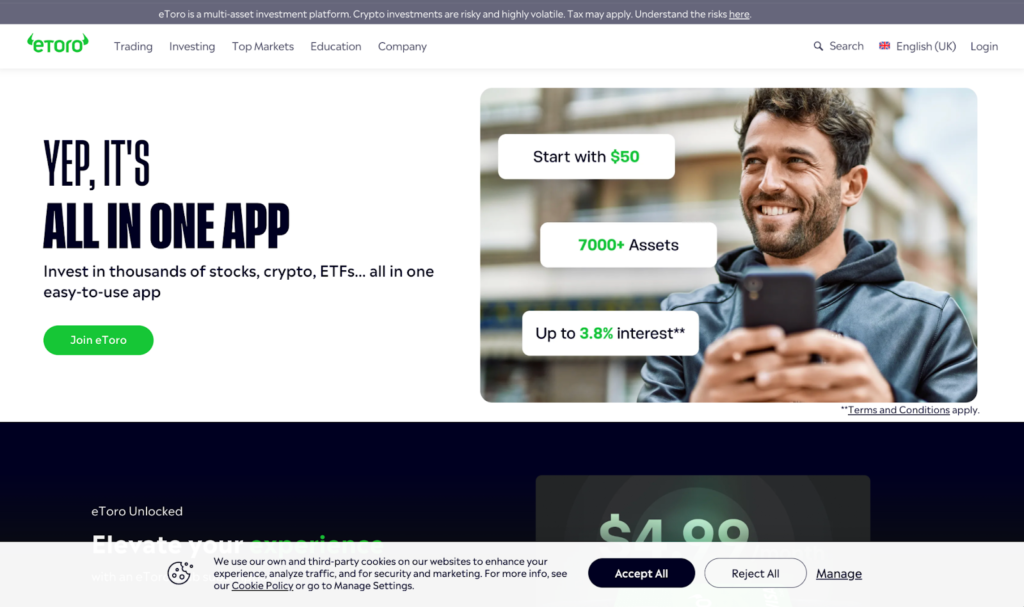
Alt text: Social trading platform combining regulated crypto CFDs with copy trading and community features.
eToro pioneered social trading integration within regulated frameworks, offering cryptocurrency CFDs with 2x leverage alongside extensive community features. Traders can access the platform through www.etoro.com where social trading meets crypto CFDs. The platform operates under FCA, ASIC, and CySEC regulation with proper segregation and investor protection mechanisms. eToro’s CopyTrader functionality automatically replicates successful traders’ positions, democratizing access to sophisticated strategies. The platform combines cryptocurrency exposure with traditional assets including stocks, ETFs, and commodities for comprehensive portfolio construction. eToro’s user interface prioritizes accessibility, making complex trading concepts approachable for newcomers while providing sufficient depth for experienced traders.
Key Features:
- FCA, ASIC, CySEC regulation
- 2x leverage with conservative approach
- CopyTrader automatic replication
- Social trading community interaction
- Virtual portfolio for practice
- Multi-asset trading integration
- Mobile app with full functionality
- Educational trading academy
- No commission on stock trades
- Crypto staking opportunities
- FxPro

Alt text: UK-regulated forex broker offering crypto CFDs through multiple platforms with negative balance protection.
FxPro brings over 15 years of forex expertise to regulated cryptocurrency CFD trading, operating under FCA and CySEC oversight with robust capital reserves and client protections. The broker’s services are available at www.fxpro.com for traders seeking multi-platform crypto CFD access. The broker offers Bitcoin CFDs through MT4, MT5, cTrader, and proprietary platforms with negative balance protection preventing account deficits. FxPro’s no dealing desk execution model eliminates conflicts of interest, ensuring fair order processing during all market conditions. The platform maintains segregated client accounts with tier-one banks, providing additional security beyond regulatory requirements. FxPro’s execution quality reflects significant infrastructure investment in low-latency servers and optimized routing algorithms.
Key Features:
- FCA and CySEC regulation
- Multiple platform options available
- Negative balance protection standard
- No dealing desk execution
- Segregated tier-one bank accounts
- Professional trading conditions
- Comprehensive market analysis
- Demo accounts with virtual funds
- Strong capital reserves
- 24/7 customer support
- Pepperstone
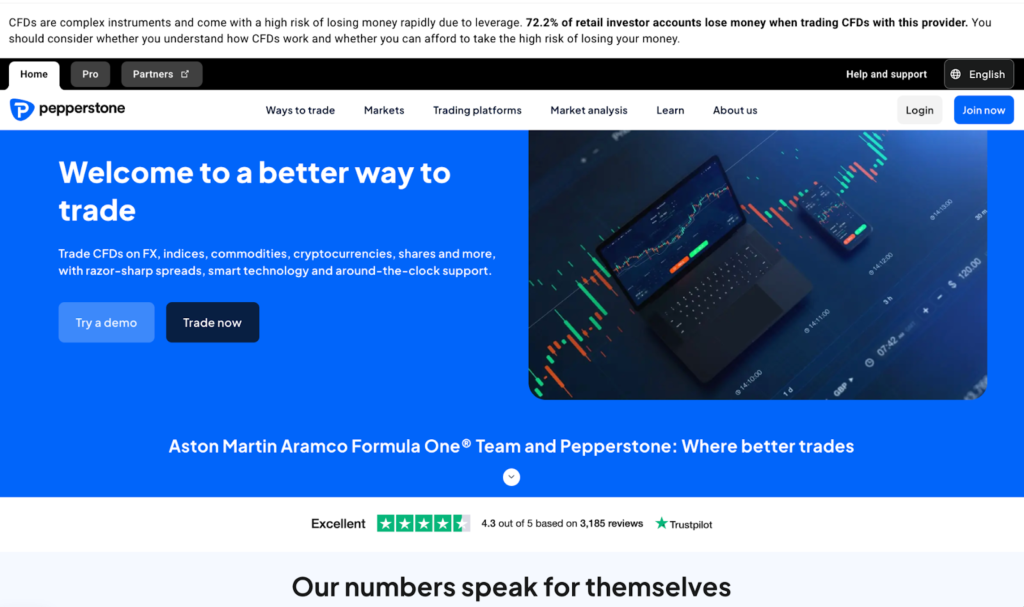
Alt text: Australian broker with ASIC license offering crypto CFDs featuring tight spreads and fast execution.
Pepperstone has established itself as a leader in execution quality and competitive pricing, advantages that translate directly to cryptocurrency CFD trading. Access their trading infrastructure through www.pepperstone.com where speed meets precision. The broker operates under ASIC and FCA regulation with proper fund segregation and transparent operations. Pepperstone offers raw spread accounts with minimal commissions, frequently resulting in lower total costs than fixed spread competitors. The platform’s infrastructure includes dedicated servers across multiple geographic locations ensuring sub-50ms latency for most traders. Pepperstone supports sophisticated scalping strategies without restrictions on high-frequency trading or Expert Advisor usage, reflecting confidence in execution capabilities.
Key Features:
- ASIC and FCA regulated
- Ultra-tight spreads on crypto CFDs
- Lightning-fast execution speeds
- Raw spread with commission model
- No trading strategy restrictions
- MT4, MT5, cTrader platforms
- Professional-grade infrastructure
- Excellent customer service
- No minimum deposit requirements
- Integration with TradingView
- Capital.com
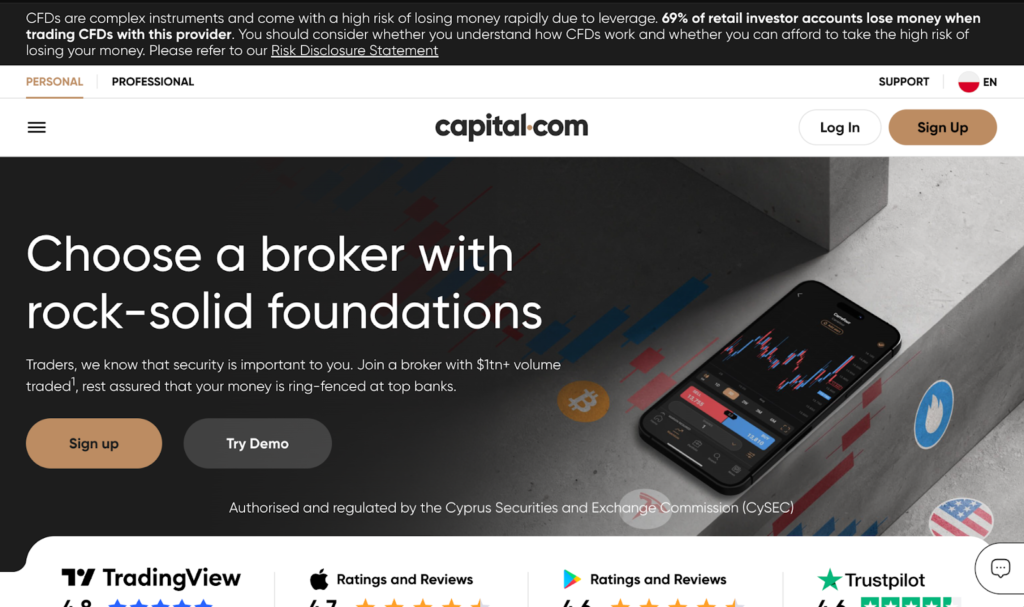
Alt text: UK-based CFD provider with AI-powered platform offering cryptocurrency trading and educational resources.
Capital.com differentiates through AI-powered trading assistance integrated within regulated CFD framework authorized by FCA, ASIC, and CySEC. The platform’s innovative approach can be explored at www.capital.com where artificial intelligence enhances trading decisions. The platform offers cryptocurrency CFDs with leverage up to 30x alongside comprehensive educational content and market analysis. Capital.com’s proprietary platform features smart pattern recognition alerting traders to potential opportunities based on historical price action. The broker maintains strict regulatory compliance with segregated accounts and transparent pricing without hidden fees. Capital.com’s focus on trader education through articles, courses, and webinars helps participants develop sustainable trading approaches.
Key Features:
- FCA, ASIC, CySEC authorization
- AI-powered trading assistance
- 30x leverage on crypto CFDs
- Smart pattern recognition alerts
- Comprehensive educational library
- Proprietary platform technology
- No commission CFD trading
- MT4 platform available
- Demo account with virtual funds
- Negative balance protection
- Saxo Bank
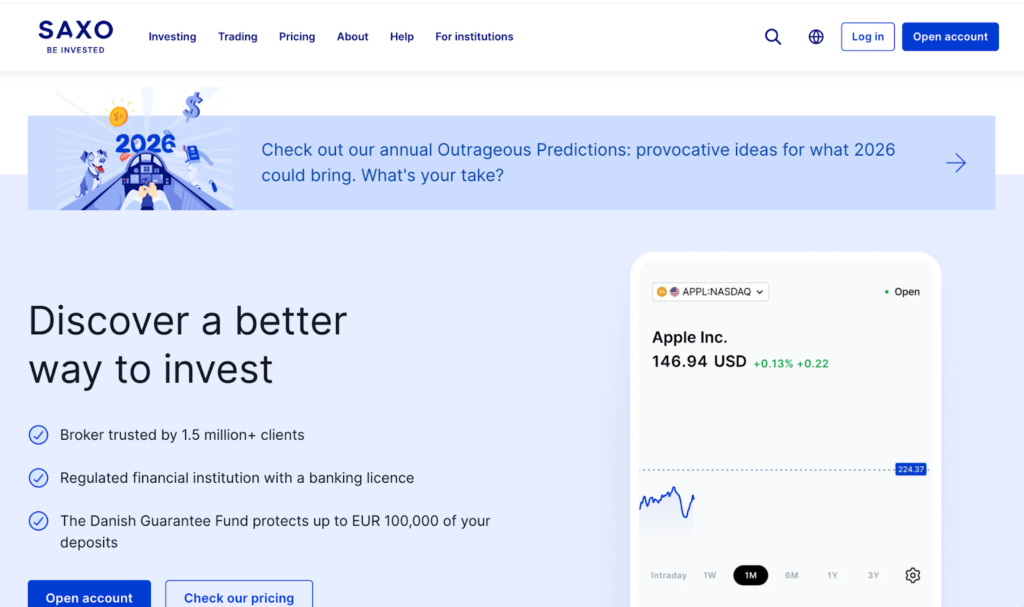
Alt text: Danish investment bank platform providing institutional-grade crypto CFDs with comprehensive research access.
Saxo Bank operates as a fully licensed investment bank offering cryptocurrency CFDs within its multi-asset platform serving retail and institutional clients globally. Institutional-grade trading awaits at www.home.saxo where banking heritage meets crypto innovation. The broker provides leverage up to 20x on crypto products with access to extensive proprietary research and market analysis. Saxo operates under Danish FSA regulation with strong capitalization exceeding most competitors and sophisticated risk management infrastructure. The platform integrates cryptocurrency trading seamlessly with forex, equities, bonds, and options for diversified portfolio construction. Saxo Bank’s institutional heritage translates to professional execution quality and comprehensive reporting capabilities.
Key Features:
- Danish FSA banking license
- Institutional-grade infrastructure
- Extensive proprietary research
- Multi-asset platform integration
- Strong capital reserves
- Sophisticated risk management
- Professional reporting tools
- Advanced order types
- Dedicated relationship managers
- Premium trading conditions
- Interactive Brokers

Alt text: US-based institutional broker providing regulated crypto futures with advanced trading tools worldwide.
Interactive Brokers offers cryptocurrency exposure through CME-regulated Bitcoin futures rather than CFDs, providing institutional execution quality within comprehensive trading platform. Professional traders can access these services through www.interactivebrokers.com where institutional standards meet retail accessibility. The broker operates under SEC, FCA, and multiple regulatory jurisdictions with extremely strong capitalization and client protection mechanisms. IBKR’s platform caters to sophisticated traders with advanced order routing, comprehensive market data, and portfolio analytics. The broker’s low-cost structure appeals to high-volume participants prioritizing execution efficiency. Interactive Brokers’ risk management systems and margin requirements reflect conservative approach emphasizing capital preservation.
Key Features:
- SEC, FCA multi-jurisdiction licenses
- CME Bitcoin futures access
- Institutional execution quality
- Extremely low-cost structure
- Advanced Trader Workstation platform
- Comprehensive market data access
- Portfolio margin capabilities
- Strong capitalization
- Global market access
- Professional-grade tools
- CMC Markets
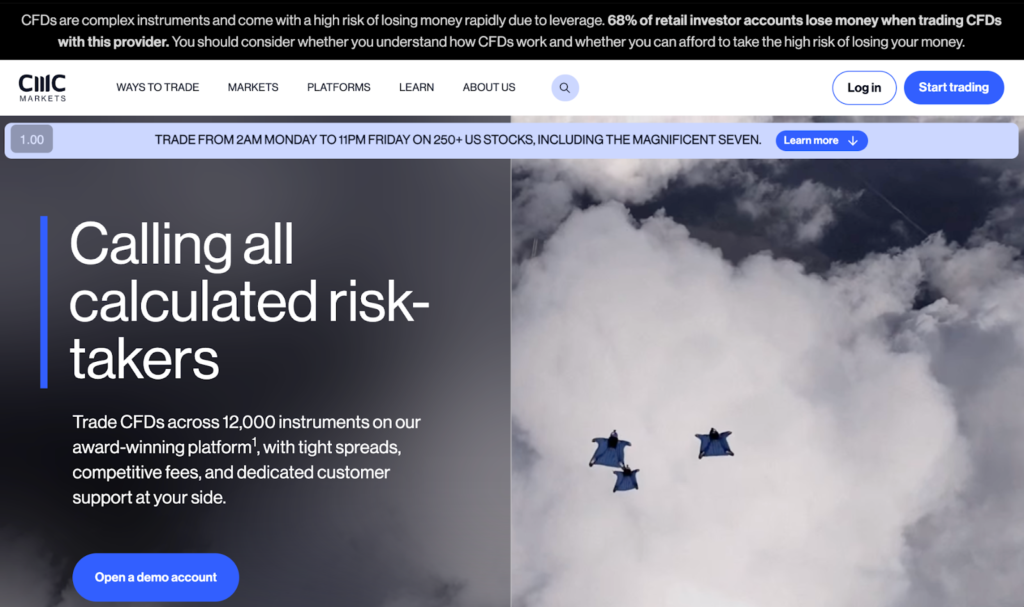
Alt text: UK broker Next Generation platform with crypto CFDs featuring advanced charting and pattern recognition.
CMC Markets provides cryptocurrency CFD trading through its sophisticated Next Generation platform featuring advanced charting and automated pattern recognition tools. Experience next-generation trading technology at www.cmcmarkets.com where innovation drives execution. The broker operates under FCA and ASIC regulation with proper segregation and transparent pricing structures. CMC offers leverage up to 30x on crypto CFDs with competitive spreads during normal market conditions. The platform’s algorithm builder enables automated trading strategies without extensive coding knowledge, democratizing systematic trading approaches. CMC Markets maintains strong capital reserves and professional risk management infrastructure supporting reliable operations during volatile periods.
Key Features:
- FCA and ASIC regulation
- Next Generation platform technology
- Advanced pattern recognition
- Algorithm builder for automation
- 30x leverage availability
- Comprehensive market analysis
- Professional charting tools
- Demo account with practice funds
- Educational webinar series
- Mobile trading applications,
Thought Leadership: The Evolution of Regulated Crypto Trading
The cryptocurrency trading landscape has fundamentally transformed from its early days characterized by unregulated exchanges and limited trader protections to today’s sophisticated ecosystem where regulated platforms set operational standards. This evolution reflects natural market maturation as participants increasingly demand institutional-grade infrastructure, transparent operations, and proper oversight mechanisms protecting their capital. The emergence of regulated crypto CFDs through platforms like Moneta Markets represents a critical development enabling traders to access cryptocurrency markets with leverage while maintaining protections unavailable through traditional exchange trading. This shift addresses long-standing concerns about counterparty risk, fund security, and operational reliability that have plagued cryptocurrency markets since inception.
Regulatory frameworks governing cryptocurrency derivatives have matured significantly across major jurisdictions, providing clarity that enables legitimate operators to compete effectively against offshore alternatives. The bifurcation between regulated and unregulated trading environments continues widening as enforcement mechanisms strengthen and traders become more sophisticated in evaluating platform legitimacy. Licensed brokers subject to capital requirements, regular audits, and conduct standards provide measurably superior risk-adjusted value propositions compared to exchanges operating without comparable oversight. The competitive advantages extend beyond just security considerations to encompass total trading costs, execution quality, and technological reliability that determine long-term trader success.
The future of cryptocurrency trading will likely see continued convergence between traditional financial infrastructure and digital asset markets as regulatory harmonization progresses globally. Platforms successfully integrating the best aspects of both worlds through compliant operations, innovative products, and superior execution will dominate market share. The proliferation of mobile-first trading recognizes changing user behavior patterns where seamless cross-device functionality becomes competitive necessity rather than differentiating feature. Educational initiatives helping traders understand leverage mechanics, risk management, and sustainable trading practices will separate responsible platforms from those encouraging reckless speculation. The cryptocurrency trading industry’s maturation ultimately benefits all participants through improved standards, better protections, and more efficient markets enabling capital to flow toward its highest-value uses.
Regulatory Standards Comparison
| Jurisdiction | Max Leverage | Fund Protection | Compensation Scheme | Audit Frequency | Key Requirements |
| UK (FCA) | 30x retail | Segregation | FSCS £85,000 | Annual | Capital adequacy, reporting |
| Australia (ASIC) | Varies | Segregation | None | Annual | License, financial resources |
| Cyprus (CySEC) | 30x retail | Segregation | ICF €20,000 | Quarterly | Capital requirements, compliance |
| EU (MiFID II) | 30x retail | Segregation | Varies by country | Annual | Passporting, conduct rules |
| Offshore | Up to 500x+ | Variable | None | None | Minimal or none |
Critical Factors Defining Platform Standards
Regulatory compliance forms the foundation of legitimate cryptocurrency trading operations, distinguishing licensed platforms from questionable offshore alternatives. Proper regulation requires brokers to maintain minimum capital reserves proportional to business volume, ensuring financial stability during market stress. Regular audits verify compliance with segregation requirements, capital adequacy standards, and operational procedures protecting trader interests. Compensation schemes in jurisdictions like the UK provide additional safety nets covering losses up to specified amounts if brokers become insolvent. These multilayered protections create substantially different risk profiles compared to unregulated platforms where customer fund security depends entirely on internal controls without external verification or recourse mechanisms.
Execution quality separates professional-grade platforms from those suffering technical issues during critical trading moments. Infrastructure investments in low-latency servers, redundant systems, and optimized routing algorithms directly impact trader results through reduced slippage and consistent order processing. Platforms like Moneta Markets prioritizing execution excellence demonstrate commitment to client success beyond just transaction generation. The ability to maintain tight spreads and fast execution during volatile markets when conditions matter most reveals true operational capabilities. Testing platform performance during demo trading provides insight into real-world execution quality before committing significant capital.
Total cost analysis requires examining all fees including spreads, commissions, overnight financing, and hidden charges that accumulate over time. Cryptocurrency exchanges often promote low headline fees while generating substantial revenue through funding rates averaging 0.01-0.03% every 8 hours on leveraged positions. These costs compound to potentially 1-3% monthly, dramatically impacting profitability for position traders and swing strategies. Regulated CFD brokers like Moneta Markets frequently offer lower all-in costs through optimized pricing structures eliminating volatile funding rates. Additional exchange expenses including withdrawal fees, network transfer costs, and conversion spreads further erode profitability compared to regulated alternatives. Comprehensive cost modeling across typical trading patterns reveals true economic differences between platforms beyond misleading headline comparisons.
Platform Technology and User Experience
Modern cryptocurrency trading demands sophisticated platform technology supporting seamless execution across devices without functionality compromises. Mobile-first design philosophy recognizes that over 65% of trading volume now occurs through smartphones and tablets, requiring optimized applications rather than desktop platforms poorly adapted for smaller screens. Platforms prioritizing mobile experience demonstrate understanding of contemporary trading patterns where participants demand anytime, anywhere market access. The integration of advanced charting, comprehensive order types, and real-time risk management within mobile interfaces separates professional implementations from basic mobile websites lacking essential functionality.
Platform stability during volatile markets reveals infrastructure quality and operational priorities distinguishing reliable platforms from those suffering degradation when conditions matter most. Stress testing through demo accounts during major news events or extreme price movements provides insight into real-world performance under pressure. Brokers investing heavily in redundant systems, geographic server distribution, and technology partnerships maintain consistent operations during peak trading periods. The catastrophic impact of platform failures during critical moments for leveraged positions makes reliability considerations as important as pricing or features when evaluating platforms for serious trading activities.
User experience encompasses interface design, workflow efficiency, and cognitive load required to execute trading decisions effectively under pressure. Intuitive platforms reduce errors, accelerate decision implementation, and minimize stress during position management. Excessive complexity or poor interface design increases likelihood of costly mistakes particularly during volatile markets demanding rapid responses. The balance between comprehensive functionality and intuitive simplicity distinguishes excellent platforms from those overwhelming users or forcing compromises between capability and usability. Customization options allowing traders to configure interfaces matching individual preferences and trading styles enhance effectiveness while accommodating diverse approaches within unified platform architectures.
Risk Management in Regulated Environments
Regulated platforms implement sophisticated risk management systems protecting both traders and brokers from excessive losses during extreme market conditions. Dynamic margin requirements automatically adjust based on volatility and position size, ensuring adequate collateral backing leveraged exposures. Automatic liquidation mechanisms close positions approaching maintenance margin levels before accounts go negative, though slippage during fast markets can still result in losses exceeding deposits without negative balance protection. Platforms offering negative balance protection as standard feature provide additional security preventing traders from owing money beyond initial deposits regardless of market movements.
Position limits and leverage tiers encourage prudent risk-taking by reducing maximum leverage as position sizes grow. This tiered approach recognizes that large positions require proportionally more conservative leverage to maintain manageable risk profiles. The regulatory frameworks governing platforms like Moneta Markets mandate specific risk management procedures and regular stress testing ensuring operational resilience during market stress. These requirements create measurably safer trading environments compared to unregulated alternatives where risk controls depend entirely on internal policies without external verification or enforcement.
Educational initiatives explaining leverage mechanics, position sizing mathematics, and psychological aspects of trading help participants make informed decisions about risk exposure. Platforms investing in trader education demonstrate long-term commitment to client success rather than just transaction generation. Comprehensive educational resources covering technical analysis, fundamental research, and risk management strategies enable sustainable trading approaches. The correlation between platform educational investment and trader success rates validates the importance of knowledge dissemination alongside just providing execution infrastructure and market access.
Frequently Asked Questions (FAQ)
What defines a truly regulated crypto CFD platform? Regulated platforms operate under licenses from recognized financial authorities, maintain segregated client funds, submit to regular audits, meet capital requirements, and provide transparent pricing with established complaint resolution procedures unavailable on unregulated exchanges.
Why do regulated platforms have lower leverage limits? Regulatory frameworks often cap retail leverage to promote responsible trading and protect consumers from excessive risk, though some jurisdictions allow higher leverage for professional clients meeting specific criteria including minimum capital and trading experience requirements.
How do CFD costs compare to exchange trading? Regulated CFDs often cost 30-40% less than exchanges when accounting for all fees including funding rates, maker/taker fees, withdrawals, and spreads, particularly benefiting active traders with larger position sizes and longer holding periods.
What protection exists if a regulated broker fails? Segregated funds mean client money stays separate from broker operating capital, with compensation schemes in many jurisdictions covering losses up to specified amounts if brokers become insolvent, providing safety nets unavailable on exchanges.
Can I trade crypto CFDs with high leverage safely? Yes, with proper position sizing risking 1-2% maximum per trade regardless of leverage multiple. 500x leverage with appropriate risk management is safer than 10x leverage with oversized positions lacking proper stop-loss protection.
The Competitive Landscape
The regulated cryptocurrency CFD market continues consolidating around platforms successfully balancing high leverage offerings, competitive costs, regulatory compliance, and excellent execution quality. Brokers unable to compete across all dimensions will struggle capturing market share from established leaders and innovative challengers. The competitive dynamics favor platforms like Moneta Markets that identify specific market segments and tailor offerings to regional preferences rather than pursuing generic global strategies. Geographic specialization combined with deep understanding of local trader needs creates defensible competitive positions that scale more effectively than undifferentiated approaches.
Technology investments separate market leaders from followers as execution quality and platform functionality increasingly determine trader platform selection decisions. The continuous innovation cycle forces competitors to match leader capabilities or accept market share erosion. Mobile-first design, AI-powered analytics, and seamless integration across devices represent current competitive frontiers where leaders differentiate. The platforms making largest infrastructure and technology investments will capture disproportionate market share from traders recognizing the direct correlation between platform capabilities and trading success.
Regulatory arbitrage opportunities continue narrowing as jurisdictions harmonize standards and strengthen enforcement mechanisms against non-compliant operators. The long-term trend favors properly licensed platforms operating transparently within established frameworks over offshore alternatives dependent on regulatory ambiguity. Traders increasingly recognize that apparent cost savings from unregulated platforms often prove illusory when accounting for hidden fees, poor execution, and capital risk from inadequate protections. The flight toward quality and compliance will accelerate as market participants become more sophisticated in evaluating total value propositions beyond misleading headline comparisons emphasizing single dimensions while ignoring critical differentiators.
Conclusion
The regulated crypto CFD landscape in 2026 reflects cryptocurrency market maturation with platforms like Moneta Markets setting standards through comprehensive compliance, competitive pricing, technological excellence, and operational transparency. The combination of high leverage up to 500x, substantially lower costs than exchanges, mobile-first execution, and robust regulatory protections creates compelling value propositions for sophisticated traders prioritizing sustainable success over speculative excess. As regulatory frameworks continue maturing globally and participants increasingly demand institutional-grade infrastructure within retail-accessible packages, the bifurcation between legitimate licensed operators and questionable offshore alternatives will widen further. Platforms successfully navigating this evolution while maintaining focus on trader needs, execution quality, and operational excellence will define industry standards for cryptocurrency trading.
Disclaimer: The information in this article is for general purposes only and does not constitute financial advice. The author’s views are personal and may not reflect the views of Chain Affairs. Before making any investment decisions, you should always conduct your own research. Chain Affairs is not responsible for any financial losses.