
|
Getting your Trinity Audio player ready...
|
- Since late 2021, gold has seen a 189% increase, while Bitcoin has struggled to maintain its dollar value and lost 66% of its value relative to gold.
- New Russian laws recognize crypto as property but allow the state to seize assets and wallets during criminal investigations.
- Bitcoin continues to trade like a risk asset rather than a safe haven, causing experts to question its long-term “digital gold” status.
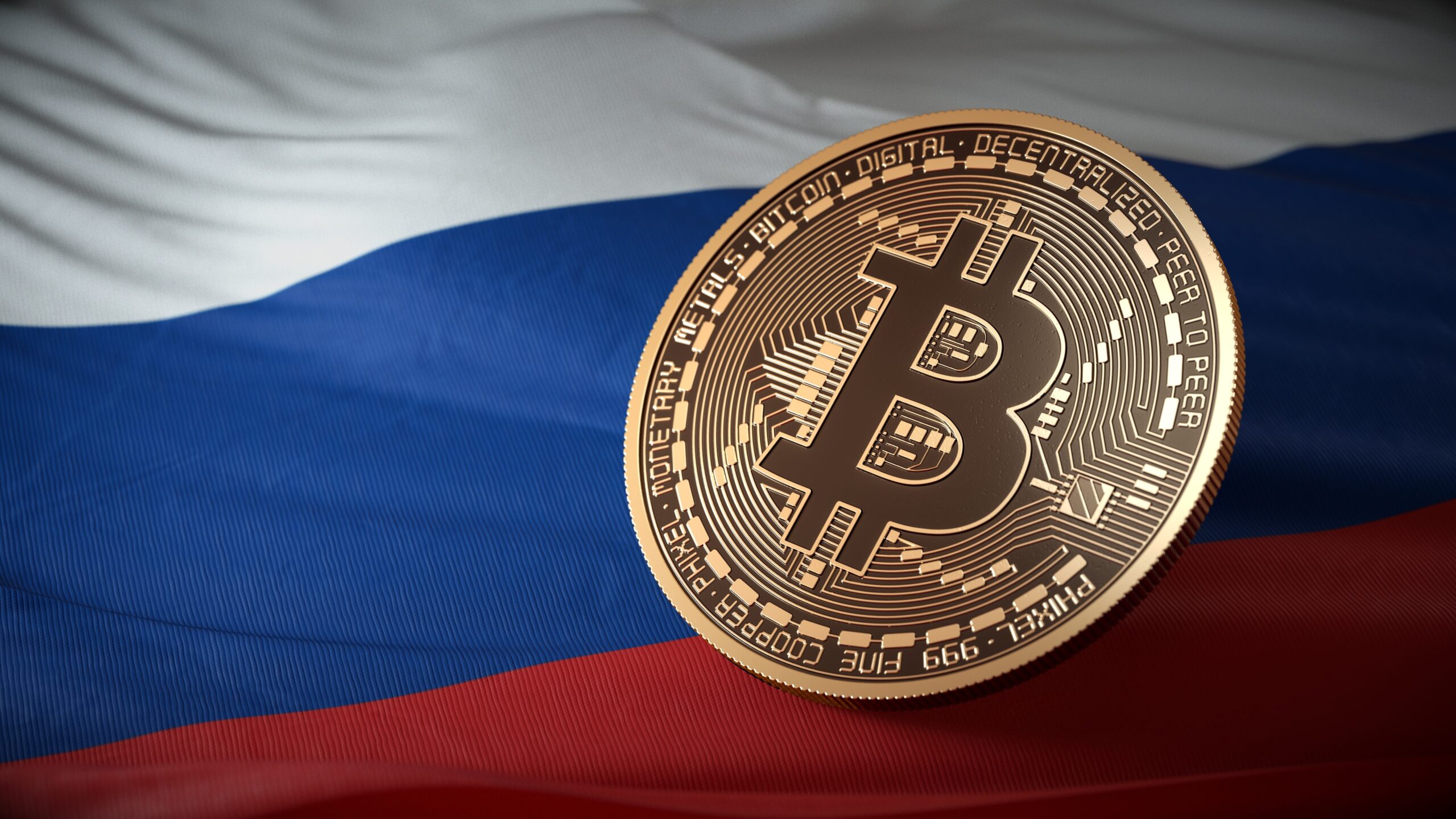
The long-standing debate over whether Bitcoin serves as “digital gold” is facing its toughest trial yet. As the cryptocurrency continues to grapple with intense market swings, critics are highlighting a widening performance gap between the volatile digital asset and the steady climb of physical bullion. This divergence comes at a precarious time, as major global powers like Russia move to tighten their grip on the decentralized economy.
The Store-of-Value Stress Test
For years, Bitcoin proponents argued that its fixed supply would make it the ultimate hedge against inflation. However, recent data suggests that during periods of extreme macroeconomic stress, investors are retreating to the familiar safety of gold.
Financial commentator Peter Schiff recently underscored this trend, noting that when measured against gold rather than the U.S. dollar, Bitcoin’s purchasing power has eroded significantly over the last four years. While gold has reached new heights—surpassing $5,100—Bitcoin has struggled to reclaim its previous peaks. A hypothetical $10,000 investment in gold in late 2021 would have more than doubled today, while the same amount put into Bitcoin would actually show a slight loss. This shift suggests that while Bitcoin excels in high-liquidity “risk-on” environments, it still struggles to compete with gold’s multi-century track record during a flight to safety.
Russia’s Legal Crackdown on Digital Assets
Adding to the pressure on the crypto market is a shifting regulatory landscape, most notably in Russia. President Vladimir Putin recently signed legislation that officially categorizes cryptocurrency as intangible property. While this provides a legal framework for the asset class, it comes with a sting: Russian courts now have the explicit power to seize or confiscate digital assets during criminal proceedings.
Under this new law, prosecutors must provide specific wallet addresses and asset types to facilitate seizures. This move is part of a broader Kremlin strategy to curb the use of foreign exchanges and redirect trading volume toward domestic, regulated platforms. The government estimates that Russian citizens trade roughly $650 million in crypto daily, a figure they are eager to bring under state oversight.
Also Read: Bitcoin Valuation Reset: Why the $63K Level Could Be the Ultimate Buy Zone
Privacy and the “Digital Gold” Identity Crisis
The tension between decentralization and state control is further highlighted by the ongoing legal troubles of Telegram founder Pavel Durov. With Durov facing criminal investigations in Russia related to “aiding terrorism,” the clash between privacy-centric technology and national security is reaching a breaking point.
For Bitcoin, the path forward is complex. While its 17-year history is marked by explosive cyclical growth that far outpaces traditional stocks or metals, its “store-of-value” narrative is under scrutiny. As institutional players enter the space, many expected Bitcoin to mirror gold’s stability. Instead, it remains tethered to the performance of tech stocks and high-risk assets, leaving the title of “Digital Gold” open for debate.
Disclaimer: The information in this article is for general purposes only and does not constitute financial advice. The author’s views are personal and may not reflect the views of Chain Affairs. Before making any investment decisions, you should always conduct your own research. Chain Affairs is not responsible for any financial losses.

I’m a crypto enthusiast with a background in finance. I’m fascinated by the potential of crypto to disrupt traditional financial systems. I’m always on the lookout for new and innovative projects in the space. I believe that crypto has the potential to create a more equitable and inclusive financial system.