|
Getting your Trinity Audio player ready...
|
- The U.S. sanctioned new crypto wallets tied to Iran, freezing $344M in USDT.
- Stablecoins are increasingly used—but also tracked—in sanctions evasion networks.
- Rising tensions in the Strait of Hormuz may introduce new crypto-related risks.
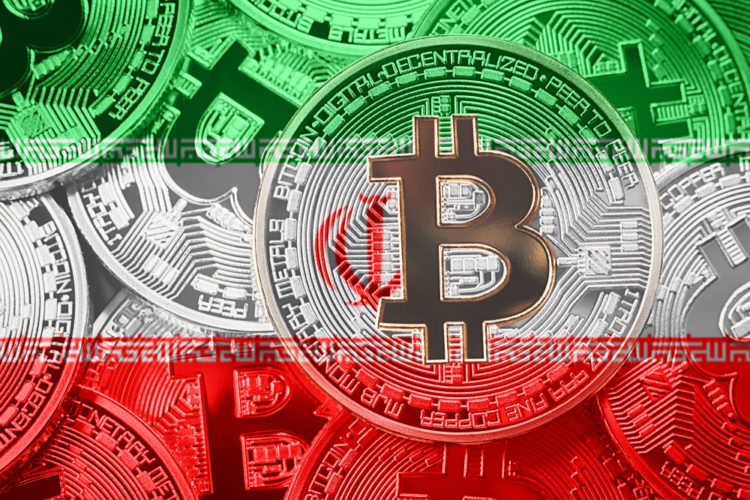
The U.S. government has intensified its crackdown on Iran’s financial networks, expanding sanctions to include cryptocurrency infrastructure linked to the Central Bank of Iran. In a move announced on April 24, the Treasury’s Office of Foreign Assets Control (OFAC) added new crypto wallet addresses to its sanctions list—just days after a coordinated enforcement action froze $344 million in USDT.
The development highlights a growing intersection between geopolitics, maritime tensions, and digital assets, particularly as activity escalates around the Strait of Hormuz.
Rising Tensions and a New Crypto Use Case
The sanctions update comes amid mounting instability in the Strait of Hormuz, a critical global shipping route. Iranian authorities recently claimed they had begun collecting tolls from commercial vessels passing through the waterway—a controversial move that has disrupted shipping operations.
Reports suggest the situation has also attracted fraudsters. Some shipping firms attempting to comply with the new toll regime were allegedly scammed by imposters posing as Iranian officials. In several cases, vessels that failed to pay legitimate authorities later faced harassment from forces tied to the Islamic Revolutionary Guard Corps.
With Iran largely cut off from traditional financial systems like SWIFT, analysts believe stablecoins such as Tether could be used to facilitate these payments. If confirmed, it would mark a rare example of a state-linked entity leveraging crypto for maritime toll collection.
$344M Freeze Signals Public-Private Coordination
The updated sanctions list directly aligns with a recent enforcement effort involving Tether and U.S. authorities. The operation resulted in the freezing of $344 million in USDT tied to wallets associated with Iranian networks.
Two specific addresses—now officially sanctioned—were frozen on April 23, reflecting a coordinated response between regulators and private sector actors. According to officials, the funds were linked to transactions involving Iranian exchanges and intermediary wallets connected to the central bank.
Tether CEO Paolo Ardoino emphasized that the company actively works with law enforcement to block illicit activity, reinforcing the message that stablecoins are not immune to oversight.
Inside Iran’s Crypto Laundering Network
Blockchain analysis reveals a complex system used by Iranian entities to move funds. Networks tied to the central bank have historically relied on brokers to convert fiat into stablecoins, often routing transactions through multiple wallets, DeFi platforms, and cross-chain bridges.
Investigations have also linked these networks to figures such as Alireza Derakhshan, who allegedly facilitated over $100 million in crypto transactions tied to oil revenues.
This layered approach allows funds to circulate through decentralized ecosystems before re-entering Iran’s domestic crypto market, often benefiting groups aligned with sanctioned organizations.
The latest actions send a clear signal: large-scale sanctions evasion via crypto is becoming increasingly difficult. The transparency of blockchain technology, combined with tighter collaboration between regulators and firms like Tether, is making it easier to trace and freeze illicit funds.
However, the evolving situation in the Strait of Hormuz introduces new compliance risks—particularly for global shipping companies navigating both geopolitical tensions and emerging crypto payment demands.
Also Read: Oil Hits $105 as Trump’s Iran Warning Shakes Global Markets
The OFAC designation and Tether’s $344 million freeze underscore a broader shift in how financial enforcement is conducted in the digital age. While cryptocurrencies once offered perceived anonymity, growing oversight and blockchain transparency are reshaping that narrative.
As tensions in key global trade routes rise, the role of digital assets in geopolitical strategy—and enforcement—will remain under close scrutiny.
Disclaimer: The information in this article is for general purposes only and does not constitute financial advice. The author’s views are personal and may not reflect the views of Chain Affairs. Before making any investment decisions, you should always conduct your own research. Chain Affairs is not responsible for any financial losses.

I’m your translator between the financial Old World and the new frontier of crypto. After a career demystifying economics and markets, I enjoy elucidating crypto – from investment risks to earth-shaking potential. Let’s explore!