

|
Getting your Trinity Audio player ready...
|
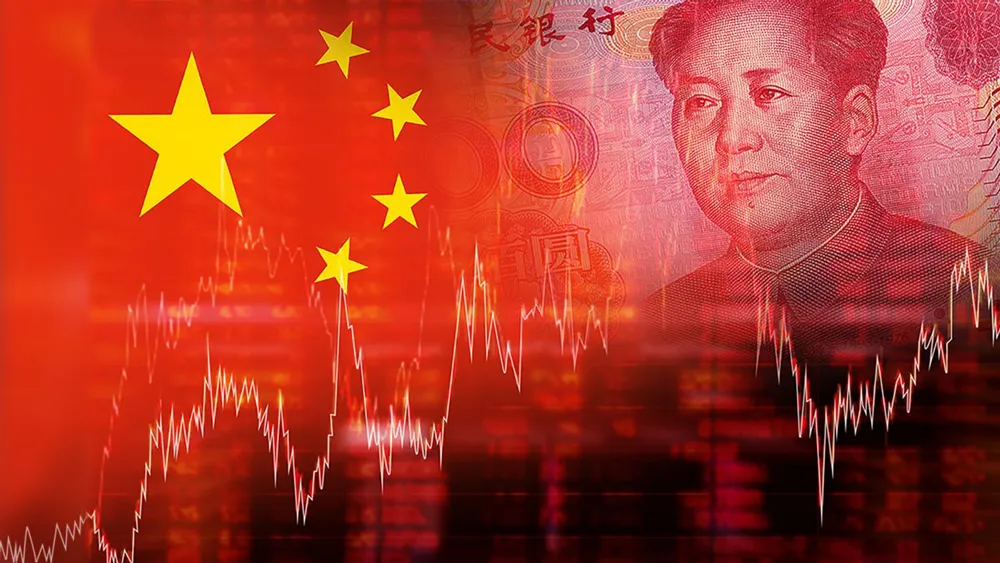
China’s CSI 300 index entered bear-market territory on Thursday, sitting 20% below its June peak as the sell-off in mainland stocks ran into a tenth consecutive week. The benchmark tracks 300 of the biggest companies listed in Shanghai and Shenzhen. According to LSEG data, it is down about 2.6% this week and traded more than 1% lower on the day.
Overcapacity Is Still Eating Into Profits
Jordan Cvetanovski, chairman and CIO at Pella Funds, argues the market is stuck on structural problems. In his view, China has yet to deal with years of overbuilt capacity and heavy investment. He told CNBC that even firms in globally competitive industries feel the strain. He still sees selective opportunities in batteries, though.
The numbers back up the pressure on companies. Fierce price competition has squeezed margins, to the point that the government has stepped in. September delivered the weakest industrial profit growth of the year. Second-quarter economic growth was the slowest in more than three years, held back by a long property slump and soft consumer spending.
Retail Investors Can Turn a Dip Into a Rout
Shaun Rein, managing director at China Market Research Group, expects more selling. He points to geopolitical uncertainty, worries about an AI bubble and fading consumer confidence.
China’s investor base may make things worse. HSBC data shows individual investors drive roughly 90% of daily trading in China. In the U.S., the NYSE sees retail account for about 20% to 25% of volume. Rein says retail investors tend to bolt faster when conditions get shaky. Many are focused on protecting savings and are shifting toward safer options like time deposits as property weakens and the job market stays sluggish.
Also Read: America’s $10 Trillion AI Build-Out Is Fraying as Debt Fears Hit Data Centers
Is the Sell-Off Overdone?
Rein also thinks the drop has gone too far. He cites resilient exports and early signs of recovering home prices in China’s largest cities. “It’s a crisis of confidence right now, not a crisis in the economy,” he said, and he predicts a strong rebound in Chinese equities in 2027.
Daniel Gerard, senior multi-asset strategist at State Street Markets, is also upbeat. He says China’s growing strength in artificial intelligence could pull global investors back before corporate earnings recover.
A 20% fall from the high is the textbook definition of a bear market, and ten straight weekly declines show how little buying support there is. The bulls and bears agree on one thing: sentiment is the main driver for now. Whether that sentiment turns depends on profits, property and consumer demand. Investors outside China will be watching those closely.
Disclaimer: The information in this article is for general purposes only and does not constitute financial advice. The author’s views are personal and may not reflect the views of Chain Affairs. Before making any investment decisions, you should always conduct your own research. Chain Affairs is not responsible for any financial losses.