|
Getting your Trinity Audio player ready...
|
- USDC on-chain transaction volume surged 263% year over year to $21.5 trillion.
- Circle’s profit declined due to rising IPO-related compensation and infrastructure spending.
- The company is expanding into AI-focused blockchain infrastructure through its Arc network.
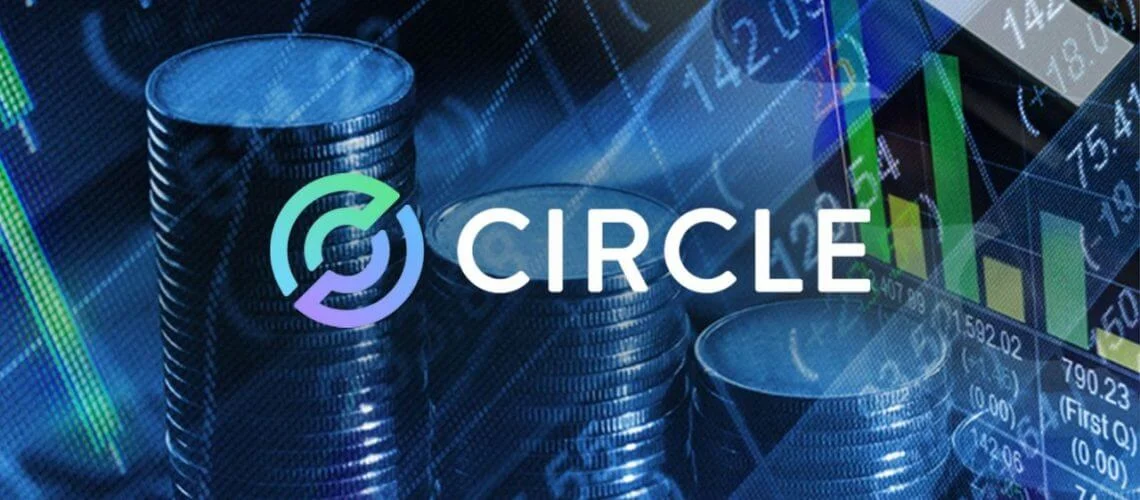
Circle Internet Group posted explosive growth in USDC activity during the first quarter of 2026, even as its reported profit declined amid rising investment costs and post-IPO expenses.
The company said USDC on-chain transaction volume climbed 263% year over year to $21.5 trillion, underscoring growing demand for stablecoins in payments, treasury management, and AI-driven financial applications. Despite the surge in activity, net income from continuing operations slipped 15% to $55 million.
The mixed results highlight a broader shift underway in the stablecoin market, where firms are increasingly prioritizing infrastructure expansion and ecosystem growth over short-term profitability.
USDC Activity Reaches Record High
USDC was one of the strongest-performing stablecoins in terms of blockchain usage during the quarter. According to Visa Onchain Analytics, the dollar-backed token accounted for 63% of stablecoin transaction volume during Q1.
Circle also reported that USDC held on partner platforms rose 254% from a year earlier to $13.7 billion. Meanwhile, wallets containing more than $10 worth of USDC increased 47% to 7.2 million.
The growth suggests that USDC is gaining traction beyond crypto trading, particularly in business payments and programmable finance.
Corporate treasury platform Kyriba integrated USDC into its workflows during the quarter, while prediction market platform Polymarket continued expanding its use of the stablecoin for settlement and collateral.
Profit Pressured by Expansion Costs
While revenue rose 20% to $694 million, Circle’s earnings were weighed down by a sharp increase in operating expenses.
Stock-based compensation surged to $51.8 million following the company’s IPO-related equity awards, up from $12.7 million a year earlier. Total operating expenses climbed 76% to $242 million as Circle invested heavily in infrastructure, product development, and distribution.
However, adjusted EBITDA — a metric excluding stock compensation and one-time costs — increased 24% to $151 million, indicating the company’s core operations remained strong.
Reserve income, which remains a major revenue driver for Circle, also rose 17% to $653 million.
Arc Network Signals Bigger Blockchain Ambitions
Circle also revealed a $222 million ARC token presale tied to its upcoming Arc network, which was valued at $3 billion on a fully diluted basis.
The company’s new Layer-1 strategy appears focused on building blockchain infrastructure tailored for AI-powered financial systems. Arc’s ecosystem includes tools such as Agent Wallets, an Agent Marketplace, and payment products designed for autonomous software agents using USDC across multiple chains.
CEO Jeremy Allaire said the company sees growing convergence between artificial intelligence platforms and digital financial infrastructure.
Despite Circle’s rapid growth, Tether remains the largest stablecoin issuer by supply, with roughly $189 billion USDT in circulation.
Still, research from Mizuho Financial Group showed USDC surpassed USDT in adjusted on-chain transaction volume during Q1 after filtering out arbitrage and wash trading activity.
Circle maintained its long-term outlook for approximately 40% compound annual USDC growth, signaling confidence that stablecoin adoption will continue accelerating through 2026.
Also Read: USDC Crisis on Aave: Circle Proposes Shock Rate Hike to Restore Liquidity
Circle’s latest results show a company aggressively investing in the next phase of digital finance. Although rising expenses reduced short-term profits, surging USDC activity and expanding enterprise adoption suggest the firm is positioning itself at the center of the growing stablecoin and AI payments economy.
As competition with Tether intensifies, Circle’s ability to convert transaction growth into sustainable profitability may define the next chapter of the stablecoin market.
Disclaimer: The information in this article is for general purposes only and does not constitute financial advice. The author’s views are personal and may not reflect the views of Chain Affairs. Before making any investment decisions, you should always conduct your own research. Chain Affairs is not responsible for any financial losses.

I’m your translator between the financial Old World and the new frontier of crypto. After a career demystifying economics and markets, I enjoy elucidating crypto – from investment risks to earth-shaking potential. Let’s explore!