
|
Getting your Trinity Audio player ready...
|
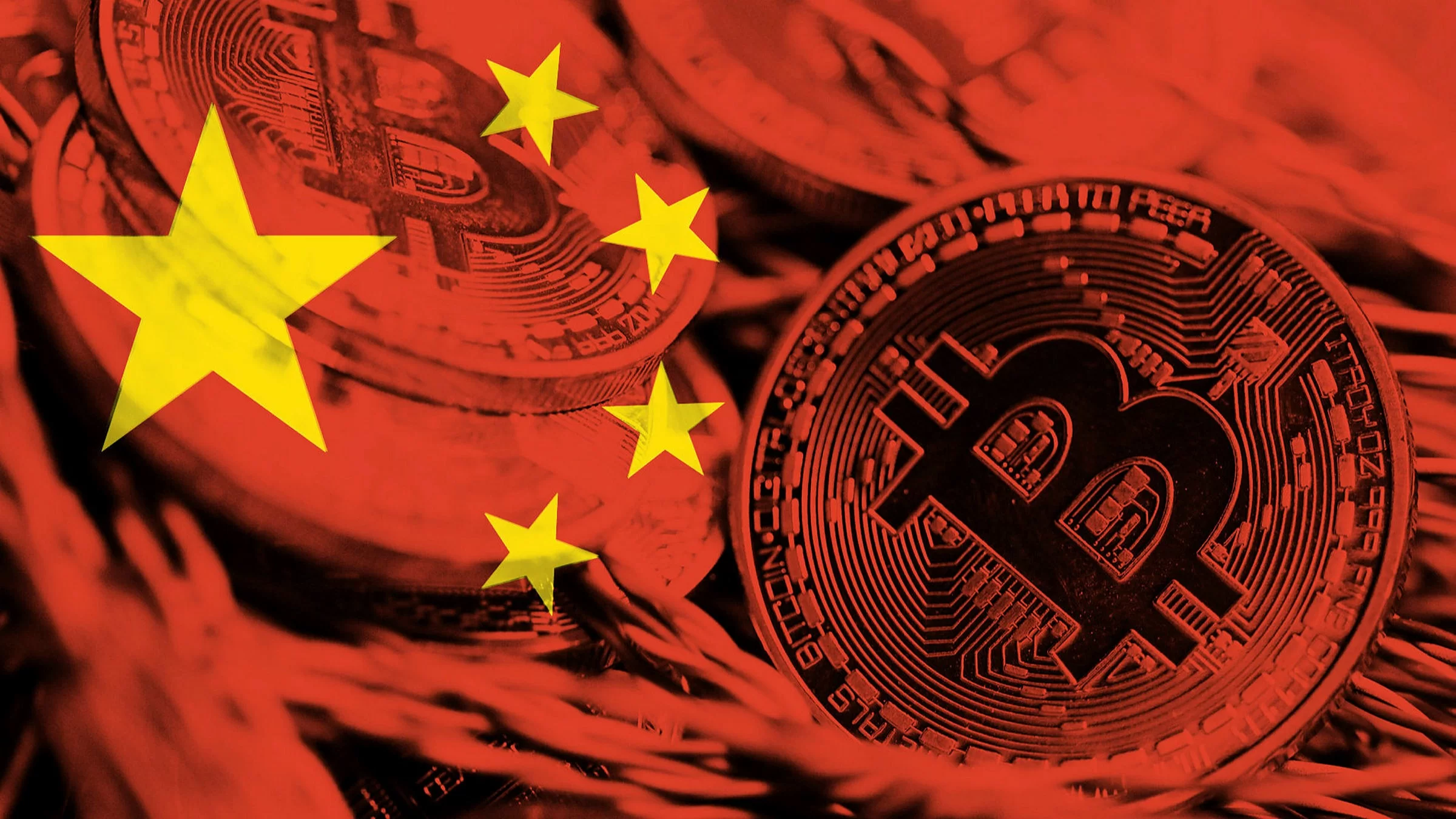
Despite mainland China’s stringent ban on cryptocurrency trading and mining, local governments are quietly selling off seized digital assets to bolster strained public finances, according to a recent Reuters investigation.
Citing transaction and court records, Reuters reports that local Chinese authorities have turned to private companies to liquidate crypto assets confiscated during criminal proceedings. These sales, often conducted through offshore markets, are reportedly helping governments convert illicit gains into much-needed fiscal revenue amid a slowing economy.
The practice, while technically legal under current Chinese laws, operates in a legal gray zone. While individuals remain prohibited from trading crypto, companies assisting the government in such sales face no such restriction. Legal experts have raised concerns that this could foster opaque processes and potential corruption due to the lack of oversight.
One standout example is Shenzhen-based Jiafenxiang, a tech firm that has facilitated over $408 million (3 billion yuan) in crypto transactions since 2018 for various municipalities in Jiangsu province. According to documents cited in the report, the U.S. dollar proceeds from these sales are converted into yuan and funneled into local finance bureaus via state-owned banks.
Despite the ban, China reportedly holds 190,000 BTC, positioning it as the second-largest sovereign holder of Bitcoin, just behind the United States, which owns 198,012 BTC, according to BitcoinTreasuries.net.
Also Read: China Slaps 125% Tariffs on U.S. Goods as Trump Raises Duties to Record 145%
Meanwhile, legal debate around crypto asset management continues to heat up. In February, top judicial authorities, including the Supreme People’s Court, convened in Beijing to discuss the legal implications of crypto in criminal cases. The People’s Bank of China (PBOC) also reaffirmed its commitment to regulatory oversight in its December financial stability report, pushing for global coordination on crypto rules.
As Hong Kong actively courts crypto businesses under its regulated licensing regime, mainland China’s contradictory approach — banning crypto for the public while profiting from it institutionally — highlights the country’s evolving yet complex stance on digital assets.
Disclaimer: The information in this article is for general purposes only and does not constitute financial advice. The author’s views are personal and may not reflect the views of Chain Affairs. Before making any investment decisions, you should always conduct your own research. Chain Affairs is not responsible for any financial losses.

I’m a crypto enthusiast with a background in finance. I’m fascinated by the potential of crypto to disrupt traditional financial systems. I’m always on the lookout for new and innovative projects in the space. I believe that crypto has the potential to create a more equitable and inclusive financial system.