
|
Getting your Trinity Audio player ready...
|
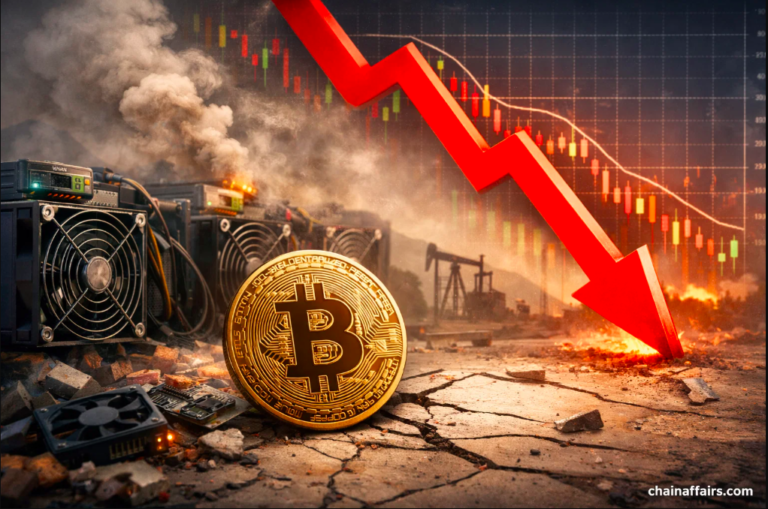
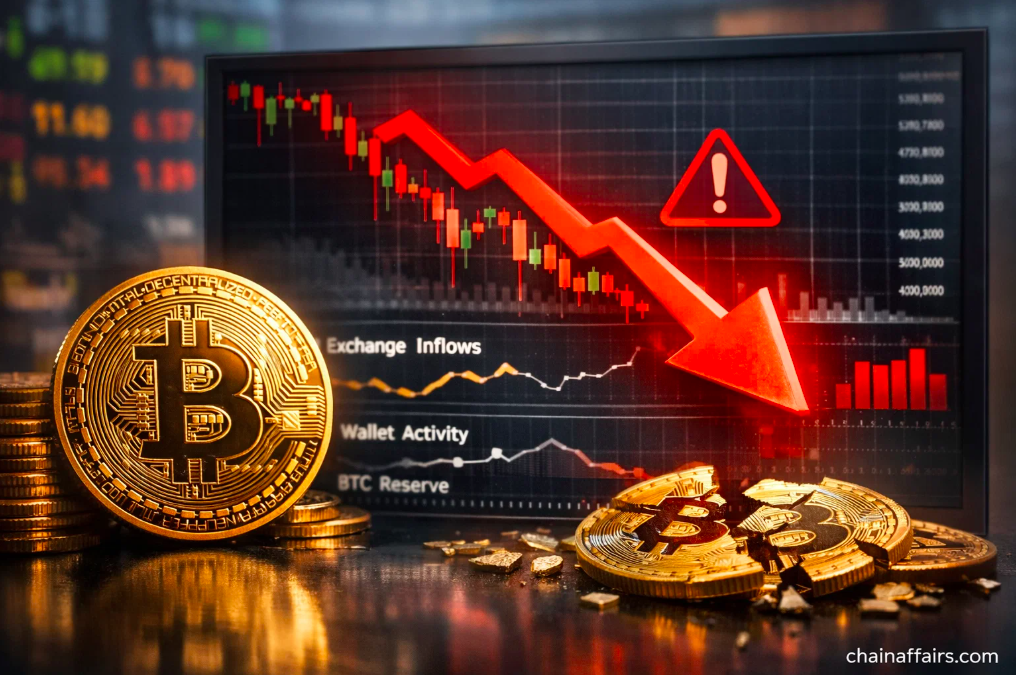
Bitcoin’s failure to hold above $80,000 after its recent rally might look like a warning sign, but CoinMarketCap Head of Research Alice Liu doesn’t see it that way. Speaking with Cointelegraph on Trade Secrets, Liu said she believes the market has likely already found its floor — pointing back to June’s drop to roughly $59,000, a level about 53% below Bitcoin’s October all-time high near $126,100.
Since then, Bitcoin has clawed back meaningful ground. Prices touched $81,600 in early September, marking a roughly 28% rally from mid-August lows. That move was enough to push CoinMarketCap’s Crypto Fear & Greed Index back into “Greed” territory, a notable shift after months of the index sitting in “Fear.”
Why Liu Is Watching Hyperliquid Closely
While Bitcoin dominates headlines, Liu argues some of the more compelling action right now is happening elsewhere — specifically in tokenized real-world assets and perpetual futures markets. She’s been tracking RWA perps, contracts tied to tokenized stocks, ETFs, and indices, and singles out Hyperliquid as a project worth watching on two separate fronts: network activity and token price.
Liu noted that trading volume in tokenized perps has started shifting toward centralized exchanges. Binance’s entry into the RWA perps space has pulled significant volume and liquidity away from platforms like Hyperliquid, with Binance now controlling roughly half the market by her estimate. Still, she said Hyperliquid remains the clear leader among decentralized exchanges, continuing to aggregate liquidity and serve as a hub for product development in that corner of the market.
On price, Liu pointed to a different driver altogether: buybacks. Hyperliquid’s token recently hit an all-time high around $86, and Liu credits much of that momentum to the project’s aggressive buyback program, funded by more than $400 million in revenue spent repurchasing its own tokens. With only a small portion of Hyperliquid’s total token supply currently unlocked, she expects future unlocks to happen gradually rather than all at once — a factor that could help cushion price pressure.
That said, Liu flagged an important dependency: Hyperliquid’s buybacks rely on sustained network revenue. Whether activity stays strong enough to keep funding them is, in her view, one of the key things to track going forward.
Also Read: Vitalik Buterin Proposes New Way to Slash Costs for Privacy and Quantum-Safe Crypto on Ethereum
A More Cautious Take on AI Tokens
Liu’s optimism doesn’t extend evenly across the market. She’s notably more skeptical of the AI-crypto narrative, especially tokens that surged during the AI hype cycle of late 2023 without much underlying utility or infrastructure. She said these projects now face direct competition from actual AI stocks and established tech companies — competition she believes many of them aren’t equipped to win. In her view, purely speculative AI tokens with no real infrastructure behind them could eventually go to zero.
She was quicker to distinguish those from legitimate AI infrastructure projects, which she described as solid and likely to retain real utility — though she still expects even the strongest of them to trade at a discount compared to where hype alone might otherwise push them.
A Measured View on Bitcoin’s Long-Term Ceiling
Zooming back out to Bitcoin, Liu believes the broader crypto market remains underappreciated as a place to store value given the current economic climate. But when it comes to long-term price targets, she’s noticeably more conservative than voices like Coinbase CEO Brian Armstrong and ARK Invest’s Cathie Wood, both of whom have floated the idea of Bitcoin reaching $1 million by 2030.
Liu’s own estimate lands closer to $500,000 by that timeframe. She didn’t rule out the possibility of Bitcoin eventually hitting $1 million, but said she’d rather stick with a more grounded number for now.
Disclaimer: The information in this article is for general purposes only and does not constitute financial advice. The author’s views are personal and may not reflect the views of Chain Affairs. Before making any investment decisions, you should always conduct your own research. Chain Affairs is not responsible for any financial losses