|
Getting your Trinity Audio player ready...
|
- Zcash’s Ironwood verification aims to eliminate undetectable counterfeiting risks while preserving user privacy.
- Ethereum’s Glamsterdam upgrade could dramatically increase transaction capacity through protocol improvements.
- Both networks still face adoption and liquidity challenges despite growing technical optimism.
The second half of 2026 is shaping up to be a defining period for blockchain infrastructure. Two major networks—Zcash and Ethereum—are pursuing significant protocol upgrades aimed at addressing long-standing technical challenges while restoring investor confidence.
Zcash is moving to formally verify its newly launched Ironwood shielded pool after a counterfeiting bug rattled the community last month. Meanwhile, Ethereum is preparing for its largest protocol upgrade since the Merge, with the Glamsterdam update entering its final testing phase.
Together, these developments underscore a broader industry focus on security, scalability, and long-term network resilience.
Zcash Bets on Formal Verification to Restore Trust
Zcash has confirmed that its new Ironwood shielded pool is undergoing formal verification, a rigorous mathematical process designed to prove the protocol behaves exactly as intended. The goal is to eliminate the possibility of hidden counterfeiting bugs without weakening the network’s privacy guarantees.
The move follows concerns surrounding Zcash’s Orchard pool, where developers identified a vulnerability that could theoretically have allowed unauthorized ZEC creation. Because of Zcash’s privacy architecture, the network could not definitively determine whether the flaw had ever been exploited.
The uncertainty sparked intense debate across the crypto industry. High-profile investors, including Arthur Hayes, exited their ZEC positions, questioning the network’s inability to prove its token supply remained intact. The resulting sell-off sent ZEC tumbling roughly 60% in just a few days.
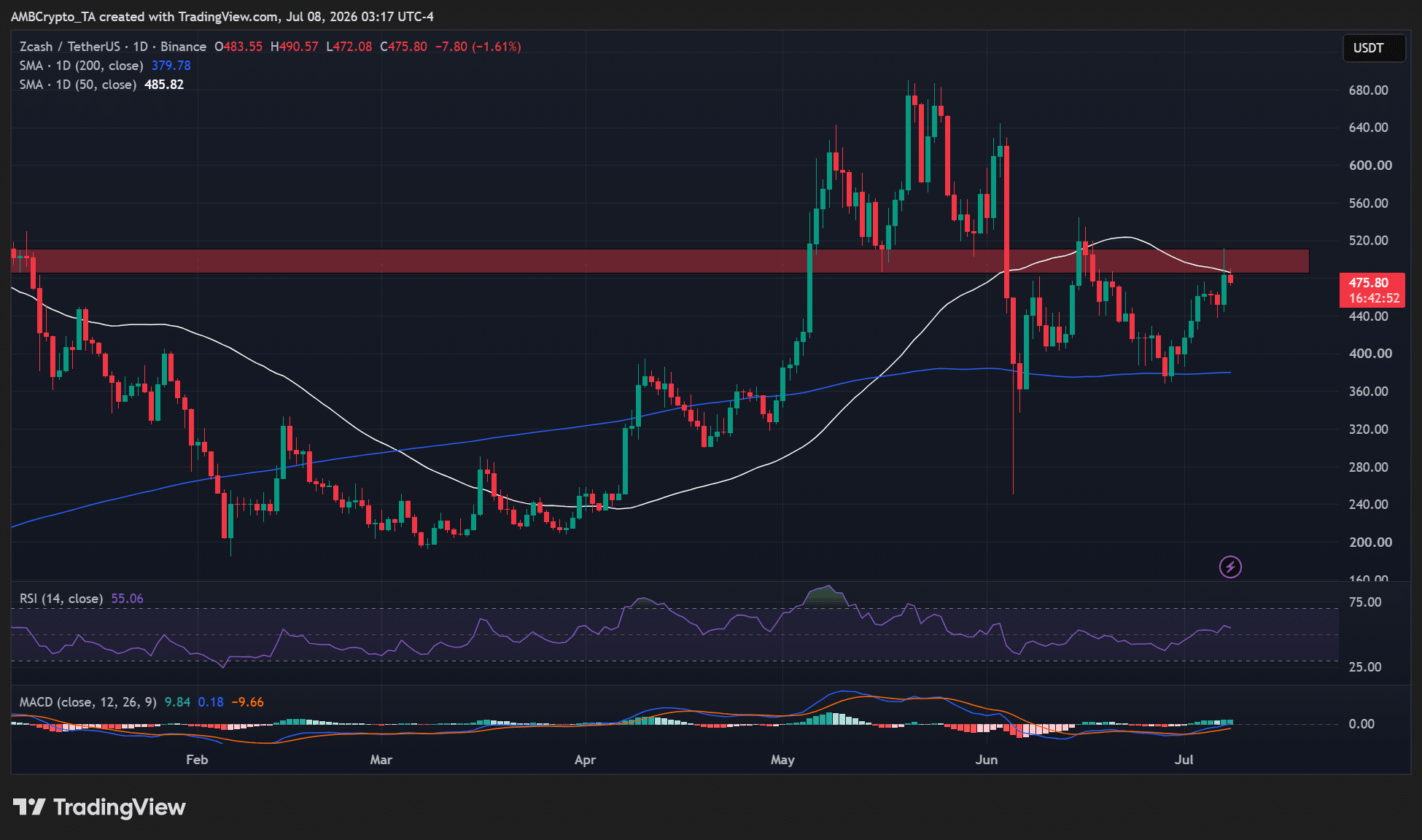
Ironwood was introduced as a response, combining shielded transactions with an auditable mechanism capable of verifying total supply while preserving user privacy.
Privacy advocate and Helius Labs founder Mertz Mumtaz described the verification effort as a major milestone, arguing it could make undetectable counterfeit bugs mathematically impossible if successfully completed.
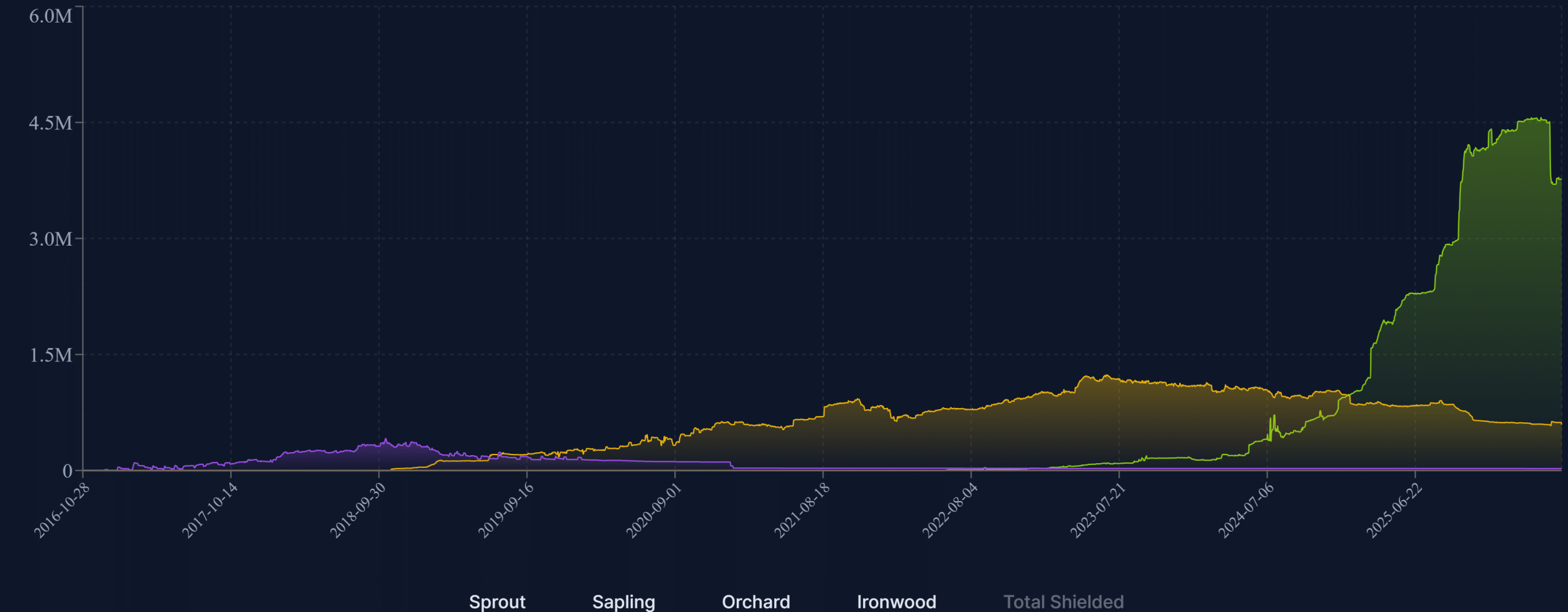
Despite renewed optimism, adoption remains limited. Orchard still holds nearly all shielded liquidity, while the Ironwood pool has yet to attract meaningful deposits.
Ethereum’s Glamsterdam Upgrade Targets Scalability
While Zcash focuses on security, Ethereum is concentrating on network performance.
The upcoming Glamsterdam upgrade, expected during the second half of 2026, introduces parallel transaction execution and plans to gradually increase Ethereum’s gas limit from 60 million toward 200 million. The changes are intended to significantly improve transaction throughput and reduce congestion during periods of heavy network activity.
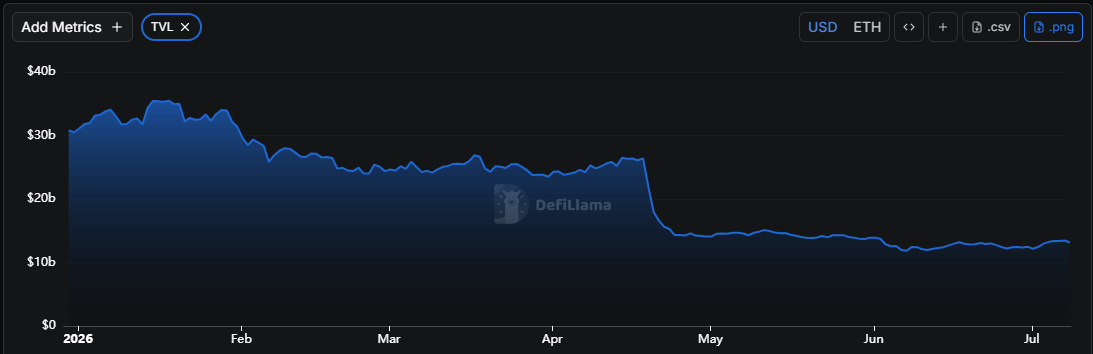
The timing is notable. Ethereum continues recovering from multiple DeFi exploits earlier this year that contributed to declining total value locked across major protocols, including Aave.
Higher transaction capacity could strengthen Ethereum’s infrastructure as decentralized finance activity gradually returns.
Liquidity Remains Ethereum’s Biggest Challenge
Despite technical progress, Ethereum still faces meaningful headwinds.
Stablecoin liquidity—the backbone of most DeFi activity—has weakened in recent months. Billions of dollars have left the stablecoin market, while Tether recently burned billions of USDT on Ethereum, reducing liquidity available across the ecosystem. At the same time, TRON now hosts a larger USDT supply than Ethereum.
Institutional activity also paints a cautious picture. A recent transfer of 63,000 ETH to Coinbase suggests some large holders may be positioning for potential volatility rather than a sustained rally.
Although ETH has posted double-digit gains to begin the third quarter, analysts note that stronger network fundamentals alone may not be enough if liquidity continues to decline.
Both Zcash and Ethereum are pursuing infrastructure improvements that address fundamental concerns rather than short-term market trends.
For Zcash, successful formal verification of Ironwood could rebuild confidence after weeks of uncertainty surrounding its token supply. For Ethereum, Glamsterdam represents an opportunity to improve scalability just as the network attempts to revive DeFi activity.
Also Read: Zcash Price Warning: 3 Key Signals Suggest ZEC Could Fall Below $400
Price action has already reflected cautious optimism. ZEC climbed after the verification announcement, while ETH has started Q3 with renewed momentum. However, the long-term success of both assets will likely depend not only on successful upgrades but also on user adoption, liquidity growth, and broader market conditions.
Disclaimer: The information in this article is for general purposes only and does not constitute financial advice. The author’s views are personal and may not reflect the views of Chain Affairs. Before making any investment decisions, you should always conduct your own research. Chain Affairs is not responsible for any financial losses.

I’m a crypto enthusiast with a background in finance. I’m fascinated by the potential of crypto to disrupt traditional financial systems. I’m always on the lookout for new and innovative projects in the space. I believe that crypto has the potential to create a more equitable and inclusive financial system.