|
Getting your Trinity Audio player ready...
|
- USDT is returning to Bitcoin through the RGB protocol after more than a decade.
- RGB and Lightning aim to deliver faster, lower-cost, and more private stablecoin transactions.
- The launch could strengthen Bitcoin’s role in the growing stablecoin ecosystem.
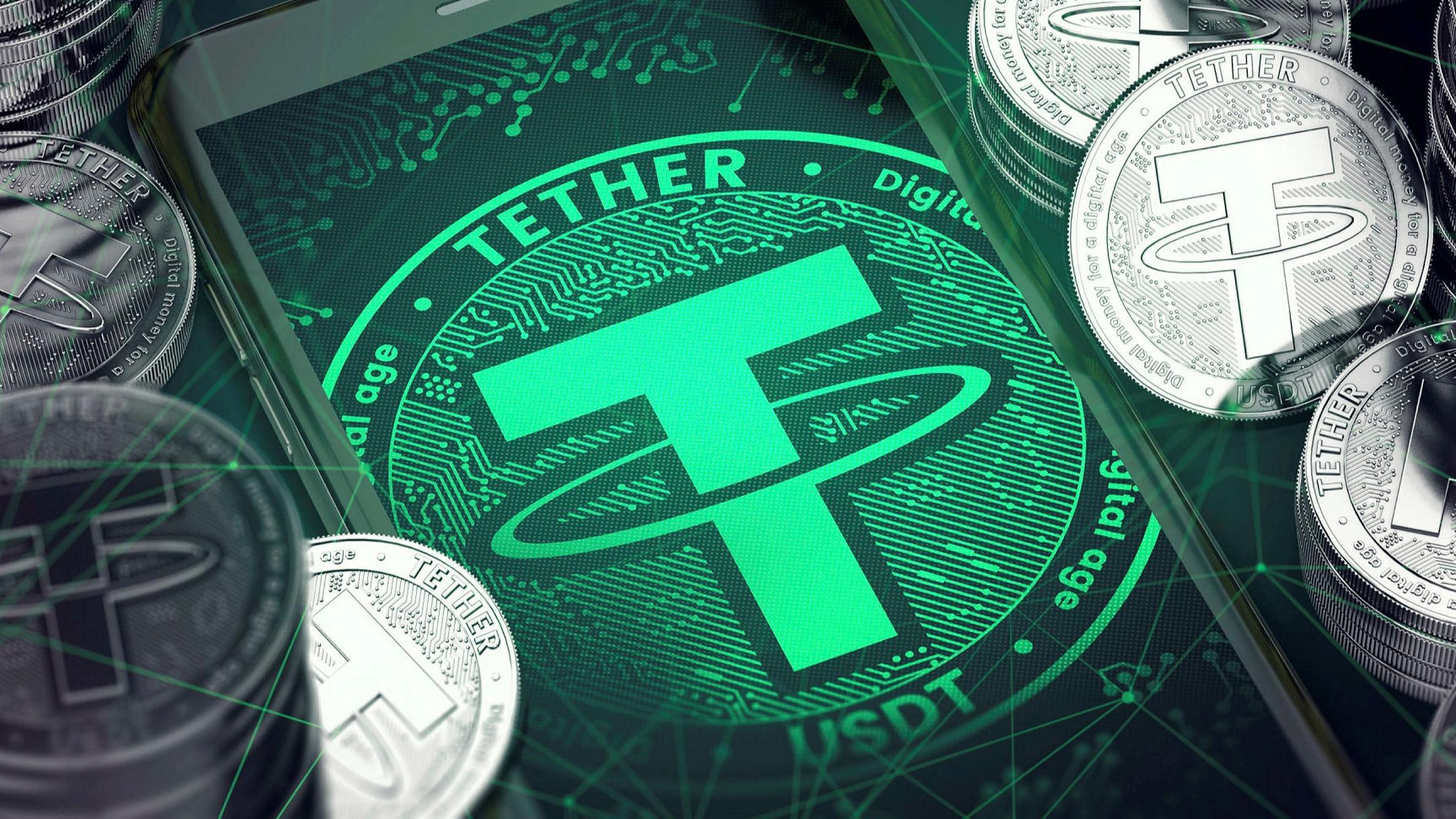
Tether is preparing to bring its USDT stablecoin back to the Bitcoin blockchain, marking a significant milestone more than a decade after the asset first launched on Bitcoin through the Omni layer.
The return will be powered by the RGB protocol, with infrastructure company UTEXO leading the rollout alongside Tether. The integration is expected to go live in the coming weeks, with cryptocurrency exchanges and wallet providers already working to support Bitcoin-native USDT transactions.
The move could reshape how users transfer stablecoins on Bitcoin by combining faster payments, stronger privacy, and lower transaction costs.
USDT Returns to Its Original Blockchain
USDT debuted on Bitcoin in 2014 before expanding to networks such as Ethereum, Tron, and Solana, where it eventually gained most of its adoption. Now, Tether is returning to its original blockchain using RGB protocol version 0.11.1.
UTEXO has spent years building the technology needed to support the launch. According to the company, its platform includes developer tools, APIs, user interface components, and a bridge that allows USDT to move between supported blockchains while reducing reliance on intermediaries.
The company says direct integration with Tether should also help reduce fees for users.
RGB Protocol Aims to Improve Speed and Privacy
The RGB protocol combines Bitcoin’s UTXO security model, client-side validation, and the Lightning Network. Together, these technologies allow USDT to be sent directly from Bitcoin-native addresses while enabling fast off-chain transactions.
Unlike traditional account-based blockchains, RGB keeps more transaction data off the public chain, offering improved privacy without sacrificing Bitcoin’s security.
UTEXO co-founder Viktor Ihnatiuk described the project as the result of more than eight years of work. He said the goal is to allow USDT to move across Bitcoin instantly, privately, and with predictable costs.
He also argued that users currently face unnecessary friction when moving between Bitcoin and USDT, often paying multiple fees and dealing with price slippage. Integrating stablecoin transfers with Bitcoin’s Lightning infrastructure is designed to simplify that process.
A Strategic Step for Bitcoin and Stablecoins
The RGB protocol was completed through collaboration involving Boosty Venture Studio, Fulgur Ventures, and Tether Investments under the UTEXO initiative.
The launch also comes during a period of regulatory change for Tether. Recently, USDT exited parts of the European Union market after the stablecoin did not secure authorization under the Markets in Crypto-Assets (MiCA) framework.
Despite those challenges, the return of USDT to Bitcoin signals that Tether continues to invest in expanding its ecosystem through new infrastructure rather than relying solely on existing blockchain networks.
Also Read: Tether Shuts Down aUSDT After 2 Years: Why the Stablecoin Giant Is Changing Strategy
Tether’s decision to bring USDT back to Bitcoin represents both a technical and symbolic development. By leveraging the RGB protocol and Lightning Network, the company aims to make stablecoin transfers faster, more private, and more cost-efficient. If the rollout proceeds as planned, Bitcoin could regain a more prominent role in the stablecoin economy while giving users another option for moving digital dollars across the crypto ecosystem.
Disclaimer: The information in this article is for general purposes only and does not constitute financial advice. The author’s views are personal and may not reflect the views of Chain Affairs. Before making any investment decisions, you should always conduct your own research. Chain Affairs is not responsible for any financial losses.

I’m a crypto enthusiast with a background in finance. I’m fascinated by the potential of crypto to disrupt traditional financial systems. I’m always on the lookout for new and innovative projects in the space. I believe that crypto has the potential to create a more equitable and inclusive financial system.