|
Getting your Trinity Audio player ready...
|
- SEC discussions on tokenized equities are boosting interest in XRP Ledger.
- XRPL’s asset issuance and settlement features make it a strong tokenization candidate.
- Regulatory clarity in the U.S. could accelerate blockchain-based securities trading.
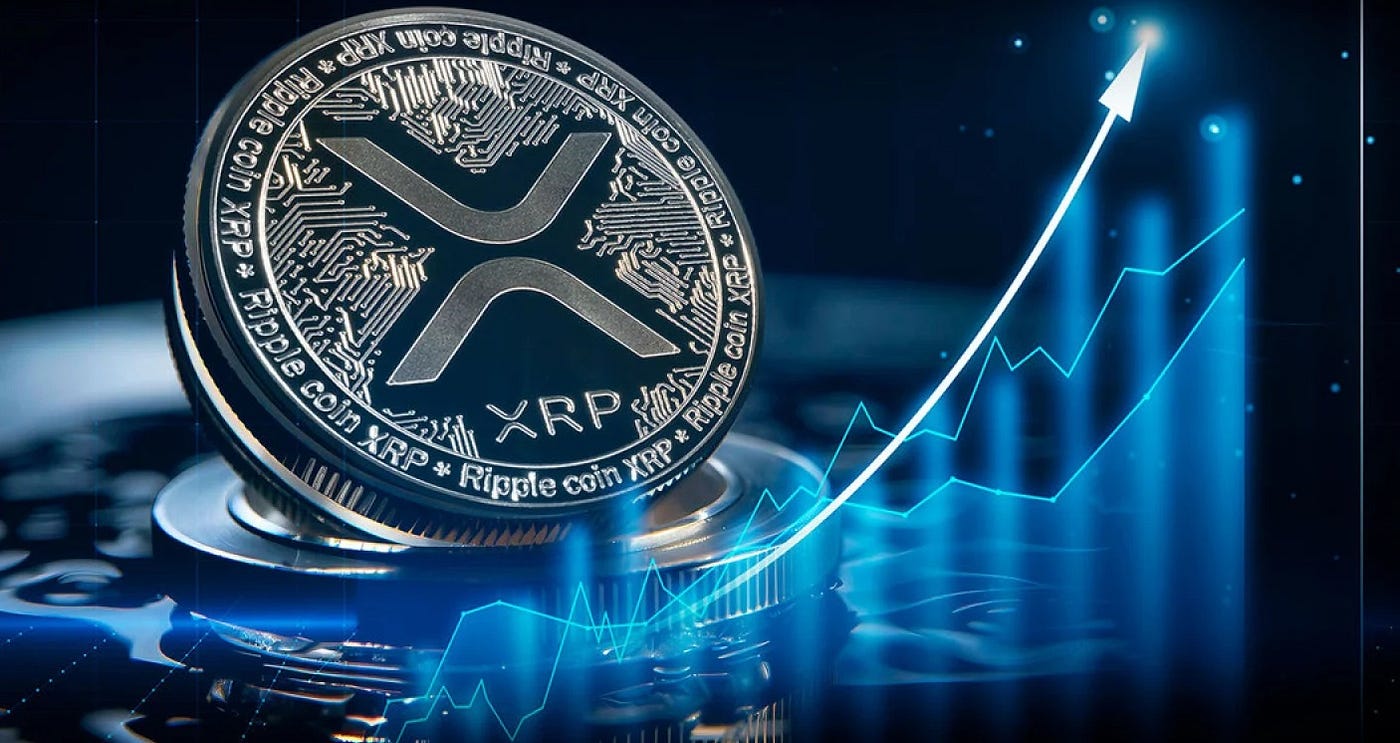
The XRP ecosystem is drawing renewed attention after reports emerged that the U.S. Securities and Exchange Commission is considering a regulatory exemption framework for tokenized equities. The move could open the door for blockchain-based trading platforms to offer digital representations of stocks, potentially accelerating adoption of tokenized assets across the crypto industry.
The proposal, reportedly tied to the broader digital asset agenda backed by the Trump administration, has sparked fresh discussion around the role of the XRP Ledger in real-world asset tokenization.
SEC’s Tokenization Push Sparks Industry Attention
According to reports, the SEC is evaluating an “innovation exemption” that may allow crypto-native exchanges to trade tokenized versions of publicly listed stocks. These digital assets could operate under different conditions than traditional equities, including possible limitations on shareholder rights such as voting or dividends.
The development is being viewed as another sign that U.S. regulators are warming up to blockchain-based financial infrastructure. Analysts say the shift could reshape how traditional securities are issued, traded, and settled in the future.
ETF analyst Nate Geraci described the momentum toward tokenization as rapid and industry-wide, noting that regulators, stock exchanges, and clearing firms are increasingly involved in blockchain discussions.
Why the XRP Ledger Is Back in Focus
The XRP Ledger has emerged as a key talking point because of its long-standing support for issued assets and fast settlement systems. Supporters argue that these features make the network well suited for tokenized securities and low-risk decentralized finance applications.
XRPL validator Vet highlighted the potential for tokenized stocks to expand practical blockchain use cases. The idea centers on bringing traditional financial products on-chain while maintaining efficiency and lower transaction costs.
Interest in the network has already been growing. Last month, the XRP Ledger reportedly surpassed $418 million in tokenized U.S. Treasury assets, underscoring rising institutional interest in blockchain-based finance products.
Regulatory Developments Could Shape the Next Phase
The SEC’s discussions come as lawmakers continue working on clearer digital asset rules in the United States. The Republican-led Senate Banking Committee has also advanced the CLARITY Act, a proposal designed to establish more defined crypto market regulations.
Also Read: Ripple Issues Urgent XRP Ledger Fix as XRP Futures Open Interest Surges to $2.6B
At the same time, the XRP Ledger recently introduced a validator upgrade that could strengthen network performance and reliability as tokenization activity expands.
The SEC’s latest stance on tokenized equities is fueling speculation that blockchain-based securities trading may be moving closer to mainstream adoption. For the XRP Ledger, the timing could be significant. With built-in asset issuance capabilities and growing institutional activity, XRPL is increasingly positioning itself as a contender in the evolving tokenized finance market.
Disclaimer: The information in this article is for general purposes only and does not constitute financial advice. The author’s views are personal and may not reflect the views of Chain Affairs. Before making any investment decisions, you should always conduct your own research. Chain Affairs is not responsible for any financial losses.

I’m your translator between the financial Old World and the new frontier of crypto. After a career demystifying economics and markets, I enjoy elucidating crypto – from investment risks to earth-shaking potential. Let’s explore!