|
Getting your Trinity Audio player ready...
|
- Iran launched Hormuz Safe, a Bitcoin-based maritime insurance platform for ships in the Strait of Hormuz.
- Crypto markets dropped sharply as investors shifted capital into gold and silver during geopolitical uncertainty.
- Regulatory and sanctions risks could limit global adoption of Iran’s crypto insurance system.
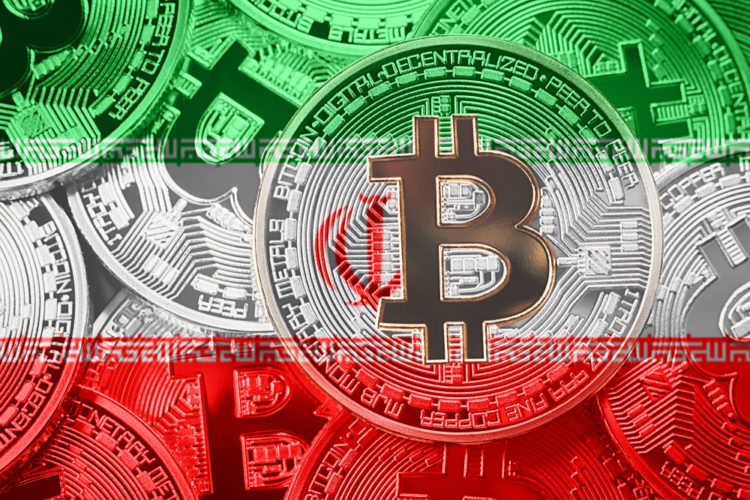
Iran is drawing global attention after reports revealed the launch of “Hormuz Safe,” a Bitcoin-powered maritime insurance platform designed for cargo ships traveling through the Persian Gulf and the Strait of Hormuz. The development comes at a volatile moment for digital assets, with Bitcoin and the broader crypto market facing sharp declines while investors rotate into traditional safe-haven assets like gold and silver.
The platform, reportedly launched by Iran’s Ministry of Economy on May 16, allows shipping operators to purchase maritime insurance using Bitcoin and other cryptocurrencies. Once payments are verified on-chain, insurance coverage is said to activate instantly, with digital proof of coverage issued to cargo operators.
Iran Turns to Crypto Amid Sanctions Pressure
Iran has spent years dealing with strict Western sanctions that have limited access to global banking infrastructure, including SWIFT. Hormuz Safe appears to be part of a broader strategy to bypass dollar-based settlement systems by using blockchain payments instead.
Reports suggest Iranian officials see crypto as a growing tool for international trade, particularly in industries affected by sanctions. The Strait of Hormuz remains one of the world’s most important shipping corridors, handling close to 20% of global oil trade.
Analysts say the platform could represent more than just an insurance product. It may signal Iran’s attempt to monetize shipping activity while reducing dependence on traditional Western financial rails.
Wise Advice Sumit noted that Bitcoin-based settlement systems are increasingly being viewed as part of a larger de-dollarization trend, where nations explore alternatives to conventional banking networks for cross-border commerce.
Crypto Markets Struggle as Investors Seek Safety
The launch also arrives during a difficult week for crypto markets. Bitcoin briefly dropped below $80,000, while Ethereum fell under $2,300 and XRP slipped to $1.38. The total crypto market capitalization declined to $2.66 trillion, with more than $331 million in liquidations recorded within 24 hours.
Several factors contributed to the downturn. Comments linked to potential strategic Bitcoin sales by Michael Saylor reportedly weakened investor sentiment. At the same time, concerns around slowing spot Bitcoin ETF inflows added pressure across the market.
A separate $6.7 million exploit involving DeFi liquidity provider TrustedVolumes further damaged confidence, triggering broader risk-off behavior among traders.
Meanwhile, gold surged 4.6% and silver climbed 12.4%, signaling a strong move toward traditional safe-haven assets amid rising geopolitical uncertainty surrounding US-Iran tensions.
Legal and Regulatory Questions Remain
Despite the attention, Hormuz Safe still faces major hurdles. The platform reportedly has limited public infrastructure, and many operational details remain unclear.
The biggest concern is sanctions compliance. Shipping firms or operators using an Iranian state-linked crypto insurance service could face scrutiny from U.S. regulators or potential secondary sanctions.
There are also questions about whether ports, insurers, and regulators outside Iran would recognize blockchain-issued insurance certificates tied to the platform.
Also Read: Tether Sued Over $344M Frozen USDT Linked to Iran’s IRGC
Hormuz Safe remains an early-stage project, but its emergence highlights how crypto is increasingly intersecting with geopolitics, global trade, and sanctions policy. Even as markets face volatility and investors shift toward traditional safe havens, governments and institutions continue exploring blockchain systems for real-world financial infrastructure.
As Bitcoin adoption expands beyond speculation, projects like Hormuz Safe may become an important test case for how crypto fits into the future of international commerce.
Disclaimer: The information in this article is for general purposes only and does not constitute financial advice. The author’s views are personal and may not reflect the views of Chain Affairs. Before making any investment decisions, you should always conduct your own research. Chain Affairs is not responsible for any financial losses.

I’m a crypto enthusiast with a background in finance. I’m fascinated by the potential of crypto to disrupt traditional financial systems. I’m always on the lookout for new and innovative projects in the space. I believe that crypto has the potential to create a more equitable and inclusive financial system.