|
Getting your Trinity Audio player ready...
|
- BNY is expanding crypto custody services into Abu Dhabi through regulated partnerships.
- The bank will initially support Bitcoin and Ethereum custody before expanding into tokenized assets.
- Abu Dhabi continues attracting major institutional players with clear crypto regulations.
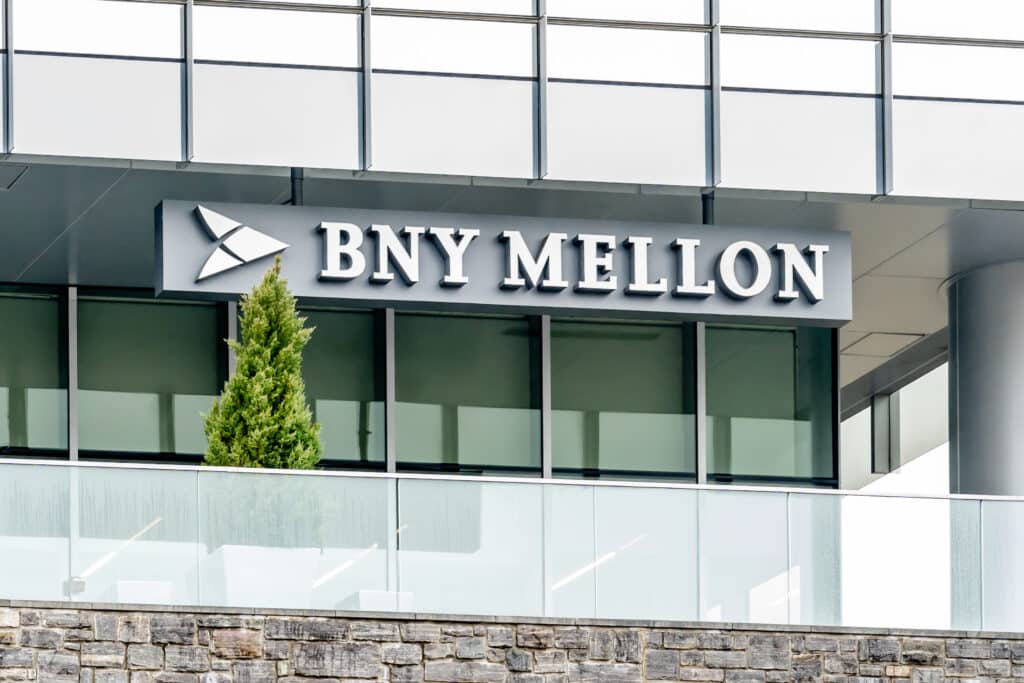
Traditional finance is continuing its steady shift toward digital assets, and one of Wall Street’s oldest institutions is now deepening its crypto footprint in the Middle East. BNY Mellon, the world’s largest custodian bank with nearly $59 trillion in assets under custody and administration, is expanding its digital asset custody services into Abu Dhabi through partnerships with Finstreet and ADI Foundation.
The initiative will operate within Abu Dhabi Global Market, commonly known as ADGM, which has rapidly emerged as one of the most active regulated crypto hubs in the Middle East.
BNY Deepens Its Digital Asset Strategy
The expansion highlights how large financial institutions are increasingly treating blockchain infrastructure as part of mainstream finance rather than a niche market.
BNY already made history as the first major U.S. systemically important bank to launch digital asset custody services. Its latest move signals growing confidence in the long-term role of crypto custody, tokenization, and blockchain-based settlement systems.
Initially, the Abu Dhabi operation will focus on custody services for Bitcoin and Ethereum. Over time, the bank plans to broaden support for stablecoins and tokenized real-world assets.
Hani Kablawi, Executive Vice Chair at BNY, described the UAE as entering a new phase of financial growth powered by digital connectivity and expanding capital markets. He noted that regulated infrastructure will play a key role in linking traditional finance with blockchain networks.
Why Abu Dhabi Is Becoming a Crypto Finance Hub
A major reason behind BNY’s decision is regulatory clarity.
While many jurisdictions are still debating crypto rules, ADGM and its Financial Services Regulatory Authority have spent years building a framework specifically designed for digital assets and blockchain companies. That legal certainty has helped attract exchanges, crypto firms, and now global banking institutions.
For established financial firms, clear compliance standards are essential before offering services tied to digital assets. Abu Dhabi’s approach gives institutions a regulated environment that resembles traditional financial markets while still supporting innovation.
The Bigger Opportunity: Asset Tokenization
The move is about more than simply storing crypto.
The broader opportunity lies in tokenization — converting traditional assets like bonds, real estate, and private equity into blockchain-based assets that can be traded and settled more efficiently.
By integrating with ADI Chain infrastructure, BNY appears to be positioning itself for a future where custody, trading, and settlement happen within a single blockchain-based financial ecosystem.
BNY’s entrance into Abu Dhabi could encourage other global banks to follow a similar path. As one of the most influential custodial institutions in the world, its presence adds credibility to the UAE’s ambition of becoming a leading center for regulated digital finance.
Also Read: Ripple Appoints BNY Mellon to Custody RLUSD Stablecoin
The shift also reflects a larger trend: institutional adoption of crypto is increasingly being driven by infrastructure, compliance, and tokenization rather than speculative trading alone.
BNY’s expansion into Abu Dhabi marks another milestone in the merging of traditional finance and blockchain technology. With regulatory clarity, growing institutional demand, and rising interest in tokenized assets, the UAE is positioning itself as a major destination for the next phase of digital finance growth.
Disclaimer: The information in this article is for general purposes only and does not constitute financial advice. The author’s views are personal and may not reflect the views of Chain Affairs. Before making any investment decisions, you should always conduct your own research. Chain Affairs is not responsible for any financial losses.

I’m your translator between the financial Old World and the new frontier of crypto. After a career demystifying economics and markets, I enjoy elucidating crypto – from investment risks to earth-shaking potential. Let’s explore!