|
Getting your Trinity Audio player ready...
|
- The Fed held rates steady for the third consecutive meeting amid rising inflation concerns.
- Oil price spikes tied to geopolitical tensions are complicating monetary policy decisions.
- Markets now await signals from Powell on future rate direction and policy stance.
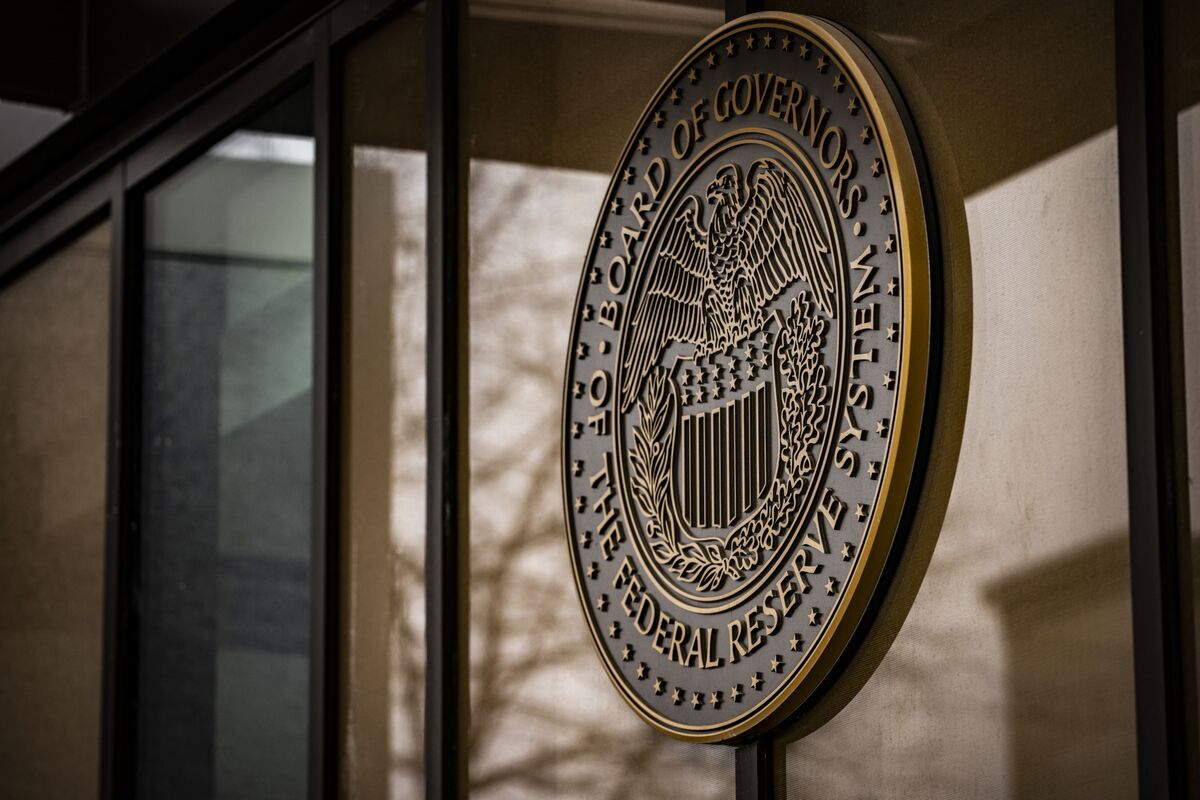
The U.S. Federal Reserve has opted to keep interest rates unchanged for the third straight policy meeting, signaling caution as inflation pressures persist and geopolitical tensions escalate. The decision comes as oil prices surge to multi-year highs, driven in part by the ongoing U.S.-Iran conflict, raising fresh concerns about the global economic outlook.
Fed Maintains Pause Despite Inflation Concerns
In its latest Federal Open Market Committee (FOMC) decision, the Fed held the federal funds rate at a target range of 3.50% to 3.75%. The move follows a series of rate cuts last year and reflects a more measured approach as policymakers assess evolving risks.
Notably, the vote revealed rare internal divisions. The decision passed with an 8–4 vote, marking the highest number of dissents in over three decades. While one official pushed for a rate cut, several others supported holding rates but opposed signaling any future easing bias. This split underscores growing uncertainty within the central bank about the right path forward.
The Fed also sharpened its language on inflation, now describing it as “elevated” rather than “somewhat elevated.” Officials acknowledged that developments in the Middle East are adding significant uncertainty, particularly as energy markets react to supply disruptions.
Oil Prices and Geopolitics Complicate Outlook
Rising oil prices remain a key concern for policymakers. The standoff in the Strait of Hormuz—a critical global oil transit route—has intensified fears of supply constraints, pushing crude prices higher. As energy costs ripple through the economy, inflation risks could remain stubbornly high.
This backdrop makes it harder for the Fed to pivot toward rate cuts. While economic growth has shown resilience, persistent inflation—especially driven by external shocks—limits the central bank’s flexibility.
Markets Eye Powell’s Final Press Conference
Attention now turns to Fed Chair Jerome Powell’s press conference, which could be his last before his term ends in mid-May. Investors are closely watching for clues on whether the Fed views this pause as temporary or part of a longer holding pattern.
Also Read: Fed Shake-Up: Will Kevin Warsh Defy Trump and Keep Rates High?
So far, Powell has not indicated that rate hikes are imminent, but markets will scrutinize his tone for any shift. Meanwhile, expectations suggest the Fed is likely to maintain current rates in the near term, with little indication of cuts before next year.
The Fed’s latest decision highlights a delicate balancing act: containing inflation without derailing growth. With geopolitical tensions driving uncertainty and internal divisions emerging within the Fed, the path ahead remains unclear. For now, policymakers appear committed to staying cautious—waiting for clearer signals before making their next move.
Disclaimer: The information in this article is for general purposes only and does not constitute financial advice. The author’s views are personal and may not reflect the views of Chain Affairs. Before making any investment decisions, you should always conduct your own research. Chain Affairs is not responsible for any financial losses.

I’m a crypto enthusiast with a background in finance. I’m fascinated by the potential of crypto to disrupt traditional financial systems. I’m always on the lookout for new and innovative projects in the space. I believe that crypto has the potential to create a more equitable and inclusive financial system.