|
Getting your Trinity Audio player ready...
|
- Justin Sun alleges WLFI froze his tokens and revoked voting rights unfairly.
- Controversial governance proposal could impose strict penalties on token holders.
- Lawsuit raises wider concerns about transparency and decentralization in crypto.
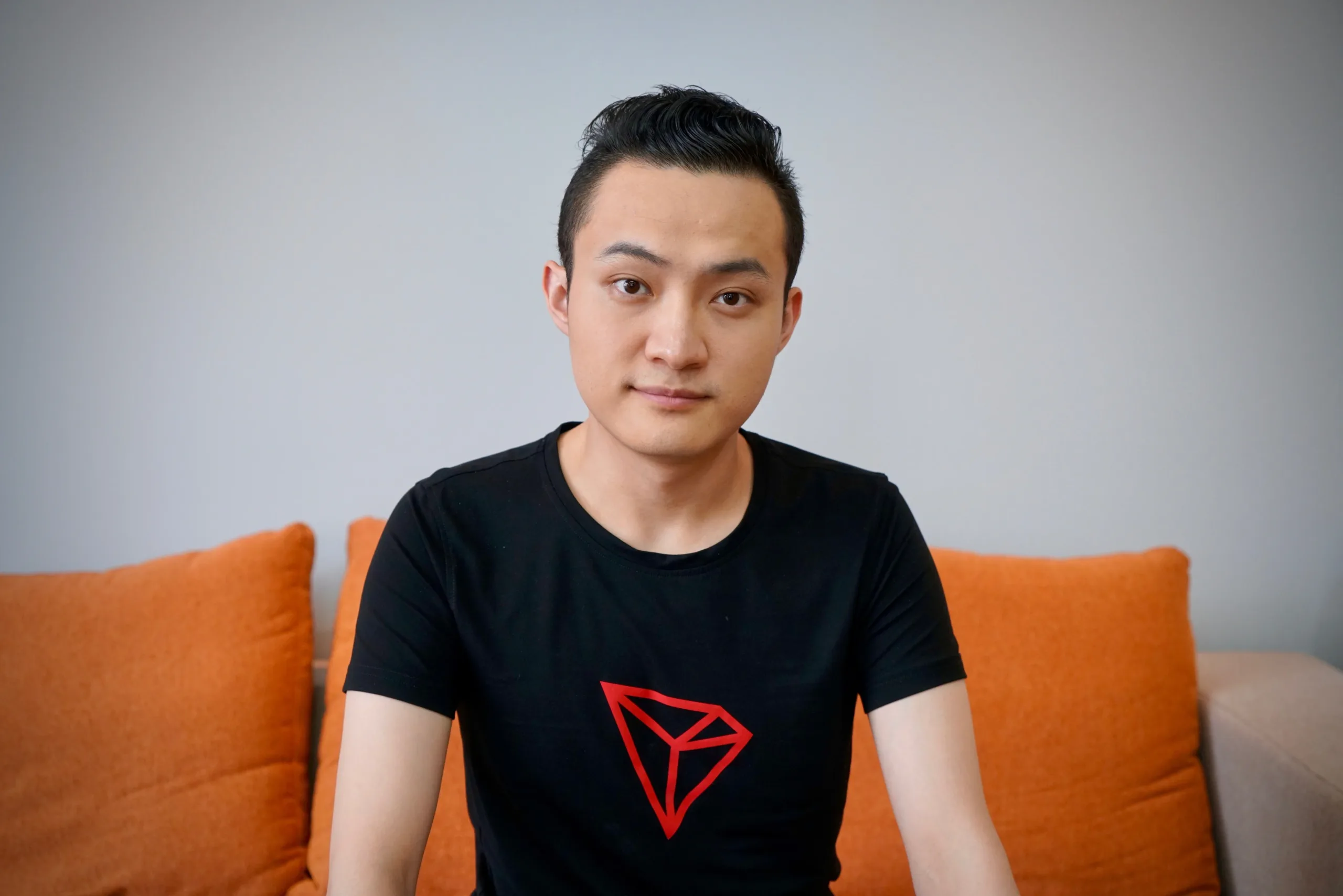
Tron founder Justin Sun has filed a lawsuit in a California federal court against World Liberty Financial (WLFI), escalating a dispute over frozen tokens and governance rights. The case adds fresh tension to a project already facing scrutiny, raising broader questions about transparency and investor protections in emerging crypto ecosystems.
Dispute Over Frozen WLFI Tokens
Sun alleges that WLFI unjustly froze his token holdings, preventing him from accessing or using them. According to his statement, the move also stripped him of voting rights tied to the tokens—rights that are central to decentralized governance.
He further claims the project threatened to permanently destroy his holdings through a token burn mechanism. Sun argues that these actions violate basic principles of fairness for early investors, particularly those who participated in the project’s early funding stages.
This is not the first time Sun has criticized WLFI. He previously warned about what he described as a hidden “blacklisting” function within the platform, which could allegedly allow insiders to restrict or seize user assets.
Governance Clash and Controversial Proposal
At the heart of the conflict is a governance proposal introduced in mid-April. Sun claims the proposal includes strict conditions that could heavily impact token holders, especially those who oppose it.
The terms reportedly include a mandatory burn of a portion of tokens and penalties for non-compliance, such as permanent lockups. Additionally, the proposal outlines a multi-year vesting schedule for early investors, limiting liquidity and flexibility.
Sun says he strongly disagrees with the proposal but has been unable to vote due to the suspension of his rights. This, he argues, undermines the decentralized nature of the project and excludes key stakeholders from critical decisions.
Broader Concerns Around WLFI
Despite the legal action, Sun maintained a supportive stance toward Donald Trump and his perceived pro-crypto position. He suggested that the actions of WLFI’s operators may not align with the values Trump has publicly endorsed.
Sun also revealed that attempts to resolve the issue privately were unsuccessful, with the WLFI team allegedly refusing to restore his tokens or reinstate his rights.
Also Read: Justin Sun Plans $100M Bitcoin Buy as Corporate Treasuries Sink — Who’s Right?
The lawsuit comes amid growing scrutiny of WLFI, including controversy surrounding a reported $75 million borrowing decision. Together, these issues have raised concerns among investors about governance standards and risk management within the project.
The legal battle between Justin Sun and World Liberty Financial highlights ongoing tensions in crypto governance, where control mechanisms can clash with decentralization ideals. As the case unfolds, it may set an important precedent for how token rights and investor protections are handled in similar projects. For now, the dispute underscores a key challenge facing the industry: balancing innovation with accountability.
Disclaimer: The information in this article is for general purposes only and does not constitute financial advice. The author’s views are personal and may not reflect the views of Chain Affairs. Before making any investment decisions, you should always conduct your own research. Chain Affairs is not responsible for any financial losses.

I’m your translator between the financial Old World and the new frontier of crypto. After a career demystifying economics and markets, I enjoy elucidating crypto – from investment risks to earth-shaking potential. Let’s explore!