|
Getting your Trinity Audio player ready...
|
- Iran now requires oil tankers to pay a Bitcoin toll to pass through the Strait of Hormuz.
- The move could reduce shipping traffic drastically and disrupt global oil supply.
- Bitcoin is being used to bypass sanctions and traditional financial systems.
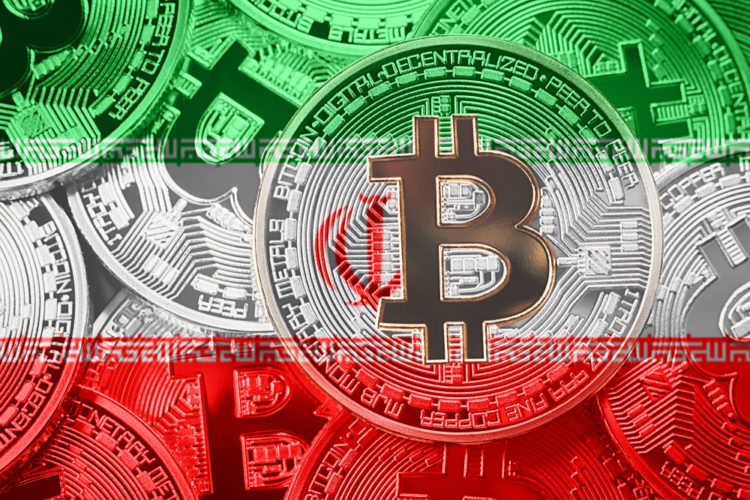
Iran is introducing a controversial new system that could reshape global oil shipping: a mandatory Bitcoin toll for tankers passing through the Strait of Hormuz. The move comes amid a fragile two-week ceasefire, as Tehran seeks tighter control over one of the world’s most critical energy chokepoints.
According to officials from Iran’s oil export sector, the policy blends financial innovation with heightened security oversight—raising concerns across shipping and energy markets.
How the Bitcoin Toll System Works
Under the proposed framework, all oil tankers must submit detailed cargo information to Iranian authorities before entering the strait. Once reviewed, ships carrying oil will be required to pay a tariff of $1 per barrel—exclusively in Bitcoin.
For context, a large crude carrier transporting around 3 million barrels would face a payment of roughly $3 million in BTC per voyage. Empty vessels, however, are exempt from the fee.
The payment window is intentionally tight. Tankers reportedly have only seconds to complete the transaction after approval. Iranian officials claim this approach minimizes the risk of funds being tracked or blocked by external authorities.
Failure to comply carries severe consequences. Any vessel attempting to pass without authorization may face military action, underscoring the high-stakes nature of the policy.
Strategic Shift Toward Bitcoin
Iran’s decision to use Bitcoin reflects a broader strategy to bypass traditional financial systems. As a decentralized and non-sovereign asset, Bitcoin allows transactions to occur outside the reach of international sanctions and banking restrictions.
This marks a rare instance of a state-level attempt to integrate cryptocurrency directly into global trade logistics. While digital assets have been used in cross-border payments before, applying them to maritime tolls at scale is unprecedented.
The move also signals growing interest in crypto as a geopolitical tool, particularly among nations facing financial isolation.
Impact on Global Shipping and Oil Markets
Industry experts warn that the new regulations could significantly disrupt traffic through the Strait of Hormuz. In addition to the Bitcoin toll, ships must undergo background checks, follow designated routes near Iran’s coastline, and await final approval from national security authorities.
As a result, daily vessel traffic could drop sharply. Estimates suggest only 10 to 15 ships may pass through the strait each day, compared to around 135 under normal conditions.
Such a bottleneck could tighten global oil supply chains, potentially driving price volatility and increasing shipping costs. Energy markets are likely to monitor the situation closely as the policy unfolds.
Also Read: Iran’s Bitcoin Mining Crashes 77% — Here’s Why the Network Didn’t Break
Iran’s Bitcoin toll proposal represents a bold and risky experiment at the intersection of geopolitics, energy, and cryptocurrency. While it offers Tehran a workaround to financial restrictions, it also introduces new friction into an already sensitive global trade route.
If enforced, the policy could accelerate the role of digital currencies in international commerce—while simultaneously testing the resilience of global energy markets.
Disclaimer: The information in this article is for general purposes only and does not constitute financial advice. The author’s views are personal and may not reflect the views of Chain Affairs. Before making any investment decisions, you should always conduct your own research. Chain Affairs is not responsible for any financial losses.

I’m your translator between the financial Old World and the new frontier of crypto. After a career demystifying economics and markets, I enjoy elucidating crypto – from investment risks to earth-shaking potential. Let’s explore!