|
Getting your Trinity Audio player ready...
|
- Congress faces rising pressure to pass the crypto market structure bill quickly.
- Disputes between banks and crypto firms are delaying progress on stablecoin rules.
- Regulatory uncertainty could weaken the US position in the global crypto market.
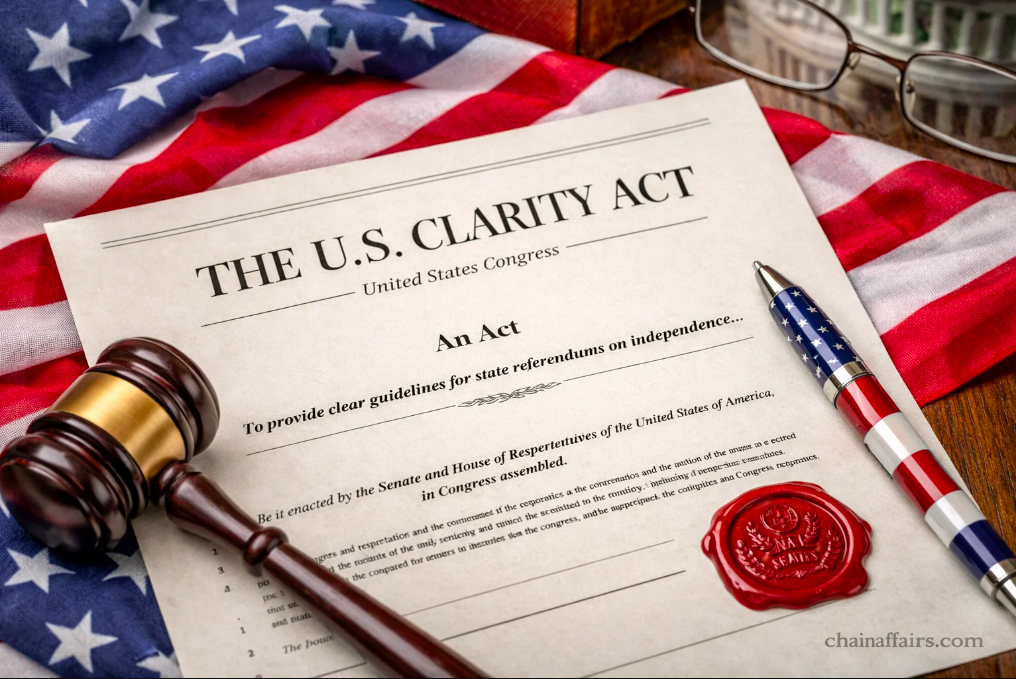
The push to regulate the fast-growing digital asset sector is entering a critical phase, as Scott Bessent urges Congress to fast-track the long-awaited crypto market structure bill. With the CLARITY Act stuck in the Senate, officials warn that delays could undermine the United States’ position in the global crypto race.
Bessent, speaking this week, framed the issue as both economic and strategic. He stressed that limited legislative time and rising global competition mean lawmakers must act quickly to provide clear rules for the industry.
Urgency Builds Around Crypto Regulation
At the core of the debate is the need for regulatory clarity. The CLARITY Act is designed to define how digital assets are classified and governed at the federal level—an issue that has long created confusion for investors and companies alike.
According to Bessent, the stakes are high. Cryptocurrency adoption continues to grow rapidly, with millions of Americans now holding digital assets. At the same time, traditional financial institutions are expanding into crypto-related services, signaling deeper integration between legacy finance and blockchain technology.
Senator Cynthia Lummis echoed the urgency, pointing to bipartisan momentum and support from the current administration. She emphasized that the groundwork has already been laid, and Congress should capitalize on this progress before momentum fades.
Banking Sector Clash Slows Progress
Despite growing support, disagreements between banks and crypto firms have stalled progress. A key sticking point centers on stablecoin rewards—specifically whether third-party platforms like Coinbase should be allowed to offer yield to users.
A recent White House analysis suggested that stablecoin-related risks to bank deposits are minimal. However, some banking representatives have challenged those findings, arguing that the study overlooks broader funding concerns.
This divide has complicated negotiations, as policymakers attempt to balance financial stability with innovation. The debate also intersects with provisions in the GENIUS Act, which limits how stablecoin issuers can distribute yields.
SEC Moves Ahead as Congress Delays
While lawmakers debate, the U.S. Securities and Exchange Commission is moving forward with its own regulatory approach. The agency is advancing rules around crypto fundraising, even as broader legislative clarity remains unresolved.
This parallel track highlights the fragmented state of US crypto oversight. Without a unified framework, companies face uncertainty, and regulators risk overlapping or conflicting policies.
Also Read: Crypto Breakthrough Near? CLARITY Act Inches Forward as XRP Risks Drop to $1
The delay of the CLARITY Act underscores the challenges of regulating a rapidly evolving industry. Yet the message from policymakers is increasingly clear: time is running out.
If Congress fails to act soon, the US could fall behind other jurisdictions that are moving faster to establish crypto-friendly regulations. For now, the future of US crypto policy hinges on whether lawmakers can bridge divides and deliver clarity before the window closes.
Disclaimer: The information in this article is for general purposes only and does not constitute financial advice. The author’s views are personal and may not reflect the views of Chain Affairs. Before making any investment decisions, you should always conduct your own research. Chain Affairs is not responsible for any financial losses.

I’m your translator between the financial Old World and the new frontier of crypto. After a career demystifying economics and markets, I enjoy elucidating crypto – from investment risks to earth-shaking potential. Let’s explore!