|
Getting your Trinity Audio player ready...
|
- Kraken listing marks Pi Network’s first major regulated exchange access.
- $PI price surged 30% after listing, reflecting strong retail demand.
- Long-term success depends on adoption, real-world use, and ecosystem growth.
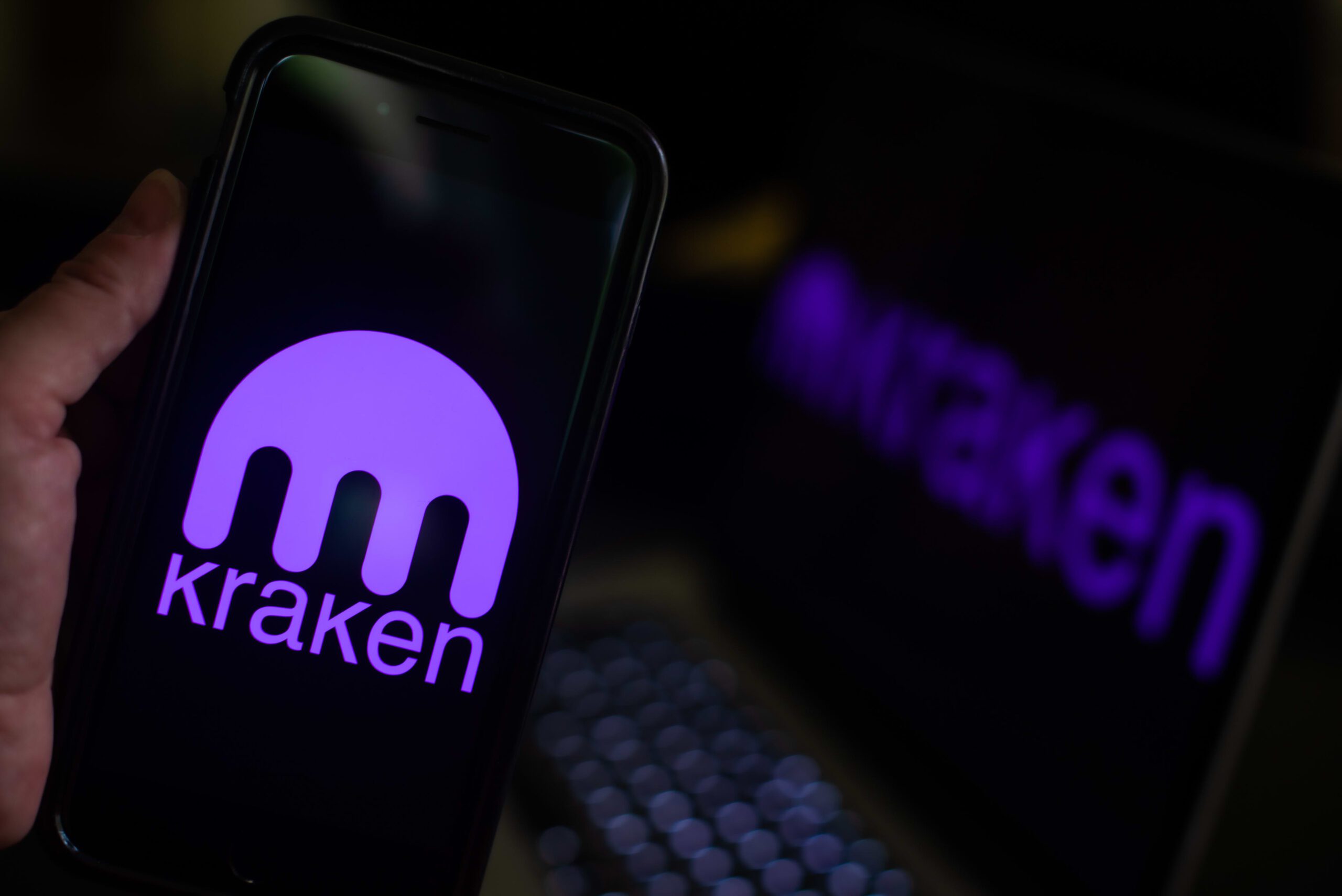
The Pi Network token ($PI) officially hit the global stage with its listing on Kraken on March 13, 2026, marking a pivotal moment for the mobile-mined cryptocurrency. The launch, strategically timed a day before the community’s annual Pi Day celebration on March 14, drew immediate attention from millions of Pi Network users, known as “Pioneers,” and crypto traders worldwide.
The listing not only delivered long-awaited market access but also ignited a surge in trading activity, with $PI prices climbing roughly 30% shortly after the announcement. While the milestone signals progress for the ecosystem, it also raises questions about the token’s long-term utility, adoption, and volatility.
What Is Pi Network?
Pi Network is a mobile-first cryptocurrency designed to make blockchain participation accessible to everyday users. Founded in 2019 by Stanford Ph.D. researchers Dr. Nicolas Kokkalis and Dr. Chengdiao Fan, the project allows users to mine coins directly on their smartphones without the high energy demands typical of cryptocurrencies like Bitcoin.
The network runs on a proprietary layer-1 blockchain, employing a Stellar Consensus Protocol (SCP)—a federated Byzantine agreement system that validates transactions through trusted participant groups called Security Circles. This model reduces energy use while enabling decentralized validation.
Beyond mining, Pi Network has developed tools to foster ecosystem growth:
- Pi Browser – An app environment for decentralized services.
- Pi SDK – A toolkit enabling developers to build apps for the Pi ecosystem.
- Pi App Studio – Supports AI-assisted app development for the network.
By 2026, the project reports tens of millions of users, including over 17 million KYC-verified participants and roughly 16 million migrated to the mainnet, highlighting its expansive reach.
Kraken Listing: Unlocking Global Trading Access
Before the Kraken listing, $PI existed largely in a restricted ecosystem, limiting trade and liquidity. Launching spot trading on a major regulated exchange provides crucial market exposure, potentially attracting both retail and institutional interest.
Key benefits of exchange listings include:
- Increased liquidity and easier buying/selling.
- Wider access for international traders.
- Enhanced visibility among investors and media.
Trading went live on March 13, giving Pioneers immediate access to deposit, trade, and monitor market activity. The timing with Pi Day boosted community engagement, turning the listing into both a celebratory and financial milestone.
How to Trade $PI on Kraken
- Account Creation and Verification
Sign up for a Kraken account and complete KYC verification. - Deposit PI Tokens
Navigate to the Funding section, select PI, and deposit through supported networks. Sending tokens via unsupported networks may result in permanent loss. - Trading
Once deposited, $PI can be traded against supported pairs. Liquidity may initially affect order execution, but market access expands over time.
Selling PI Tokens
To sell $PI, users transfer coins from the Pi Wallet to Kraken. After deposit confirmation, users can place market or limit sell orders, converting tokens into fiat or other cryptocurrencies.
Pi Network’s Long Road to Market
Despite massive user adoption, Pi Network’s path to mainstream trading has been slow and, at times, controversial. For years, $PI operated in an “enclosed mainnet” phase, restricting exchange trading and obscuring market price discovery. Key challenges included:
- Development delays: Transitioning from testnet to mainnet took longer than anticipated.
- Price volatility: $PI saw extreme fluctuations, including a 95% drop from previous highs in late 2025.
- Security and centralization risks: Reports highlighted vulnerabilities affecting market confidence.
These hurdles fueled debate over the project’s credibility and long-term viability.
Market Reaction and Price Dynamics
The Kraken listing immediately fueled a 30% price surge, reflecting retail demand and speculation. Such rallies are typical for tokens gaining new exchange access, as liquidity opens trading opportunities for previously restricted holders.
Analysts caution, however, that listing-driven rallies can trigger volatility, especially when early adopters sell tokens following market access. Investors are advised to approach trading with caution, considering both short-term momentum and long-term risks.
Risks and Challenges
Despite recent momentum, Pi Network remains a speculative investment. Critical risks include:
- Speculative nature: Long-term value depends on ecosystem adoption and real-world utility.
- Regulatory uncertainty: Future scrutiny could affect listings or user access.
- Limited proven applications: Pi’s ecosystem is still developing compared with established blockchains.
- Token supply pressure: Mass token migration could trigger sell-offs.
- Governance concerns: Centralization questions may impact investor confidence.
- Technical and security vulnerabilities: Any blockchain flaws could compromise operations.
Looking Ahead: Pi Network’s Potential
Pi Network’s mobile-first, socially-driven approach offers a unique growth strategy. By prioritizing accessibility and leveraging its large user base, the network aims to transition from a community experiment to a functional blockchain economy.
Also Read: Pi Network Nears $0.30 as Kraken Listing Goes Live — Can PI Hit $0.75 by Pi Day?
The Kraken listing is more than a trading opportunity—it is a market test for the ecosystem’s adoption potential. Success could position Pi as a widely recognized blockchain project, but sustained growth will depend on developer engagement, real-world applications, and investor confidence.
The $PI listing on Kraken marks a historic moment for Pi Network, delivering global trading access and sparking significant market activity. For Pioneers and crypto investors alike, the milestone represents both opportunity and risk. While the token’s mobile-first approach and large user base offer promise, volatility, speculative dynamics, and regulatory uncertainty underscore the need for caution. As Pi Network enters this new phase, the crypto community will closely watch whether the project can translate mass adoption into meaningful market utility.
Disclaimer: The information in this article is for general purposes only and does not constitute financial advice. The author’s views are personal and may not reflect the views of Chain Affairs. Before making any investment decisions, you should always conduct your own research. Chain Affairs is not responsible for any financial losses.

I’m your translator between the financial Old World and the new frontier of crypto. After a career demystifying economics and markets, I enjoy elucidating crypto – from investment risks to earth-shaking potential. Let’s explore!