|
Getting your Trinity Audio player ready...
|
- Morgan Stanley seeks a national trust charter to custody and manage digital assets.
- U.S. regulators appear to be adopting a more innovation-friendly crypto stance.
- Institutional crypto adoption continues to accelerate across banks and fintech firms.
Wall Street’s growing embrace of digital assets took another step forward this month after Morgan Stanley applied for a new national trust bank charter designed specifically to handle cryptocurrencies. The move comes as U.S. regulators signal a more accommodating stance toward blockchain innovation, hinting at a broader shift in how traditional finance engages with crypto markets.
The application, filed with the Office of the Comptroller of the Currency, proposes the creation of Morgan Stanley Digital Trust, National Association, a newly formed entity that would safeguard digital assets and facilitate trading, transfers, and staking on behalf of clients.
Wall Street Expands Crypto Custody Ambitions
If approved, the charter would allow Morgan Stanley to operate as a fiduciary institution specializing in digital asset custody and trust services. National trust banks play a key role in asset safekeeping, and a crypto-focused structure could help large investors gain exposure while maintaining institutional-grade oversight.
The application reflects a broader race among financial firms seeking similar approvals. Companies including Ripple, BitGo, Fidelity Digital Assets, and Paxos have also pursued trust bank status in recent months. Payments giants such as Stripe and platforms like Crypto.com are exploring similar routes as competition intensifies.
Morgan Stanley’s application follows other crypto initiatives, including ETF filings tied to Bitcoin, Ether, and Solana, as well as internal hiring to expand its digital asset division.

SEC Signals Friendlier Regulatory Direction
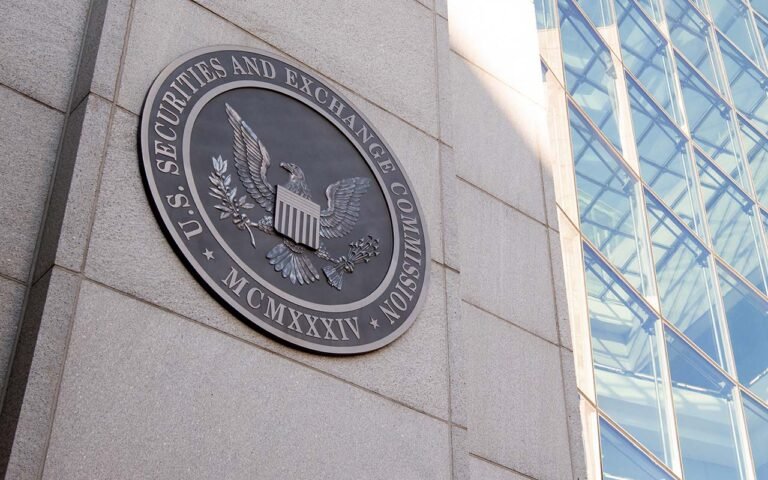
At the same time, policymakers appear to be recalibrating their approach to the sector. U.S. Securities and Exchange Commission leadership has acknowledged the agency was slow to adapt to blockchain innovation under former chair Gary Gensler.
Current chairman Paul Atkins recently described past oversight as a “missed opportunity,” emphasizing the potential of distributed ledger technology to modernize settlement systems and payments infrastructure. The SEC has since launched new initiatives aimed at updating rules and enabling tokenized financial products.
One early sign of this shift came when WisdomTree received approval for a tokenized money market fund capable of round-the-clock trading and near-instant settlement.
Institutional Crypto Adoption Gains Momentum
Taken together, Morgan Stanley’s trust charter bid and the SEC’s evolving posture highlight a growing convergence between traditional finance and digital assets. Major banks are positioning themselves for long-term participation in crypto markets, while regulators appear more open to integrating blockchain into existing financial frameworks.
If approvals continue, 2026 could mark a turning point in institutional crypto adoption — one where digital assets move from the margins into mainstream financial infrastructure.
Disclaimer: The information in this article is for general purposes only and does not constitute financial advice. The author’s views are personal and may not reflect the views of Chain Affairs. Before making any investment decisions, you should always conduct your own research. Chain Affairs is not responsible for any financial losses.

I’m your translator between the financial Old World and the new frontier of crypto. After a career demystifying economics and markets, I enjoy elucidating crypto – from investment risks to earth-shaking potential. Let’s explore!