|
Getting your Trinity Audio player ready...
|
- Binance finalized a $1 billion SAFU Fund conversion into Bitcoin at ~$67K average cost.
- BTC volatility has surged, with whales moving large amounts to exchanges.
- Accumulation signals are emerging, but short-term trend remains fragile.
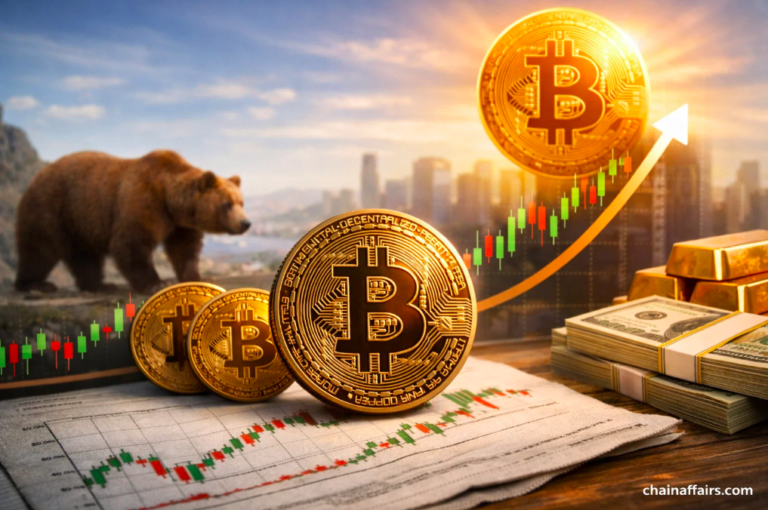
Binance has completed the full conversion of its $1 billion Secure Asset Fund for Users (SAFU) into Bitcoin, a move that comes as BTC volatility spikes and whale activity intensifies.
The world’s largest crypto exchange confirmed it purchased 4,545 BTC in the final tranche of the program announced on January 30. In total, the SAFU wallet now holds roughly 15,000 BTC—worth just over $1 billion at current prices—acquired at an average cost basis of around $67,000.
Binance said the shift reinforces its view of Bitcoin as a long-term reserve asset. But the timing has raised eyebrows, as the conversion coincided with renewed market weakness and criticism directed at the exchange during the recent downturn.
Why Binance Shifted Its SAFU Fund to Bitcoin
The SAFU Fund was originally backed by stablecoins to protect users in extreme events. By converting the entire reserve into Bitcoin, Binance is effectively making a public bet on BTC’s long-term strength.
The exchange framed the move as a response to market volatility and broader pressure within the crypto sector. However, Bitcoin has since dropped from around $84,000 to near $67,000, marking an additional 20% pullback after the announcement.
Some market observers point to historical precedent. The last time Binance accumulated significant BTC during weakness, the asset eventually staged a multi-year rally. Still, it’s important to note that Bitcoin’s explosive late-2024 surge was largely driven by macro and political catalysts, not exchange accumulation alone.
Volatility Returns as Whales Send BTC to Exchanges
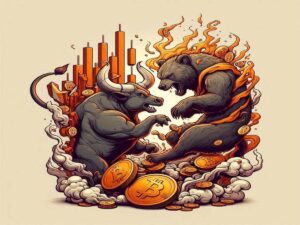
Bitcoin’s recent price action suggests the calm phase is over. In early February, BTC fell more than 14% in a single move before rebounding over 12%, triggering heavy liquidations across leveraged positions.
Volatility indicators have since climbed, reflecting faster and larger price swings. For traders using leverage, this environment increases risk significantly.
At the same time, on-chain data shows a surge in large-holder inflows to exchanges. Wallets holding 100+ BTC have sent significantly more coins to trading platforms, with one day alone recording a spike of roughly 12,000 BTC in inflows. Such moves often appear near local tops or during panic-driven sell-offs.
Technical indicators remain cautious. Bitcoin is trading below its 20-day moving average, while momentum metrics such as RSI and DMI suggest bearish pressure still dominates.
Is a Bitcoin Bottom Forming?
Despite short-term fragility, there are early signs of accumulation. Analytics firm Glassnode has noted a rise in whale outflows from exchanges over a 30-day average, echoing patterns seen during the 2022 market bottom.
Also Read: Binance Locks $1 Billion SAFU Fund Into Bitcoin as Market Fear Hits Record Low
If institutional players and long-term investors continue accumulating at current levels, it could help stabilize Bitcoin price and lay the groundwork for a broader recovery. For now, however, macro headwinds and elevated volatility suggest the market remains in a delicate phase.
In short, Binance’s $1 billion Bitcoin bet underscores long-term conviction—but in the near term, BTC bulls still face significant hurdles.
Disclaimer: The information in this article is for general purposes only and does not constitute financial advice. The author’s views are personal and may not reflect the views of Chain Affairs. Before making any investment decisions, you should always conduct your own research. Chain Affairs is not responsible for any financial losses.

I’m a crypto enthusiast with a background in finance. I’m fascinated by the potential of crypto to disrupt traditional financial systems. I’m always on the lookout for new and innovative projects in the space. I believe that crypto has the potential to create a more equitable and inclusive financial system.