
|
Getting your Trinity Audio player ready...
|
- Fake phones can come preloaded with malware that targets crypto wallets.
- Triada Trojan survives factory resets and intercepts messages, calls, and 2FA codes.
- Always buy phones from official retailers and store long-term crypto offline.
Imagine unboxing a brand-new smartphone, setting it up, and depositing crypto into your Wallet—only to discover it’s all gone. You followed all the right steps: two-factor authentication, verified downloads, and trusted apps. Yet, hackers already had access the moment you powered on your device. Welcome to the world of fake Phone crypto scams, a rising threat targeting crypto users worldwide.
What Are Fake Phone Crypto Scams?
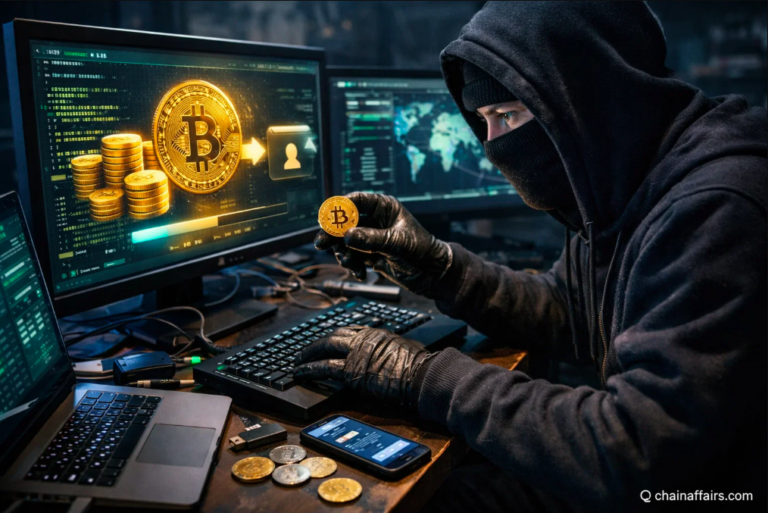
Fake phone crypto scams involve counterfeit smartphones that look and operate like legitimate devices but are preloaded with hidden malware. These phones are specifically aimed at crypto users, traders, and investors. While the device may appear normal, it silently collects sensitive information, hijacks crypto transactions, and intercepts messages.
Recent reports reveal that thousands of Android phones sold online at discounted prices were infected with Triada Trojan, a malware designed to:
- Steal credentials from messaging and social media apps.
- Swap crypto wallet addresses to redirect funds.
- Intercept SMS messages and spoof phone numbers.
- Install additional malicious apps and block security defenses.
With crypto scams projected to surpass $10 billion in 2025, the risks are only growing as AI-driven attacks make scams faster and more scalable.
How the Malware Works
Triada Trojan, first discovered in 2016, now comes pre-installed on fake phones. Unlike traditional malware, it operates deep within the phone’s operating system, surviving factory resets and evading antivirus detection.
This level of access allows hackers to manipulate crypto wallets, read private messages including 2FA codes, and even intercept calls. According to Kaspersky, attackers using Triada transferred roughly $270,000 in cryptocurrencies to their wallets.
The danger lies in its stealth: users may not notice anything unusual until their funds vanish, making it one of the most insidious threats in digital finance.
Criminals infiltrate supply chains to install malware before phones reach consumers. Counterfeit devices often appear on auction sites, unofficial retailers, or online marketplaces. The temptation of low prices makes these scams attractive, yet highly dangerous. While Russia has been a hotspot, victims now span Asia, Europe, and North America.
Protecting Yourself from Fake Phone Crypto Scams
To stay safe:
- Buy phones only from official brands or reputable retailers.
- Install updates immediately and verify app publishers.
- Watch for unusual device behavior or unexpected apps.
- Enable 2FA and store long-term crypto in offline hardware wallets.
- Stay vigilant for suspicious wallet activity and phishing attempts.
Also Read: Apple Nears $4 Trillion Market Cap as iPhone 17 Sales Surge
By taking these precautions, you can safeguard your crypto assets from hackers using fake phones.
Fake phone crypto scams show that hackers no longer need user mistakes to strike—they can compromise devices before you even touch them. Vigilance, trusted devices, and secure storage remain your best defense against these growing digital threats.
Disclaimer: The information in this article is for general purposes only and does not constitute financial advice. The author’s views are personal and may not reflect the views of Chain Affairs. Before making any investment decisions, you should always conduct your own research. Chain Affairs is not responsible for any financial losses.

I’m your translator between the financial Old World and the new frontier of crypto. After a career demystifying economics and markets, I enjoy elucidating crypto – from investment risks to earth-shaking potential. Let’s explore!