
|
Getting your Trinity Audio player ready...
|
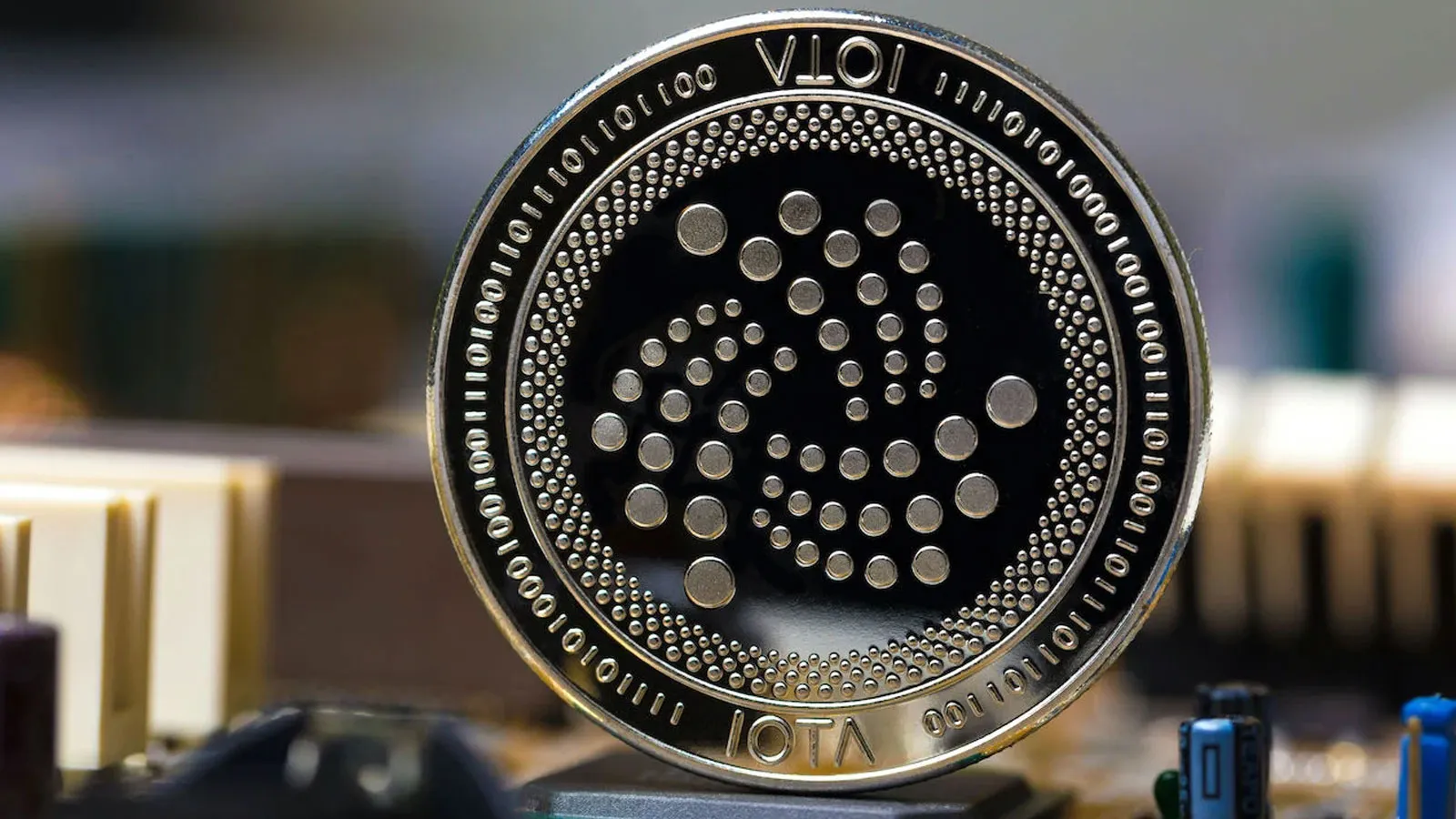
- IOTA’s 2026 roadmap prioritizes government and institutional adoption through trade infrastructure.
- The TWIN network aims to digitize trade documents, shipment tracking, and cross-border data sharing.
- Pilot programs in Africa and Europe highlight early real-world use cases for blockchain-based trade systems.
As blockchain projects continue to mature, many are shifting their focus from speculative markets to practical applications. IOTA is taking that path with a new strategy aimed squarely at governments, enterprises, and international trade systems.
According to the project’s 2026 roadmap, IOTA plans to position its technology as a foundation for digital trade infrastructure. The initiative focuses on digitizing trade documentation, improving cross-border data sharing, and helping institutions modernize global supply chains. At the center of this plan is the Trade Worldwide Information Network (TWIN), designed to streamline how trade data moves between organizations and countries.
Addressing Inefficiencies in Global Trade
Global trade is expected to surpass $35 trillion in value, yet much of the industry still relies on outdated processes. Paper documents, manual verification, and fragmented systems continue to slow cross-border transactions.
Every day, billions of trade documents circulate worldwide, creating bottlenecks that increase costs and delay shipments. IOTA’s approach is to digitize these documents and connect them through a neutral public network.
TWIN enables verifiable credentials, shipment tracking, and secure document exchange. The system also creates auditable records that allow institutions to verify trade data more efficiently. By linking trade information across borders, the network aims to reduce repeated checks and speed up financing for global trade operations.
At the World Crypto Forum in South Korea, IOTA co-founder Dominik Schiener described TWIN as a tool capable of accelerating trade finance by improving data transparency and trust between parties.
Trade Pilots Expand Across Africa and Europe
Early deployments are already underway. In Kenya, the TWIN network is integrated with the country’s trade system, initially supporting flower exports before expanding to additional commodities.
Trials have also taken place in the United Kingdom, where TWIN tracked poultry shipments transported from Poland to the UK. These pilot programs demonstrate how distributed ledger technology can monitor goods, manage documentation, and verify supply chain data in real time.
More pilot projects are expected within the next year across Africa, Europe, Southeast Asia, and North America as governments and trade organizations explore digital infrastructure solutions.
ADAPT Initiative Aims to Modernize African Trade
Another pillar of IOTA’s strategy is the ADAPT initiative, led by the African Continental Free Trade Area Secretariat in partnership with the Tony Blair Institute for Global Change and the World Economic Forum.
The program aims to modernize trade across Africa by connecting digital identity, trade data, and financial systems through shared infrastructure. By streamlining border procedures and digitizing documentation, ADAPT hopes to reduce customs delays and lower cross-border payment costs.
Beyond trade logistics, IOTA is also building enterprise tools for tokenization, digital identity, and asset verification. These technologies could support customs workflows, supplier authentication, digital product passports, and trade finance systems.
Also Read: 14 Dutch Startups, One Big Stage: IOTA Identity Tech Debuts at Forum InCyber
IOTA’s 2026 strategy reflects a broader shift within the blockchain industry—from speculative trading to real-world infrastructure. By focusing on trade systems, supply chains, and government partnerships, the project aims to position its network as a backbone for digital global commerce.
If successful, even small levels of adoption could generate significant network activity. The IOTA team estimates that digitizing just 1% of global cross-border shipments could result in hundreds of millions of annual transactions, highlighting the potential scale of blockchain in international trade.
Disclaimer: The information in this article is for general purposes only and does not constitute financial advice. The author’s views are personal and may not reflect the views of Chain Affairs. Before making any investment decisions, you should always conduct your own research. Chain Affairs is not responsible for any financial losses.

I’m your translator between the financial Old World and the new frontier of crypto. After a career demystifying economics and markets, I enjoy elucidating crypto – from investment risks to earth-shaking potential. Let’s explore!