|
Getting your Trinity Audio player ready...
|
- Bitcoin offers Taiwan a hedge against military blockades and dollar volatility.
- Central bank concerns about liquidity and volatility are manageable with expertise.
- Taiwan already holds 210 Bitcoin, testing its use in digital asset frameworks.
Amid growing geopolitical tensions, Taiwan faces an urgent question: should it consider Bitcoin as part of its national reserves? Jacob Langenkamp, research fellow at the Bitcoin Policy Institute, argues that Bitcoin offers Taiwan a unique safeguard against potential crises, including the looming threat of Chinese military action.
Bitcoin as Geopolitical Insurance
Langenkamp’s recent report highlights a stark reality: in the event of a blockade or invasion, traditional reserve assets like gold could be stranded, and U.S. dollar reserves might face restrictions. Bitcoin, by contrast, remains fully accessible without the need for physical transport. “Uniquely for Taiwan, Bitcoin provides geopolitical resilience,” he explained.
The argument centers on the digital currency’s portability and independence from centralized control, making it an appealing tool for nations seeking to protect their financial sovereignty during global turmoil.

US Dollar Vulnerabilities
Taiwan’s reliance on U.S. dollars—over 80% of its central bank reserves and trade are USD-denominated—exposes the country to risks from dollar debasement. Langenkamp points to rising U.S. debt, Federal Reserve monetary expansion, potential AI-driven market downturns, and declining semiconductor revenues as factors that could weaken the dollar.
He suggests that Bitcoin, combined with gold, could offer a hedge against this risk. Early adoption could allow Taiwan to gain monetary resilience while potentially benefiting from future price appreciation.
Addressing Volatility Concerns
Concerns about Bitcoin’s volatility and liquidity have kept Taiwan’s central bank from creating a national reserve. In December, it opted for the U.S. dollar, citing stability and ease of use. However, Langenkamp argues that these challenges are manageable with institutional expertise and will diminish as Bitcoin gains global adoption.
Also Read: Taiwan Considers Bitcoin for National Reserves Amid Currency Volatility
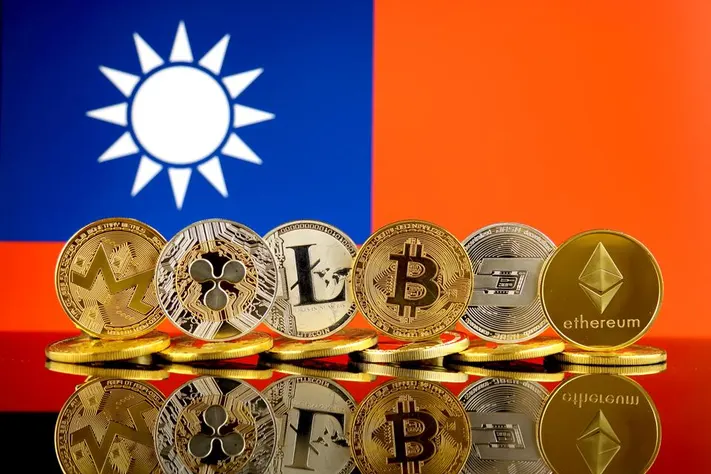
Currently, Taiwan holds at least 210 Bitcoin—confiscated during criminal investigations—worth around $14 million. While modest, this places Taiwan among the world’s top national Bitcoin holders, and the central bank is testing the technology further in a digital asset sandbox.
As global uncertainty rises, Bitcoin offers Taiwan both a potential hedge against financial volatility and a form of geopolitical insurance. While hurdles remain, the digital asset’s unique properties make it a tool worth considering for nations navigating an increasingly unpredictable world stage.
Disclaimer: The information in this article is for general purposes only and does not constitute financial advice. The author’s views are personal and may not reflect the views of Chain Affairs. Before making any investment decisions, you should always conduct your own research. Chain Affairs is not responsible for any financial losses.

I’m your translator between the financial Old World and the new frontier of crypto. After a career demystifying economics and markets, I enjoy elucidating crypto – from investment risks to earth-shaking potential. Let’s explore!