|
Getting your Trinity Audio player ready...
|
- Solana liquidity is rotating internally instead of exiting during market stress.
- DEX competition is rising, improving execution but increasing fragmentation.
- The network shows growing resilience despite exploits and market downturns.
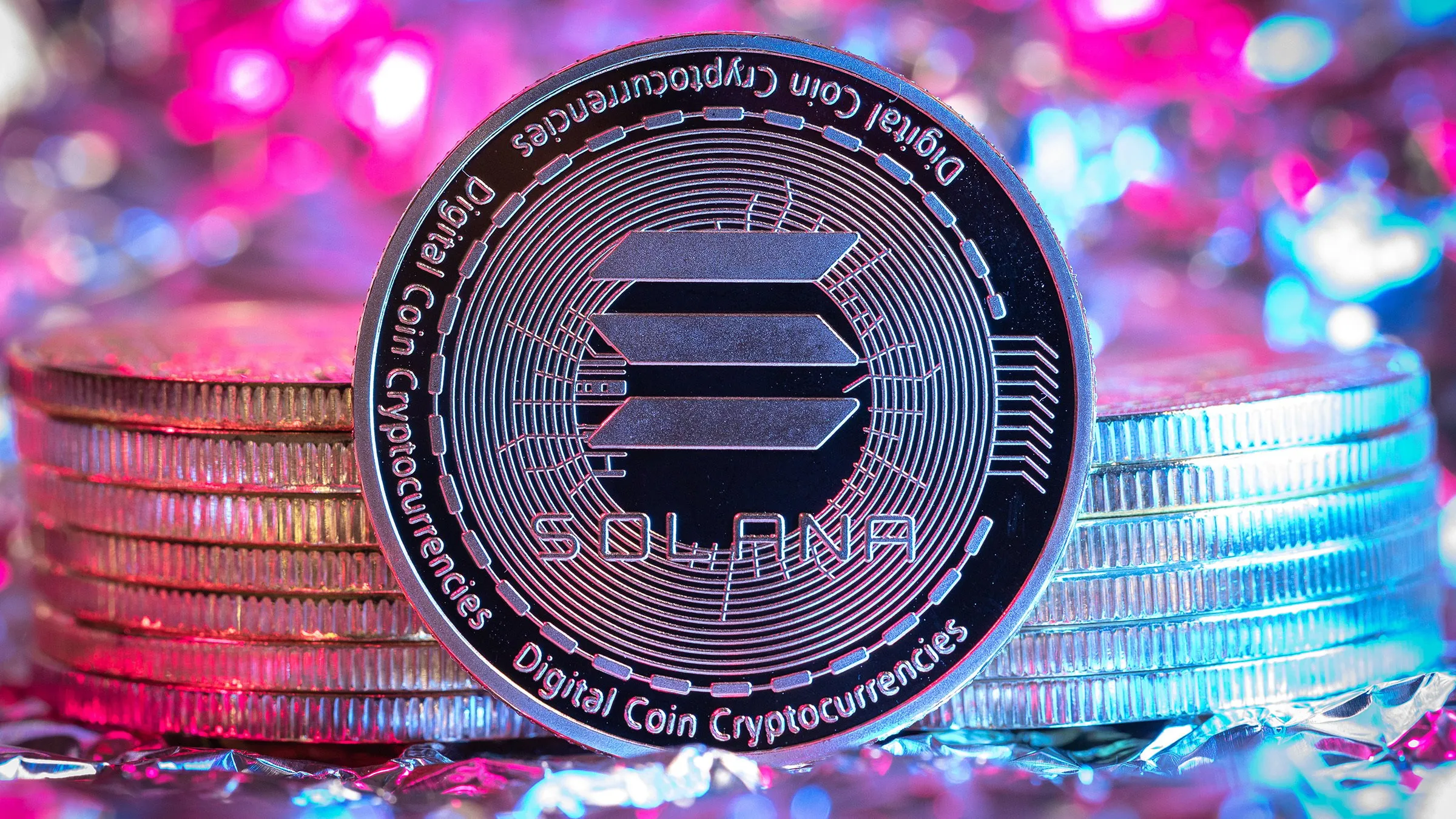
Solana’s liquidity dynamics are evolving, pointing to a more mature and resilient ecosystem. Instead of capital exiting during market stress, funds are increasingly rotating within the network. This shift is becoming a defining feature of Solana’s DeFi landscape, even as broader crypto markets face pressure.
Recent data highlights that SOL-denominated total value locked (TVL) has surpassed 80 million SOL, marking an all-time high. At the same time, decentralized exchange (DEX) activity remains strong, with February volumes reaching $95 billion. These figures suggest that while market conditions fluctuate, user engagement within Solana remains robust.
Internal Liquidity Rotation Strengthens Solana DeFi
A key trend underpinning this resilience is the internal movement of liquidity across protocols. Instead of withdrawing funds entirely, users are reallocating capital between platforms like Kamino, Raydium, and Jupiter.
Even with a 15% monthly dip, TVL stands at $5.55 billion, reflecting stability rather than large-scale outflows. Daily trading volumes frequently exceed $900 million, reinforcing the idea that liquidity continues to circulate within the ecosystem.
This behavior indicates a structural shift. Solana’s stability is no longer tied solely to retaining capital but increasingly depends on how efficiently liquidity moves between platforms. In practical terms, users are staying within the network while seeking better yields, pricing, or risk management.
Rising Competition Reshapes DEX Routing
The internal rotation of capital is also transforming how trades are executed. Jupiter, once the dominant aggregator, controlled roughly 82% of routing flow in March. However, its share has begun to decline, reaching its lowest level since late 2025.
At the same time, newer players like Titan are gaining traction, with market share climbing to 7.3%—its highest since launch. This signals that users are exploring alternatives based on execution quality and pricing efficiency rather than relying on a single dominant platform.

While this growing competition improves trade execution for users, it also introduces some fragmentation. Protocols now face tighter margins and greater pressure to innovate, marking a shift from dominance to performance-driven competition.
Solana Absorbs Shocks Without Major Outflows
Solana’s evolving liquidity structure is particularly evident during periods of stress. Following the $285 million Drift exploit, TVL dropped to $5.55 billion, with a short-term decline of over 10%. However, excluding the impact of the hack, losses were closer to 8%, suggesting that users largely stayed within the ecosystem.

Rather than exiting entirely, capital appears to be shifting across chains and protocols. Ethereum and BNB Chain both recorded modest gains during the same period, reflecting broader DeFi rotation instead of panic-driven withdrawals.
Also Read: Solana vs Ethereum Staking: Key Differences and Best Rewards for Lower Risk in 2026
Solana’s ability to retain its position as the second-largest DeFi ecosystem underscores this resilience. Multiple venues and competitive routing allow users to reposition funds quickly without abandoning the network.
Solana’s liquidity behavior is entering a new phase defined by internal competition and efficient capital movement. The rise of alternative routing platforms and consistent on-chain activity signal a maturing ecosystem. While risks such as exploits still influence user confidence, Solana’s ability to absorb shocks without significant capital flight highlights growing structural strength.
Disclaimer: The information in this article is for general purposes only and does not constitute financial advice. The author’s views are personal and may not reflect the views of Chain Affairs. Before making any investment decisions, you should always conduct your own research. Chain Affairs is not responsible for any financial losses.

I’m your translator between the financial Old World and the new frontier of crypto. After a career demystifying economics and markets, I enjoy elucidating crypto – from investment risks to earth-shaking potential. Let’s explore!