|
Getting your Trinity Audio player ready...
|
As part of its ongoing efforts to reduce the dominance of the US dollar in global trade, Russia is in discussions with Myanmar to establish a local currency payment system for bilateral trade. This ambitious initiative, part of Russia’s broader de-dollarization strategy, aligns with the objectives of the BRICS bloc to diminish reliance on the dollar and strengthen local currencies for cross-border transactions.
Russian and Myanmar officials are negotiating the use of their respective local currencies—the ruble and kyat—by bypassing the US dollar in future trade. Myanmar’s Foreign Economic Relations Minister, Kan Zaw, confirmed that talks are ongoing to implement a kyat-ruble payment system, emphasizing the importance of strengthening bilateral trade between the two nations.
“We have been negotiating the kyat-ruble payment system to facilitate the bilateral trade,” said Minister Kan Zaw. “The central banks of both countries have kept the current discussions at a low profile,” he added, indicating that the negotiations are still in the early stages. However, the potential impact of such an agreement would be significant for both Myanmar and Russia, bolstering the use of local currencies and enhancing economic sovereignty.
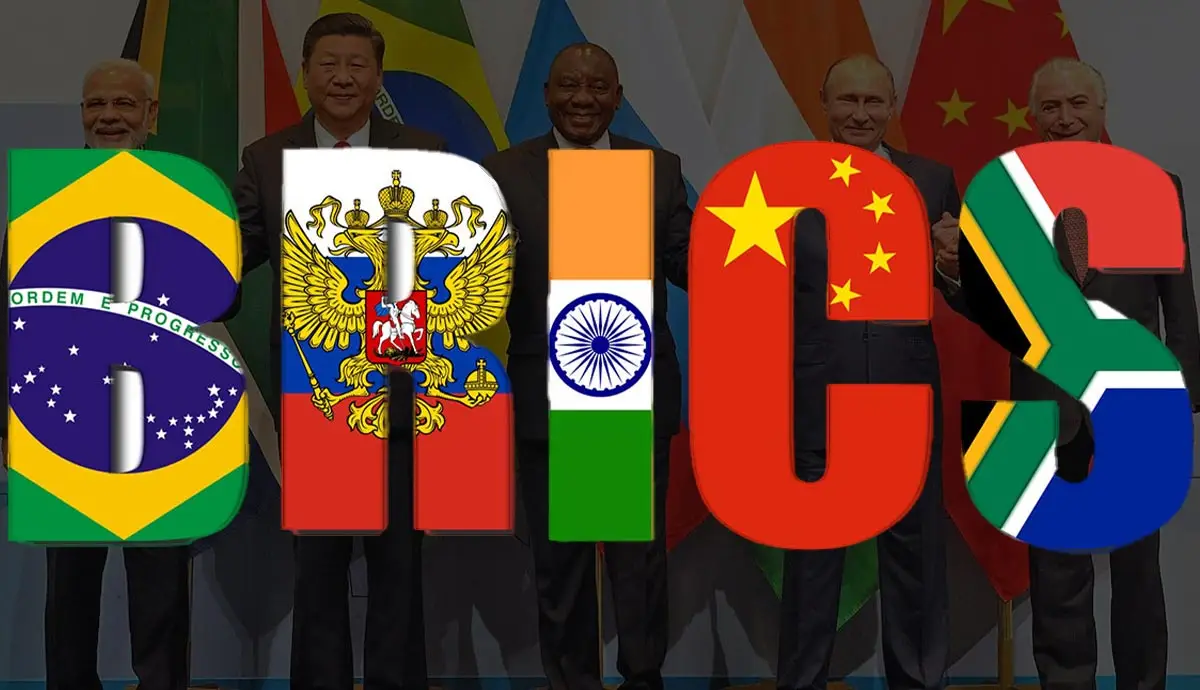
This move is a clear step toward fulfilling the BRICS agenda of reducing US dollar dominance, which has been a growing concern among emerging economies. BRICS members, including Brazil, Russia, India, China, and South Africa, have increasingly focused on shifting trade toward their own currencies, with Russia and Iran already planning to sign a defense deal that also excludes the US dollar.
Also Read: Russian Nationals Indicted for Operating Blender.io and Sinbad.io in Money Laundering Scheme
The shift toward local currencies is seen as part of a broader global trend to challenge the US dollar’s supremacy in international trade. As BRICS pushes this initiative forward, the growing use of currencies like the ruble, rial, and kyat could disrupt the future of global finance, signaling a significant shift away from the US dollar’s long-held dominance.
Disclaimer: The information in this article is for general purposes only and does not constitute financial advice. The author’s views are personal and may not reflect the views of Chain Affairs. Before making any investment decisions, you should always conduct your own research. Chain Affairs is not responsible for any financial losses.

I’m your translator between the financial Old World and the new frontier of crypto. After a career demystifying economics and markets, I enjoy elucidating crypto – from investment risks to earth-shaking potential. Let’s explore!