|
Getting your Trinity Audio player ready...
|
- Fed officials are divided on rate cuts, with inflation remaining the key deciding factor.
- Middle East tensions are adding uncertainty to economic forecasts and policy decisions.
- Rate hikes are still possible if inflation stays above target, signaling a cautious outlook.
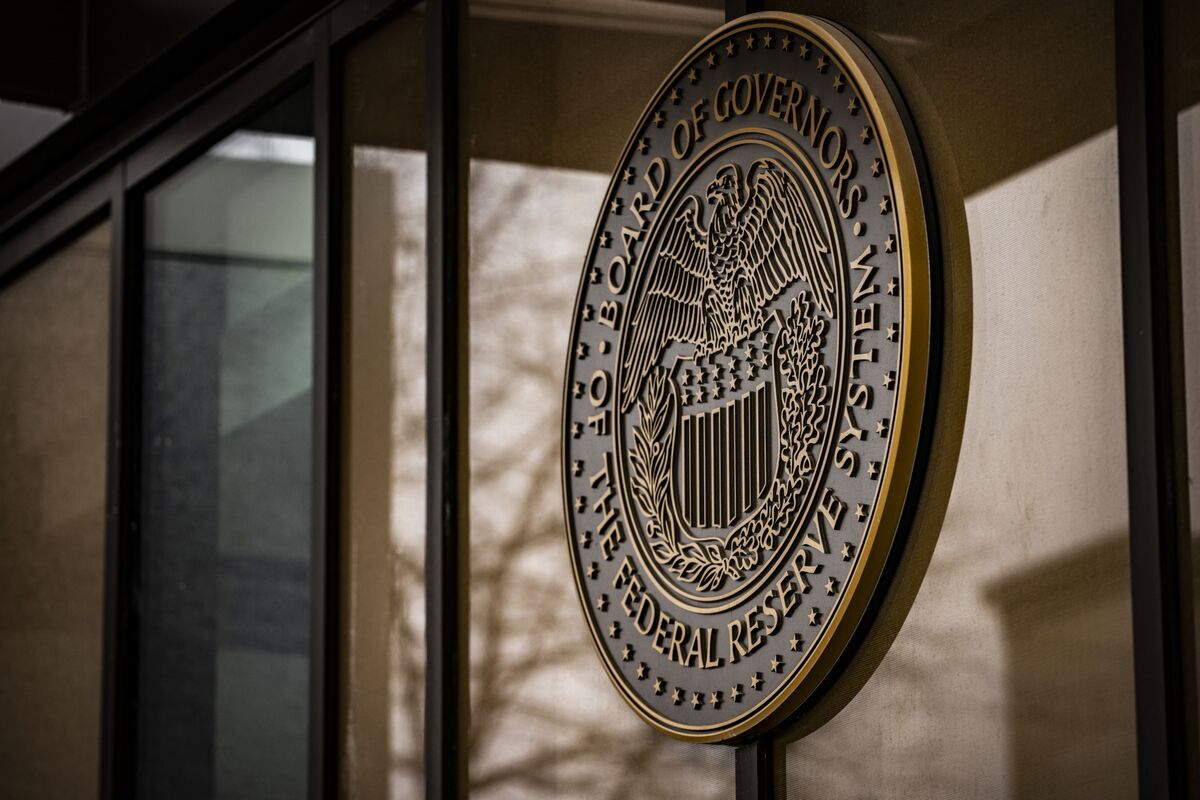
The Federal Reserve is navigating a delicate balancing act as global tensions and inflation risks complicate its path forward. Minutes from the March meeting of the Federal Open Market Committee (FOMC) show policymakers divided on whether interest rate cuts could materialize before the end of 2026.
While officials ultimately voted 11-1 to hold rates steady at 3.5% to 3.75%, the discussion revealed growing uncertainty tied to geopolitical risks, particularly the ongoing conflict in the Middle East.
Rate Cuts Hinge on Inflation Trends
According to the meeting minutes, many policymakers believe rate cuts could still happen—but only if inflation continues to ease. The Fed has remained cautious after its last rate cut in December 2025, when it trimmed borrowing costs by 25 basis points.
Officials noted that lowering rates would likely become appropriate over time if price pressures fall in line with expectations. However, inflation remains the key variable. Any unexpected surge could delay or even derail plans to ease monetary policy.
This cautious stance reflects the Fed’s broader goal: ensuring inflation moves sustainably toward its target without reigniting economic instability.
Middle East Conflict Adds Economic Uncertainty
Geopolitical tensions are adding another layer of complexity. Policymakers acknowledged it is still unclear how developments in the Middle East could impact the U.S. economy.
Rising energy prices, supply chain disruptions, or broader financial instability could all influence inflation and growth. As a result, Fed officials emphasized that it is “too early” to determine the full economic consequences of the conflict.
This uncertainty is one reason the central bank is holding off on making firm commitments about future rate moves.
Possibility of Rate Hikes Still Exists
Despite expectations of eventual rate cuts, some policymakers warned that further tightening could still be necessary. If inflation remains above target, the Fed may need to raise rates again—highlighting a “two-sided” risk outlook.
Concerns also extend to the labor market. Officials flagged weak job growth as a vulnerability, noting that employment conditions could deteriorate if economic shocks intensify.
Market expectations reflect this cautious sentiment. Data from CME Group suggests a strong likelihood that rates will remain unchanged through December, with smaller probabilities assigned to cuts or hikes.
Also Read: Kraken Joins Federal Reserve Payment System – Bitcoin Soars: Key Takeaways
The Fed’s latest signals point to a wait-and-see approach. While rate cuts remain possible, they are far from guaranteed. Inflation trends, geopolitical developments, and labor market resilience will ultimately shape the central bank’s next move.
For crypto markets, which often benefit from lower rates and increased liquidity, the message is clear: optimism should be tempered with caution.
Disclaimer: The information in this article is for general purposes only and does not constitute financial advice. The author’s views are personal and may not reflect the views of Chain Affairs. Before making any investment decisions, you should always conduct your own research. Chain Affairs is not responsible for any financial losses.

I’m your translator between the financial Old World and the new frontier of crypto. After a career demystifying economics and markets, I enjoy elucidating crypto – from investment risks to earth-shaking potential. Let’s explore!