|
Getting your Trinity Audio player ready...
|
- Fed kept rates at 3.5%–3.75% but still signals one cut in 2026.
- Inflation outlook raised to 2.7% due to surging oil prices.
- Bitcoin drops as markets doubt Fed’s rate cut timeline.
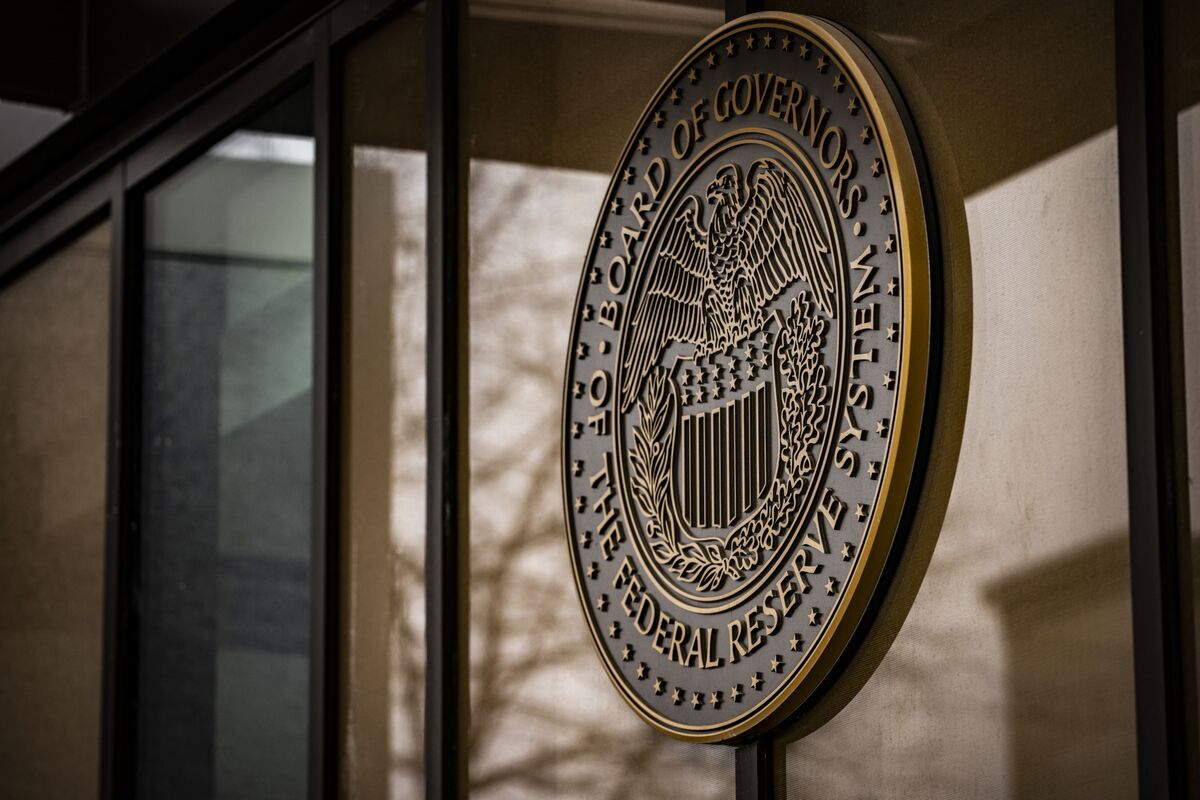
The Federal Open Market Committee (FOMC) kept interest rates unchanged in its March 2026 meeting, signaling caution as inflation pressures resurface and global risks intensify. While policymakers maintained their outlook for a rate cut later this year, markets remain unconvinced, highlighting a growing disconnect between the Federal Reserve and investor expectations.
Rates on Hold as Economic Growth Persists
Officials voted to keep the benchmark rate within the 3.5% to 3.75% range, a widely anticipated move. The central bank noted that U.S. economic activity continues to expand at a steady pace, despite lingering uncertainties tied to geopolitical tensions and rising energy costs.
Jerome Powell acknowledged that elevated oil prices could weigh on growth, particularly as the ongoing Iran-related conflict shows no clear resolution. Still, Powell pushed back against concerns of stagflation, emphasizing that inflation is expected to ease gradually—even if progress is slower than previously hoped.
Inflation Forecasts Revised Higher
A key takeaway from the meeting was the upward revision in inflation projections. The Fed now expects Personal Consumption Expenditures (PCE) inflation to rise to 2.7%, up from earlier estimates near 2.4%–2.5%.
The increase reflects a surge in oil prices, with WTI crude oil nearing $97 per barrel and Brent crude oil climbing above $112. Analysts warn that sustained energy price pressure could push broader inflation higher, complicating the Fed’s policy path.
Recent data supports this concern. Producer Price Index (PPI) inflation came in hotter than expected, with core PPI reaching its highest level since early 2023. Some models now suggest U.S. CPI could approach 3.4% if energy costs remain elevated.
Rate Cut Outlook Sparks Debate
Despite the inflation risks, the Fed maintained its projection for one rate cut in 2026 and another in 2027. However, market pricing tells a different story. According to the CME Group FedWatch tool, traders see no rate cuts this year, instead pushing expectations into mid-2027.
Powell described the current environment as a delicate balancing act. On one side, weakening labor market risks could justify lower rates. On the other, persistent inflation pressures argue for holding policy tight for longer.
Crypto markets reacted swiftly to the Fed’s cautious stance. Bitcoin dropped more than 4% over the past 24 hours, falling toward the $70,000 level as traders reassessed risk appetite. Trading volumes also surged, reflecting heightened market volatility.
Also Read: Will Bitcoin Crash? FOMC Minutes Threaten to Reset 2026 Rate Cut Hopes
The decline underscores how sensitive digital assets remain to macroeconomic signals, particularly shifts in interest rate expectations and inflation outlooks.
The March FOMC meeting reinforced a central theme shaping global markets: uncertainty. While the Fed remains cautiously optimistic about inflation cooling, rising oil prices and geopolitical risks complicate the path forward. With policymakers and markets diverging on rate cut timing, volatility across traditional and crypto assets may persist in the months ahead.
Disclaimer: The information in this article is for general purposes only and does not constitute financial advice. The author’s views are personal and may not reflect the views of Chain Affairs. Before making any investment decisions, you should always conduct your own research. Chain Affairs is not responsible for any financial losses.

I’m your translator between the financial Old World and the new frontier of crypto. After a career demystifying economics and markets, I enjoy elucidating crypto – from investment risks to earth-shaking potential. Let’s explore!