
|
Getting your Trinity Audio player ready...
|
- AI-assisted coding could dramatically speed up Ethereum’s long-term roadmap.
- Security and verification remain the biggest challenges despite faster development.
- Account abstraction may make Ethereum more user-friendly and flexible.
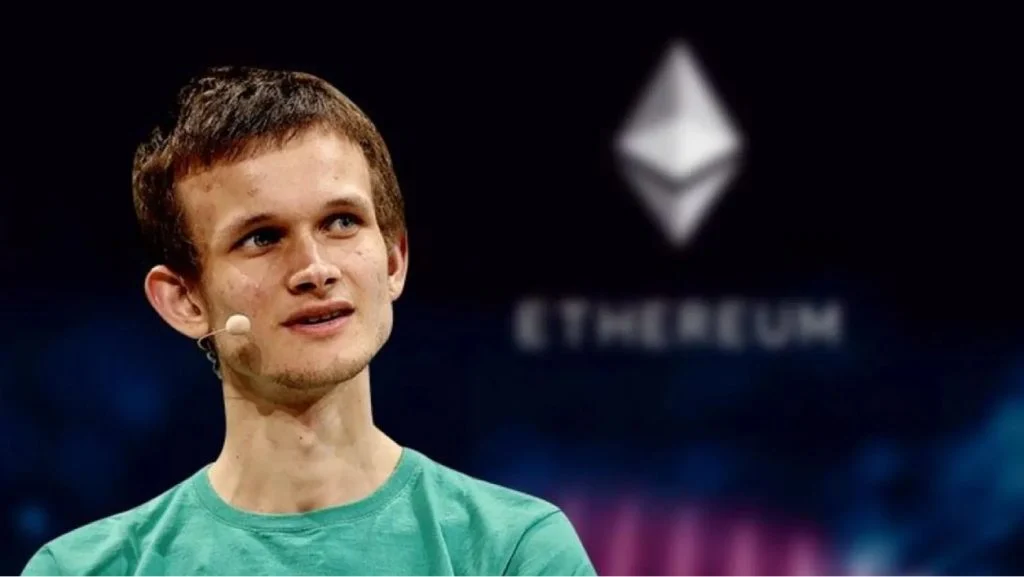
The biggest criticism of Ethereum was not its ambition but its pace. Its long-term roadmap often felt distant, with major upgrades projected far into the future. That perception may now be shifting. Recent remarks from co-founder Vitalik Buterin suggest the network could begin evolving at what he calls “AI speed,” signaling a potential turning point in how blockchain infrastructure is built.
AI Coding Experiment Shows Unexpected Results
A recent experiment using AI-driven development tools produced a working Ethereum client prototype aligned with long-term roadmap goals in just two weeks. The project reportedly generated hundreds of thousands of lines of code while covering dozens of development objectives.
The result surprised even longtime observers. Until recently, the idea that autonomous AI agents could build software capable of syncing with Ethereum’s mainnet seemed unrealistic. Now it appears technically possible, though still far from production-ready.
Buterin emphasized that AI cannot replace human developers. Bugs, inconsistencies, and security risks remain unavoidable. Still, he noted that debugging and verification processes could become dramatically faster, potentially allowing teams to iterate more thoroughly than before.
Security Remains the Central Challenge
Speed alone is not enough. Ethereum’s reliability has always depended on slow, deliberate auditing. Compressing years of work into weeks introduces new risks, particularly if verification tools fail to keep up.
Buterin’s proposed solution is balance: use only part of the time savings to accelerate development while dedicating the rest to deeper security checks. Perfect security may be unattainable, but he believes targeted verification methods could eliminate the vast majority of potential failures.
This approach reflects a broader shift in thinking — AI should enhance resilience, not simply push code out faster.
Account Abstraction Signals Real Progress
Beyond AI experimentation, Ethereum’s roadmap is also advancing in tangible ways. Account abstraction, a long-anticipated feature, is now expected to arrive with a 2026 network upgrade. The change will introduce smart accounts that simplify transactions and enable features such as multi-signature wallets, flexible key management, and alternative fee payments.
The upgrade could make Ethereum significantly more user-friendly while strengthening privacy and automation tools. Developers see it as a foundational step toward making blockchain systems accessible to mainstream users.
Despite these technical advances, market confidence remains cautious. Data from Santiment shows developer activity rising sharply even as trader sentiment stays uncertain. In short, builders are accelerating while investors remain watchful.
Also Read: PUMP Rallies, Ethereum Leverage Drops: 3 Signals Reshaping Crypto Markets Now
Meanwhile, industry leaders such as the CEO of Circle argue that AI-driven economies will require stronger digital payment infrastructure — an area where Ethereum could play a central role.
Ethereum’s future may no longer be measured in decades. AI-assisted development, combined with long-planned upgrades, suggests the network could evolve far faster than previously expected. The challenge now is ensuring that speed does not come at the expense of security — because for blockchain infrastructure, trust remains the ultimate metric of success.
Disclaimer: The information in this article is for general purposes only and does not constitute financial advice. The author’s views are personal and may not reflect the views of Chain Affairs. Before making any investment decisions, you should always conduct your own research. Chain Affairs is not responsible for any financial losses.

I’m your translator between the financial Old World and the new frontier of crypto. After a career demystifying economics and markets, I enjoy elucidating crypto – from investment risks to earth-shaking potential. Let’s explore!