|
Getting your Trinity Audio player ready...
|
- Zhao’s attorney denies political influence, citing compliance issues.
- USD1 token involvement does not indicate favoritism.
- Lawmakers demand transparency and regulatory clarity in crypto enforcement.
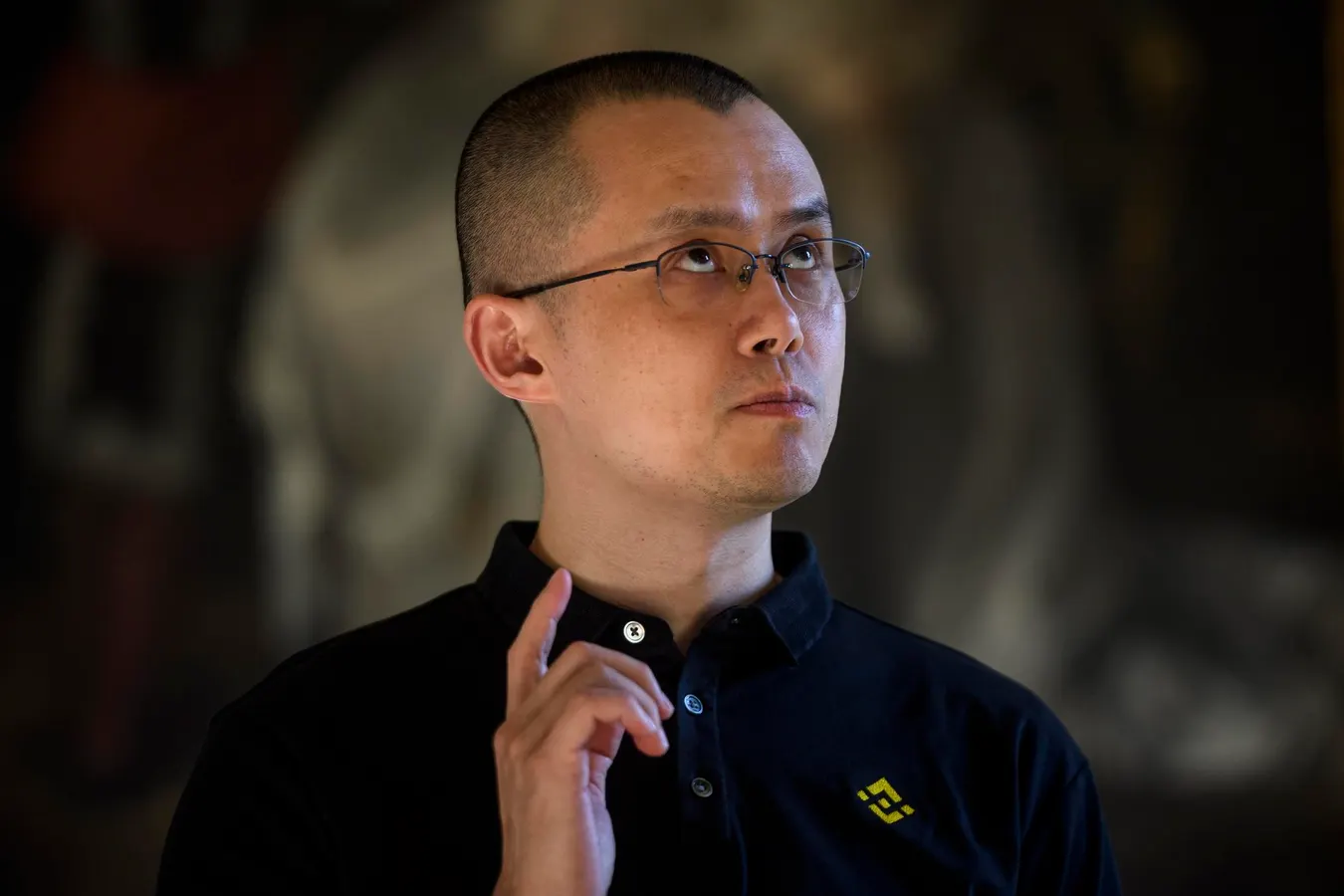
Changpeng Zhao, the former Binance CEO, remains at the center of a heated debate after receiving a presidential pardon. Teresa Goody Guillén, Zhao’s personal attorney, recently challenged claims suggesting the pardon was influenced by political connections. Guillén clarified that Zhao’s legal troubles stemmed from compliance failures, not money laundering, and criticized reports relying on indirect sources that fueled confusion. She emphasized that prosecutors applied unusually high pressure on Zhao compared to other financial executives facing similar regulatory violations.
USD1 Token Controversy: Separating Fact From Fiction
The pardon drew additional scrutiny due to its alleged connection to USD1, a token issued by World Liberty Financial and listed on Binance. Critics suggested Zhao benefited from the token’s involvement in a $2 billion MGX deal. Guillén dismissed these claims, noting that USD1 operates across multiple blockchain networks and is supported by several exchanges, weakening suggestions of any exclusive or improper arrangement. She further explained that open blockchain systems allow multiple entities to use and list the same asset, meaning its presence on Binance does not imply a special relationship with Zhao or Trump-affiliated ventures.
Lawmakers Call for Transparency
The decision has prompted significant political pushback. Democratic lawmakers, including Senator Elizabeth Warren, Bernie Sanders, and Representative Maxine Waters, have demanded clarity from the Justice Department on the pardon process. Concerns center on the precedent set for white-collar enforcement and potential regulatory leniency toward crypto platforms. Representative Ro Khanna has proposed legislation aimed at preventing elected officials from owning or launching digital assets, reflecting growing skepticism of the industry’s ties to political figures.
Also Read: Changpeng Zhao Focuses on YZi Labs After Trump Pardon as Binance Return Looks Unlikely
White House Response and Zhao’s Future
While the White House defended the pardon, Trump himself stated he was largely unaware of Zhao’s background, framing the case as politically charged. Zhao will not return to Binance due to ongoing U.S. regulatory restrictions, including oversight from the DOJ, CFTC, FinCEN, and OFAC. Binance continues to operate under a Treasury Department monitor and cannot serve U.S. customers, underscoring the limits of the pardon’s practical impact.
The controversy surrounding Zhao’s pardon underscores the intersection of crypto, politics, and regulation. While his attorney rejects claims of special treatment, lawmakers and critics continue to demand transparency, highlighting ongoing tensions in the evolving regulatory landscape.
Disclaimer: The information in this article is for general purposes only and does not constitute financial advice. The author’s views are personal and may not reflect the views of Chain Affairs. Before making any investment decisions, you should always conduct your own research. Chain Affairs is not responsible for any financial losses.

I’m your translator between the financial Old World and the new frontier of crypto. After a career demystifying economics and markets, I enjoy elucidating crypto – from investment risks to earth-shaking potential. Let’s explore!