
|
Getting your Trinity Audio player ready...
|
- BRICS Grain Exchange pilot launches in 2026, full rollout in 2027.
- Could surpass $1 trillion in trade, reducing reliance on Western pricing.
- High-tech platform strengthens food security and regional cooperation.
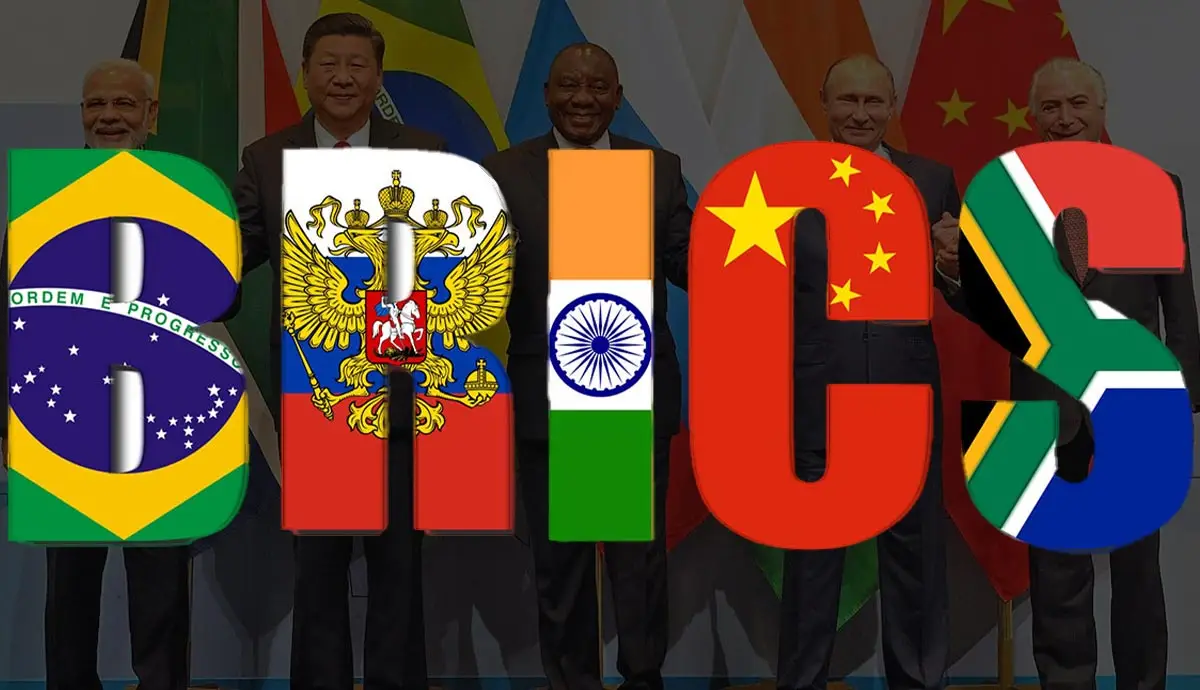
BRICS nations are moving rapidly toward launching a dedicated grain exchange, with Russia planning a pilot program in 2026 and a full rollout targeted for 2027. The initiative, endorsed at the 2024 BRICS summit in Kazan, signals a strategic shift in global agricultural trade, aiming to reduce reliance on Western pricing mechanisms and strengthen food security among member states.
A Direct Challenge to the CME
The proposed BRICS Grain Exchange directly contests the dominance of the Chicago Mercantile Exchange (CME) in global grain pricing. Russian Deputy Prime Minister Dmitri Patrushev and Indian Prime Minister Narendra Modi have held discussions on the timeline and structure, with accelerated plans reportedly influenced by recent U.S. tariff hikes.
President Vladimir Putin emphasized the exchange’s importance, stating that BRICS countries collectively produce 44% of the world’s grains, legumes, and oilseeds. By creating transparent price discovery systems, the exchange aims to shield national markets from speculation, artificial shortages, and external interference.
Technological and Market Innovations
Eduard Zernin, Chairman of the Russian Union of Grain Exporters, envisions the exchange as a high-tech digital marketplace connecting producers directly with consumers across BRICS nations. With potential trading volumes exceeding $1 trillion, the platform could become one of the largest global agricultural markets, significantly boosting BRICS’ influence on food security and international trade.
India’s participation aligns with national goals for food sovereignty, offering farmers alternative export markets and reducing dependence on CME pricing. Discussions continue on currency mechanisms, infrastructure, and cross-border regulatory frameworks to ensure smooth operations.
Also Read: XRP Ledger Cited in BRICS Report on Smart Contracts and Trade Finance
Strategic and Global Implications
The BRICS Grain Exchange is more than a trading platform; it’s a geopolitical statement. By diversifying grain trade channels, member states aim to reduce vulnerability to Western economic leverage while enhancing market efficiency and regional cooperation. Complementary initiatives, such as Brazil’s proposed multilateral grain stockpile, further underscore BRICS’ commitment to resilient food systems and stable global supply chains.
The 2026 pilot and 2027 full launch mark a potentially transformative moment for global agriculture. Analysts predict the BRICS Grain Exchange could reshape commodity markets, challenging long-standing pricing norms and strengthening the bloc’s role in global trade.
Disclaimer: The information in this article is for general purposes only and does not constitute financial advice. The author’s views are personal and may not reflect the views of Chain Affairs. Before making any investment decisions, you should always conduct your own research. Chain Affairs is not responsible for any financial losses.

I’m your translator between the financial Old World and the new frontier of crypto. After a career demystifying economics and markets, I enjoy elucidating crypto – from investment risks to earth-shaking potential. Let’s explore!