
|
Getting your Trinity Audio player ready...
|
- BRICS is moving from planning to deploying alternatives to dollar-based trade.
- India’s 2026 presidency emphasizes financial cooperation and AI governance.
- The dollar remains dominant, but long-term pressure is building.
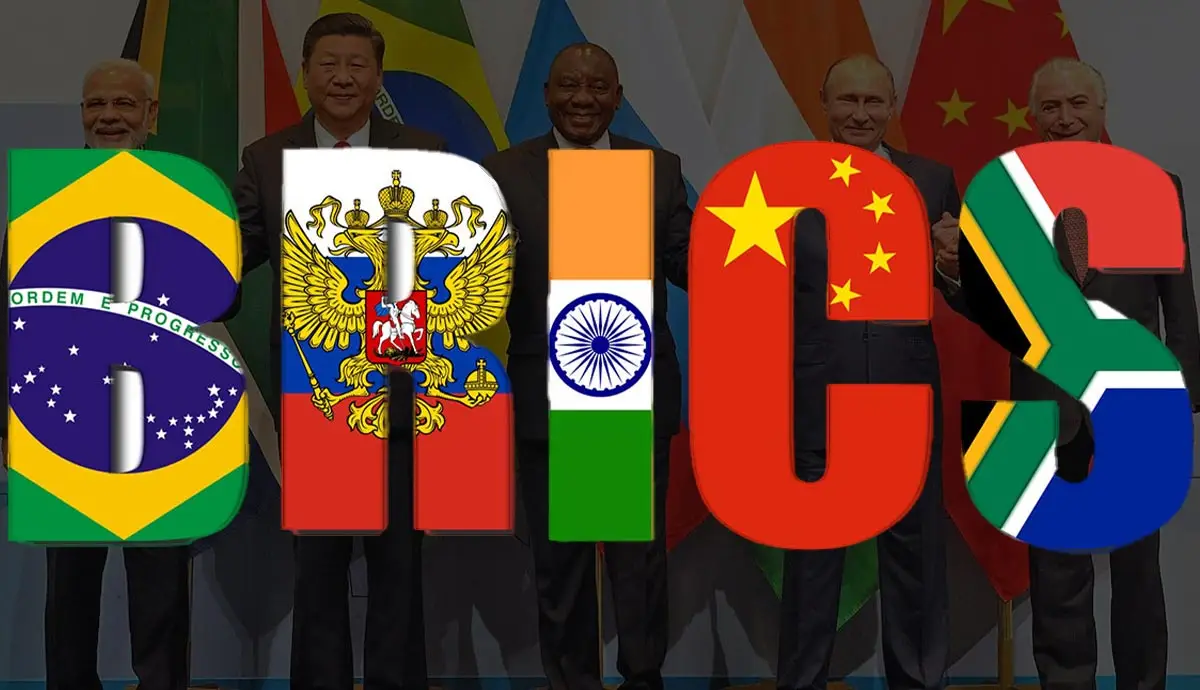
The BRICS alliance is moving from discussion to execution in its long-running effort to reduce dependence on the U.S. dollar, a shift that could reshape global finance over the coming decade. As India takes over the bloc’s presidency, de-dollarization, financial cooperation, and technology governance have emerged as central pillars of the BRICS 2026 agenda.
The renewed focus has drawn attention from investors and policymakers alike, especially as concerns grow over the long-term role of the dollar in a world marked by rising geopolitical tension and shifting economic power.
Why BRICS Is Challenging Dollar Dominance
Author and investor Robert Kiyosaki recently warned that the U.S. dollar could face a slow decline as emerging economies seek alternatives. His argument centers on history: previous attempts to challenge dollar-based oil trade were forcefully reversed, but BRICS nations are far larger, more coordinated, and economically resilient.
Unlike smaller states of the past, BRICS members hold significant global influence. Their combined economies are expanding faster than those of the G7, where growth forecasts remain modest. This divergence has strengthened calls within the bloc to settle trade in local currencies rather than rely on the dollar.
India’s 2026 Vision: From Planning to Deployment
Under India’s leadership, BRICS is shifting toward practical implementation. The 2026 theme emphasizes resilience, innovation, and sustainability, with de-dollarization now entering an execution phase. Local currency trade is expanding through alternative payment systems, while the New Development Bank aims to fund a growing share of loans in member currencies.
Efforts are also underway to link central bank digital currencies, offering cross-border settlement options that bypass traditional dollar-based systems like SWIFT. These steps reflect a broader strategy to reduce exposure to currency risk and sanctions.
Also Read: Bitcoin Faces CPI Test as Senate Reignites Crypto Clarity Act Push
Financial Cooperation Meets AI Governance
Beyond currency policy, technology has become a major focus. BRICS leaders are working to establish shared principles for artificial intelligence governance, aiming to balance innovation with sovereignty and ethical standards. India has framed AI as a tool for inclusive growth, advocating for global frameworks shaped by emerging economies rather than imported wholesale from the West.
At the same time, BRICS nations are increasing gold reserves and reducing holdings of U.S. Treasuries, reinforcing their push for financial independence.
Dollar Still Dominant—for Now
Despite tangible progress, analysts caution that the dollar’s global role will not disappear overnight. Market depth, liquidity, and internal differences within BRICS limit how fast alternatives can scale. Still, many expect gradual erosion rather than sudden collapse.
As BRICS accelerates its de-dollarization agenda in 2026, the message is clear: the global financial system is entering a more multipolar phase, even if the dollar remains central in the near term.
Disclaimer: The information in this article is for general purposes only and does not constitute financial advice. The author’s views are personal and may not reflect the views of Chain Affairs. Before making any investment decisions, you should always conduct your own research. Chain Affairs is not responsible for any financial losses.

I’m your translator between the financial Old World and the new frontier of crypto. After a career demystifying economics and markets, I enjoy elucidating crypto – from investment risks to earth-shaking potential. Let’s explore!


