|
Getting your Trinity Audio player ready...
|
- Binance strongly denies claims of Iran-linked transactions and investigator dismissals
- The dispute highlights continued scrutiny of stablecoins and sanctions risks
- Compliance transparency remains critical for rebuilding crypto market trust
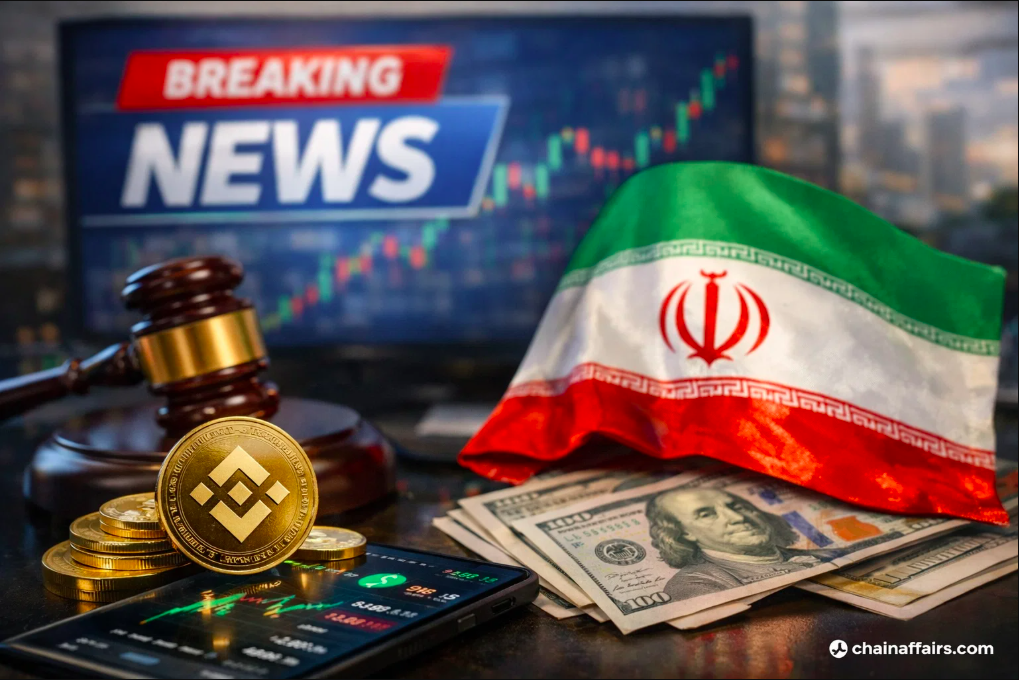
Crypto exchange Binance has strongly rejected claims that its internal investigators uncovered more than $1 billion in transactions tied to Iranian entities and were later dismissed for raising concerns.
The allegations surfaced in a report by Fortune, which said compliance staff identified transfers involving Tether on the Tron blockchain between March 2024 and August 2025. According to the publication, several investigators with law-enforcement backgrounds were removed after flagging potential risks.
Binance disputes the report and says it contains serious inaccuracies.
Binance Pushes Back on Compliance Claims
In a public response, Binance Co-CEO Richard Teng stated the company found no sanctions violations and denied that any staff were dismissed for raising compliance concerns.
The exchange also confirmed that both internal teams and outside legal advisors reviewed the matter and found no evidence of breaches. Binance emphasized that it operates under whistleblower protections and strict employment regulations across multiple jurisdictions.
The company further insisted it has honored commitments made following its 2023 settlement with U.S. authorities and has strengthened monitoring systems, sanctions screening, and compliance controls since then.
Stablecoins and Sanctions Risks Remain in Focus
While Binance rejects the allegations, the situation highlights wider industry concerns about the use of stablecoins in sanctions evasion.
Blockchain analytics firms such as TRM Labs, Chainalysis, and Elliptic have previously reported increased use of USDT by sanctioned actors attempting to bypass traditional banking systems.
U.S. regulators, including the Office of Foreign Assets Control, have taken enforcement actions against exchanges linked to similar activity in the past, keeping scrutiny high across the sector.
Industry Trust Still Recovering
The dispute reflects ongoing tension between crypto firms and regulators as the industry attempts to rebuild credibility after several high-profile enforcement cases.
With no new regulatory action announced, the issue may ultimately hinge on transparency, reporting standards, and how compliance practices are evaluated in a rapidly evolving digital-asset market.
For now, the situation remains a clash of narratives — anonymous allegations versus firm corporate denials. Regardless of the outcome, the episode underscores how closely compliance practices and stablecoin flows are being watched as the crypto sector matures.
Disclaimer: The information in this article is for general purposes only and does not constitute financial advice. The author’s views are personal and may not reflect the views of Chain Affairs. Before making any investment decisions, you should always conduct your own research. Chain Affairs is not responsible for any financial losses.

I’m a crypto enthusiast with a background in finance. I’m fascinated by the potential of crypto to disrupt traditional financial systems. I’m always on the lookout for new and innovative projects in the space. I believe that crypto has the potential to create a more equitable and inclusive financial system.