|
Getting your Trinity Audio player ready...
|
- AI could help crypto wallets explain and simulate transactions before users approve them.
- Vitalik Buterin suggests AI should assist users—not control high-value transactions.
- Transaction simulation may reduce scams and make DeFi interactions safer.
The next generation of crypto wallets may look very different from today’s simple “click and confirm” tools. According to Vitalik Buterin, future wallets should integrate artificial intelligence to improve both usability and security.
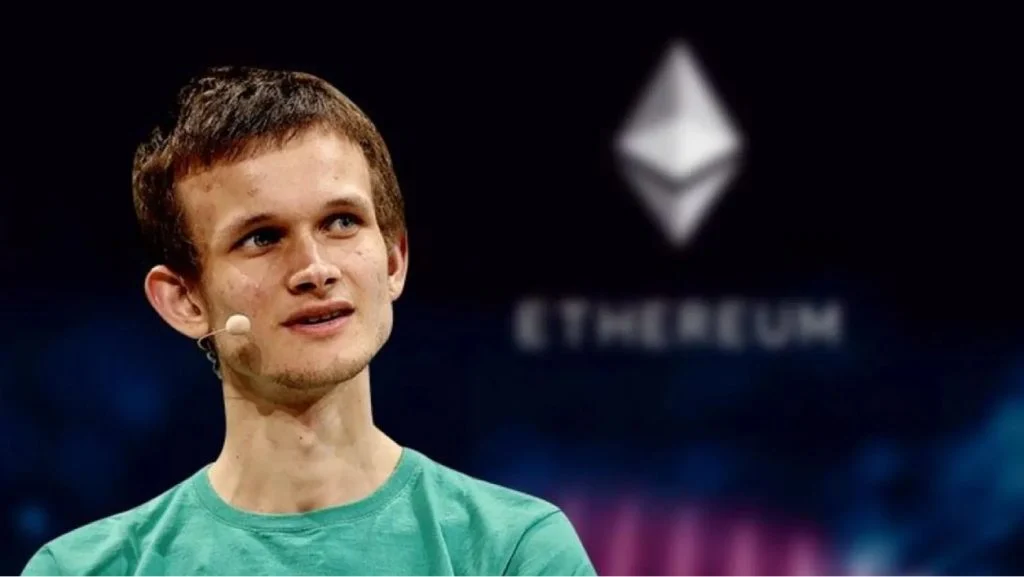
The Ethereum co-founder recently argued that wallets should evolve into smarter systems that help users understand transactions before approving them. While he believes AI will play a key role, Buterin cautions against giving it full control over high-value transactions. Instead, he envisions a hybrid model where AI assists users but final decisions remain human-controlled.
AI Could Guide Users, Not Replace Them
Buterin believes artificial intelligence could help simplify the often confusing experience of interacting with blockchain applications. However, he stressed that users should remain in control of important decisions.
Rather than letting an AI execute large transfers directly, Buterin suggested a safer workflow. In this model, an AI system would propose a transaction plan, while a local wallet client simulates what would happen on-chain. The user would then review the predicted outcome before manually approving or rejecting the transaction.
This approach would prevent blind approvals and make complex transactions easier to understand. Many current wallets obscure what actually happens during a transaction, which can expose users to mistakes or malicious smart contracts.
Transaction Simulation Could Improve DeFi Safety
A major part of Buterin’s proposal involves transaction simulations. These previews would allow users to see exactly how a transaction affects their funds before confirming it.
The concept expands on his earlier discussion around “intent-based security,” which aims to ensure that what users intend to do matches what actually occurs on the blockchain. By displaying a clear preview of outcomes, wallets could reduce confusion and lower the risk of hacks or scams.
Simulation tools could also reduce dependence on external decentralized application interfaces, which are often targeted by attackers. Instead, the wallet itself would verify and explain the transaction logic.
Rethinking Ethereum Applications
Buterin also urged developers building on Ethereum to experiment more boldly with new technologies. In recent comments, he highlighted privacy, artificial intelligence, and redesigned decentralized finance as areas where innovation is needed.
At the same time, he emphasized that experimentation should not compromise Ethereum’s core principles—censorship resistance, open-source development, privacy, and security.
In the long term, Buterin even suggested that AI systems might reshape how users interact with blockchain apps, potentially reducing the need for traditional wallet interfaces altogether.
Beyond financial tools, Buterin believes blockchain technology should contribute to what he calls “sanctuary technologies”—systems designed to protect individuals from surveillance, instability, and centralized control.
Also Read: Vitalik Buterin Sells $13M ETH — Is Ethereum Facing More Downside?
He pointed to platforms like Signal and Starlink as examples of technologies that empower users with greater independence and resilience.
Buterin’s vision highlights a broader shift in how crypto wallets may evolve. By combining AI assistance, transaction simulations, and privacy-focused design, future wallets could become far more transparent and secure. If adopted widely, these ideas could reshape how users interact with Ethereum and decentralized finance in the years ahead.
Disclaimer: The information in this article is for general purposes only and does not constitute financial advice. The author’s views are personal and may not reflect the views of Chain Affairs. Before making any investment decisions, you should always conduct your own research. Chain Affairs is not responsible for any financial losses.

I’m your translator between the financial Old World and the new frontier of crypto. After a career demystifying economics and markets, I enjoy elucidating crypto – from investment risks to earth-shaking potential. Let’s explore!