
|
Getting your Trinity Audio player ready...
|
- Bitcoin and gold are both among the weakest major assets in 2026, an unusual historical pattern.
- High interest rates, geopolitical risks, and crypto security issues are affecting investor confidence.
- Past crises show Bitcoin and gold often behave differently, making 2026 a unique market period.
Bitcoin and gold, two assets often viewed as alternatives during periods of financial uncertainty, are experiencing an unusual year in 2026. According to market strategist Charlie Bilello, both assets rank among the weakest-performing major asset classes so far this year, with Bitcoin declining 31% and gold falling 6%.
The simultaneous weakness of both digital and traditional stores of value marks a rare moment in market history. Investors appear to have reduced exposure to both assets while redirecting capital toward other opportunities that have delivered stronger returns.
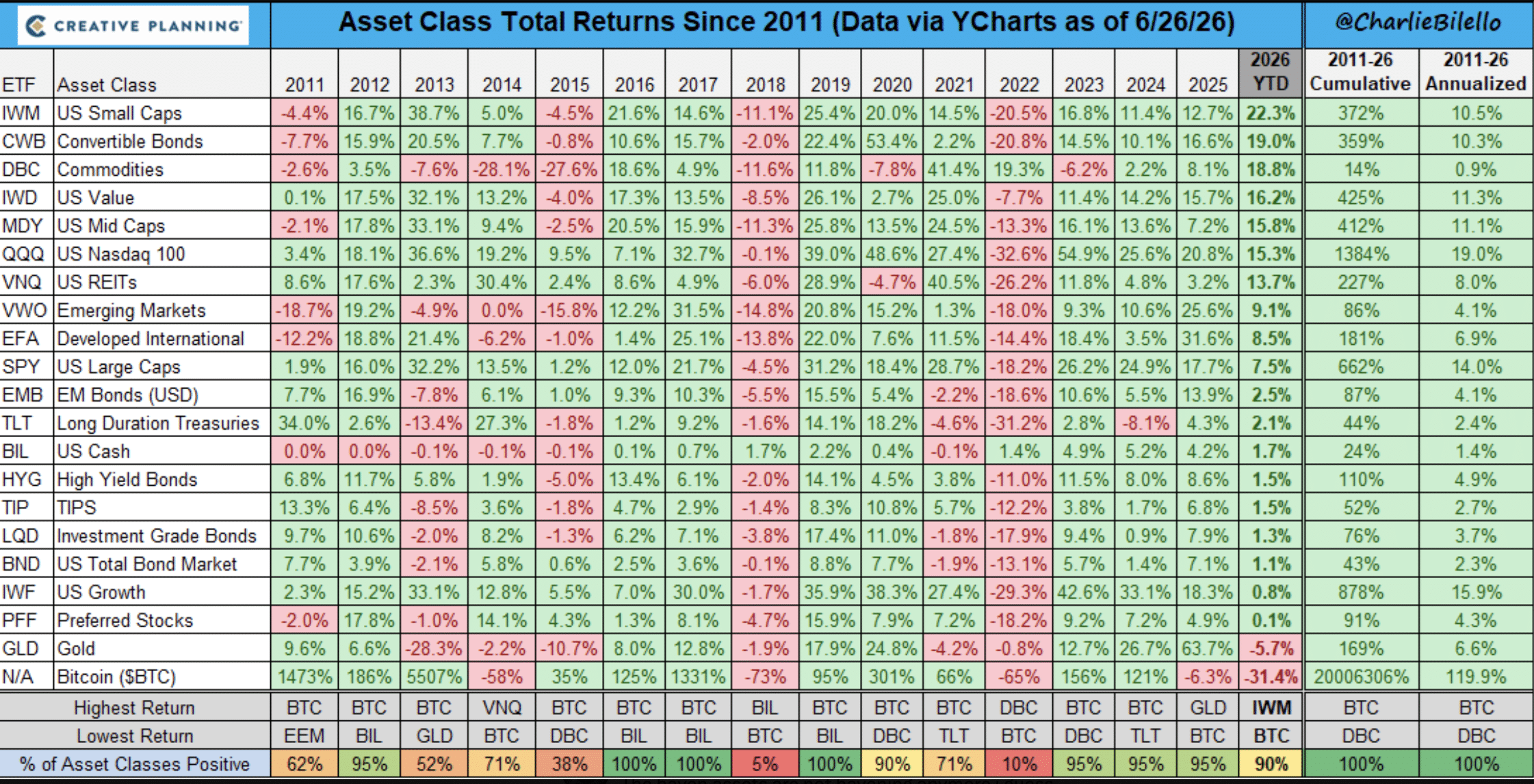
Bitcoin and Gold Struggle Amid Changing Market Conditions
The decline of Bitcoin and gold reflects a broader shift in investor sentiment. Bitcoin was trading near $60,237 at the time of reporting, following a major yearly drop, while gold stood around $4,071.95 after previously benefiting from strong demand during uncertain periods.
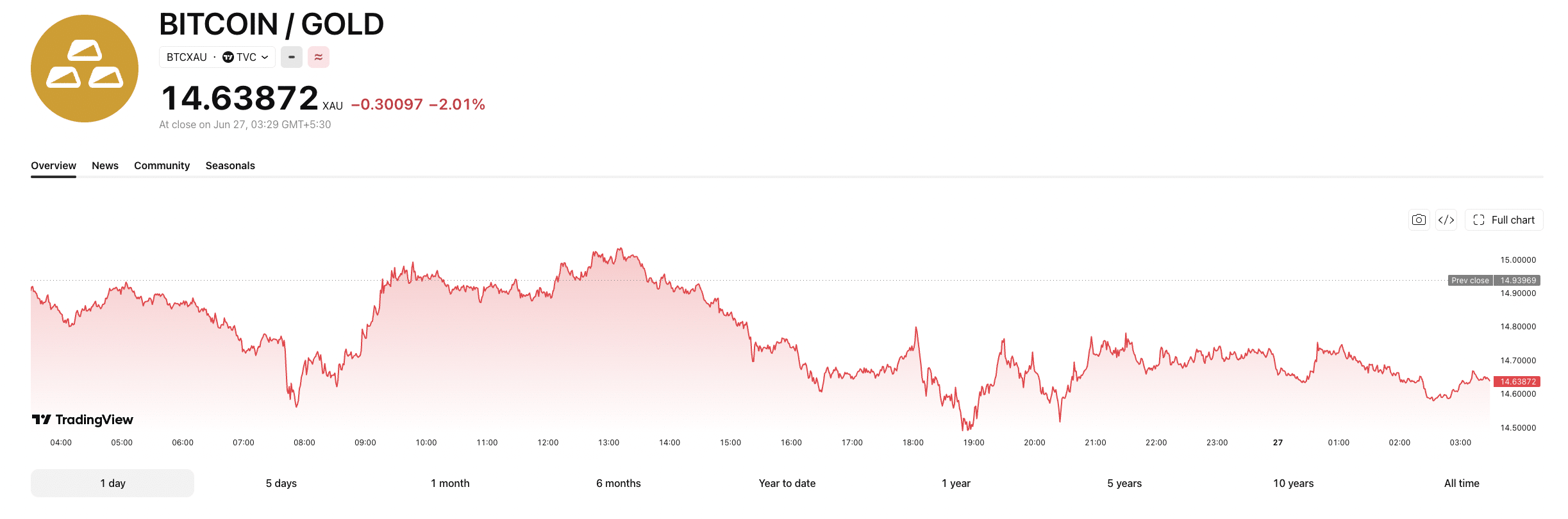
The Bitcoin-to-gold ratio also weakened, falling to around 14.63, highlighting Bitcoin’s underperformance compared with the precious metal. The relationship between the two assets has remained unstable throughout 2026, with their correlation moving between positive and negative levels.
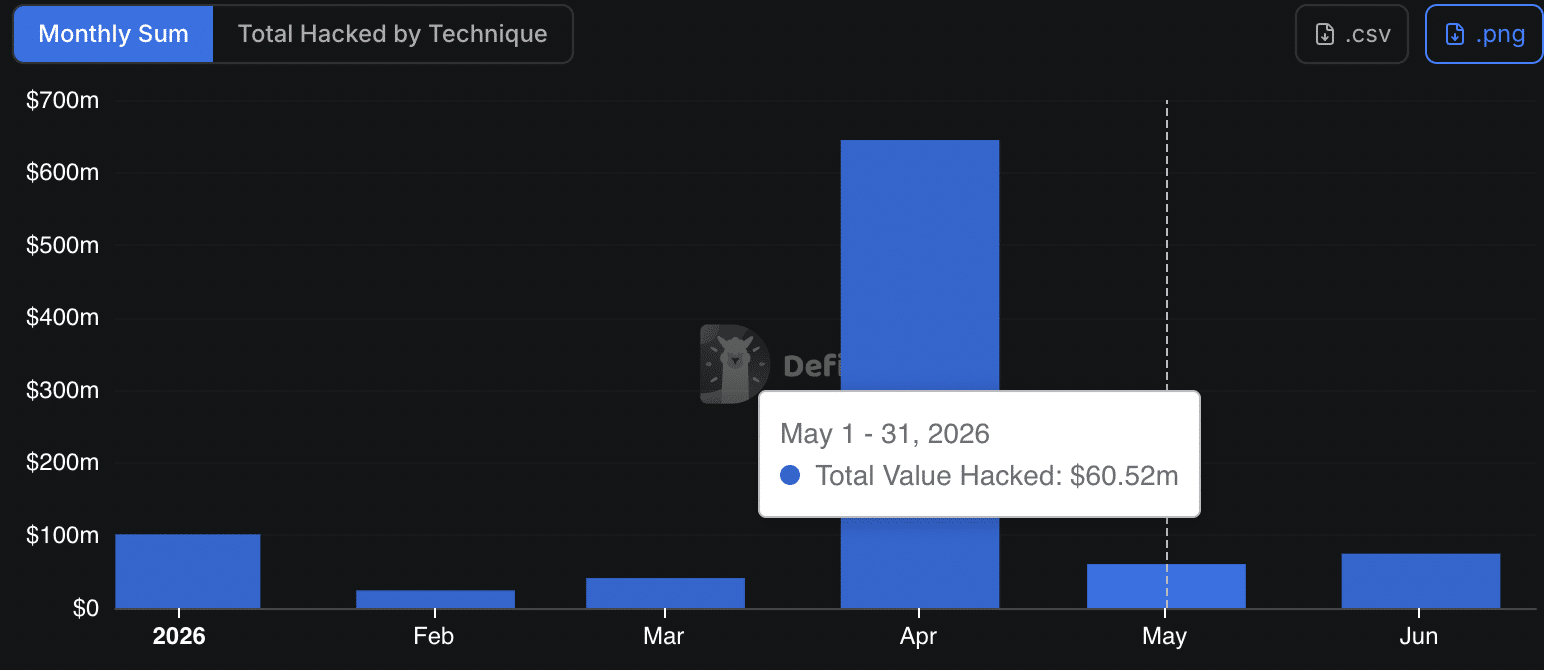
While Bitcoin and gold have not always moved together, their recent weakness suggests investors are responding to similar market pressures. High interest rates, geopolitical tensions, and security concerns across the digital asset industry have created challenges for both markets.
Why 2026 Looks Different for Crypto and Gold Investors
Historically, Bitcoin and gold have often followed different paths during periods of financial stress. Gold typically attracts investors seeking protection, while Bitcoin has gained attention as a riskier alternative asset.
However, 2026 has produced a different pattern. Bitcoin experienced a sharp decline after falling from around $90,000 to nearly $60,000, while gold initially maintained strength before also facing pressure. By June, the correlation between the two assets increased as both markets weakened.
Bitcoin analyst Adam Livingston described the current period as an extreme situation, noting that Bitcoin’s performance against gold has reached historically weak levels.
Past Market Crises Show Different Bitcoin and Gold Behavior
Previous crises produced different results. During the March COVID-19 market shock, Bitcoin gained 21%, while the S&P 500 and gold recorded smaller increases. Similar differences appeared during events such as the Russia-Ukraine conflict and banking sector concerns.
Those examples show that Bitcoin and gold do not always react the same way to global uncertainty. Their 2026 performance highlights how changing monetary policies, investor risk appetite, and market conditions can influence even the most established alternative assets.
Also Read: Bitcoin and gold are both among the weakest major assets in 2026, an unusual historical pattern.High interest rates, geopolitical risks, and crypto security issues are affecting investor confidence.Past crises show Bitcoin and gold often behave differently, making 2026 a unique market period.
The simultaneous decline of Bitcoin and gold in 2026 represents an unusual chapter for global markets. While both assets remain important to many investors, their recent performance shows that traditional expectations around safe havens are being tested. Future moves will likely depend on interest rates, economic conditions, and broader confidence across financial markets.
Disclaimer: The information in this article is for general purposes only and does not constitute financial advice. The author’s views are personal and may not reflect the views of Chain Affairs. Before making any investment decisions, you should always conduct your own research. Chain Affairs is not responsible for any financial losses.

I’m a crypto enthusiast with a background in finance. I’m fascinated by the potential of crypto to disrupt traditional financial systems. I’m always on the lookout for new and innovative projects in the space. I believe that crypto has the potential to create a more equitable and inclusive financial system.