|
Getting your Trinity Audio player ready...
|
- Oil prices climbed above $70 after renewed US-Iran military tensions near the Strait of Hormuz.
- Shipping activity slowed as traders monitored risks to global energy supplies.
- Diplomatic talks could determine whether oil markets stabilize or face more volatility.
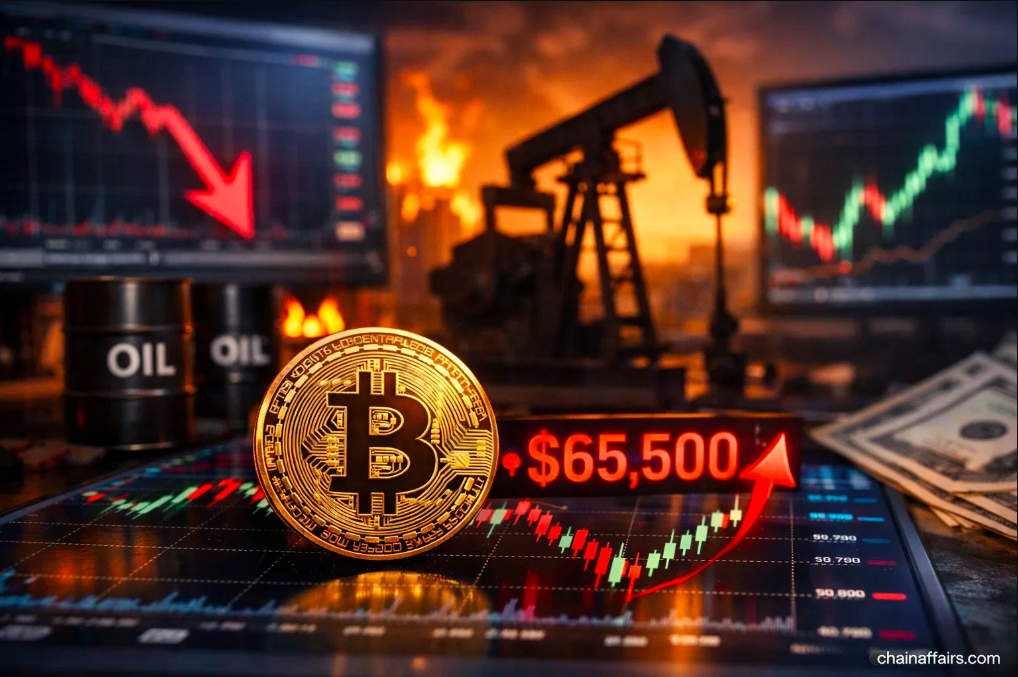
Oil markets regained momentum on Monday, June 29, as renewed military exchanges between the United States and Iran pushed energy traders back into risk mode. Prices recovered above the $70-a-barrel level after a weekend of strikes near the Strait of Hormuz, one of the world’s most important oil shipping routes.
The move came even as Washington and Tehran signaled a temporary pause in hostilities and prepared to restart diplomatic discussions. The mixed signals left investors balancing fears of supply disruptions against hopes that negotiations could prevent a wider conflict.
Oil Rises as Hormuz Tensions Shake Energy Markets
West Texas Intermediate (WTI) crude futures climbed 1.3% to $70.17, while Brent crude increased to $73.21. Both benchmarks had recently fallen to their lowest levels since late February before the latest escalation between the two countries.
The market reaction highlights how sensitive oil prices remain to developments around the Strait of Hormuz. The narrow waterway handles a significant share of global energy shipments, meaning any threat to shipping activity can quickly influence crude prices.
The latest tensions began after a June 25 drone attack by Iran’s Islamic Revolutionary Guard Corps (IRGC) on the Singapore-flagged container ship Ever Lovely near Oman’s coast. The incident came shortly after the United Nations began preparing an evacuation plan for hundreds of ships affected by regional instability.

US-Iran Strikes Increase Market Uncertainty
Following the attack, the United States launched strikes against Iranian military locations on June 26. Iran later responded with drone attacks targeting US positions in Bahrain, followed by additional exchanges between the two sides.
US President Donald Trump warned of further consequences after accusing Iran of breaking a ceasefire agreement. His comments added to concerns that the conflict could expand and create more pressure on global oil supplies.

However, diplomatic efforts continued despite the military actions. A US official said both sides would temporarily step back, allowing ships to move more freely, while technical discussions were expected in Doha.
Iranian Foreign Minister Abbas Araghchi maintained that Tehran controls access through the Strait of Hormuz, keeping a key disagreement unresolved.
Traders Watch Diplomacy and Shipping Activity
Shipping data showed only 48 vessel movements through Hormuz between June 26 and June 28, compared with 70 before the latest escalation. The slowdown reflected caution among operators as security risks increased.
For oil traders, the biggest question is whether diplomacy can stabilize the region. Recent market behavior shows crude prices respond quickly to conflict concerns but react more cautiously to signs of peace.
The upcoming Doha talks will likely determine whether tensions ease or whether the Strait of Hormuz remains a major risk factor for global energy markets. Until there is greater clarity, oil prices are expected to remain highly sensitive to every military and diplomatic development.
Also Read: Iran and Oman’s New Strait of Hormuz Move Sends Oil Prices Lower — What Happens Next?
Oil’s return above $70 shows how quickly geopolitical events can reshape energy markets. While a temporary pause between the US and Iran has reduced immediate fears, uncertainty around Hormuz remains. Investors will closely follow negotiations, shipping activity, and any signs of renewed conflict as they assess the next move for crude prices.
Disclaimer: The information in this article is for general purposes only and does not constitute financial advice. The author’s views are personal and may not reflect the views of Chain Affairs. Before making any investment decisions, you should always conduct your own research. Chain Affairs is not responsible for any financial losses.

I’m a crypto enthusiast with a background in finance. I’m fascinated by the potential of crypto to disrupt traditional financial systems. I’m always on the lookout for new and innovative projects in the space. I believe that crypto has the potential to create a more equitable and inclusive financial system.