|
Getting your Trinity Audio player ready...
|
- $3.84B in Iran-linked crypto reportedly moved through CoinEx since 2019.
- TRM Labs flags structured flow patterns involving Nobitex and multiple Iranian platforms.
- CoinEx denies wrongdoing as U.S. sanctions enforcement intensifies.
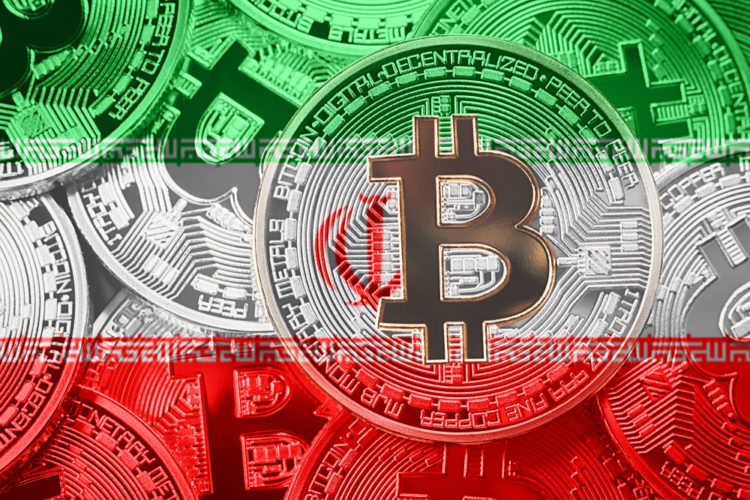
A new blockchain analysis report has raised fresh concerns over how digital assets may be used to bypass international sanctions on Iran. According to research by TRM Labs, wallets linked to sanctioned Iranian entities have moved more than $3.84 billion through the crypto exchange CoinEx since 2019. The findings place renewed focus on crypto sanctions evasion and the role of offshore exchanges in facilitating high-risk flows tied to Iran’s financial system.
Billions Flow Through CoinEx Amid Sanctions Scrutiny
The report shows that roughly $2.7 billion of the total volume moved between CoinEx and Iran’s largest domestic exchange, Nobitex, averaging about $1 million in daily transfers since 2018. TRM Labs noted that by 2024, CoinEx had become Nobitex’s dominant external counterparty, handling nearly nine times the volume of its next-largest exchange partner. Analysts described this concentration as unusual for normal market behavior, raising questions about whether the flows reflect coordinated activity rather than organic trading demand.
Iran Crypto Network Patterns Raise Red Flags
TRM Labs also found that around 60 Iranian-linked platforms were involved in routing funds through CoinEx, with top domestic exchanges directing 5% to 10% of their volume through the platform. This level of exposure suggests what researchers described as a structured network rather than isolated usage. The report further estimated that CoinEx accounted for nearly 8% of identified illicit transaction exposure—far above the 0.3% level seen on more compliant exchanges. Blockchain analytics firm Chainalysis has separately highlighted Nobitex’s role in Iran’s broader crypto economy, which it describes as a major hub for domestic trading activity.
CoinEx Response and Wider Enforcement Pressure
CoinEx rejected the allegations, stating it has no relationship with the Iranian government or domestic exchanges and does not knowingly serve sanctioned entities. The company also argued that on-chain transaction data alone cannot prove intent or awareness of illicit activity. Meanwhile, U.S. authorities, including the U.S. Department of the Treasury and the Office of Foreign Assets Control, have recently expanded enforcement actions against Iran-linked crypto infrastructure, including seizures and new sanctions targeting exchanges tied to the Islamic Revolutionary Guard Corps.
Also Read: Iran and Oman’s New Strait of Hormuz Move Sends Oil Prices Lower — What Happens Next?
The TRM Labs findings add to growing global pressure on crypto platforms operating in jurisdictions with sanctions exposure. While exchanges like CoinEx deny wrongdoing, the scale and consistency of cross-border flows highlight the ongoing challenge regulators face in tracking decentralized financial networks.
Disclaimer: The information in this article is for general purposes only and does not constitute financial advice. The author’s views are personal and may not reflect the views of Chain Affairs. Before making any investment decisions, you should always conduct your own research. Chain Affairs is not responsible for any financial losses.

I’m a crypto enthusiast with a background in finance. I’m fascinated by the potential of crypto to disrupt traditional financial systems. I’m always on the lookout for new and innovative projects in the space. I believe that crypto has the potential to create a more equitable and inclusive financial system.