|
Getting your Trinity Audio player ready...
|
- Cathie Wood believes inflation may decline faster than markets expect due to productivity gains.
- Investors are watching whether the Fed will raise rates or shift toward supporting growth.
- Alternative inflation data is fueling debate over the true state of price pressures.
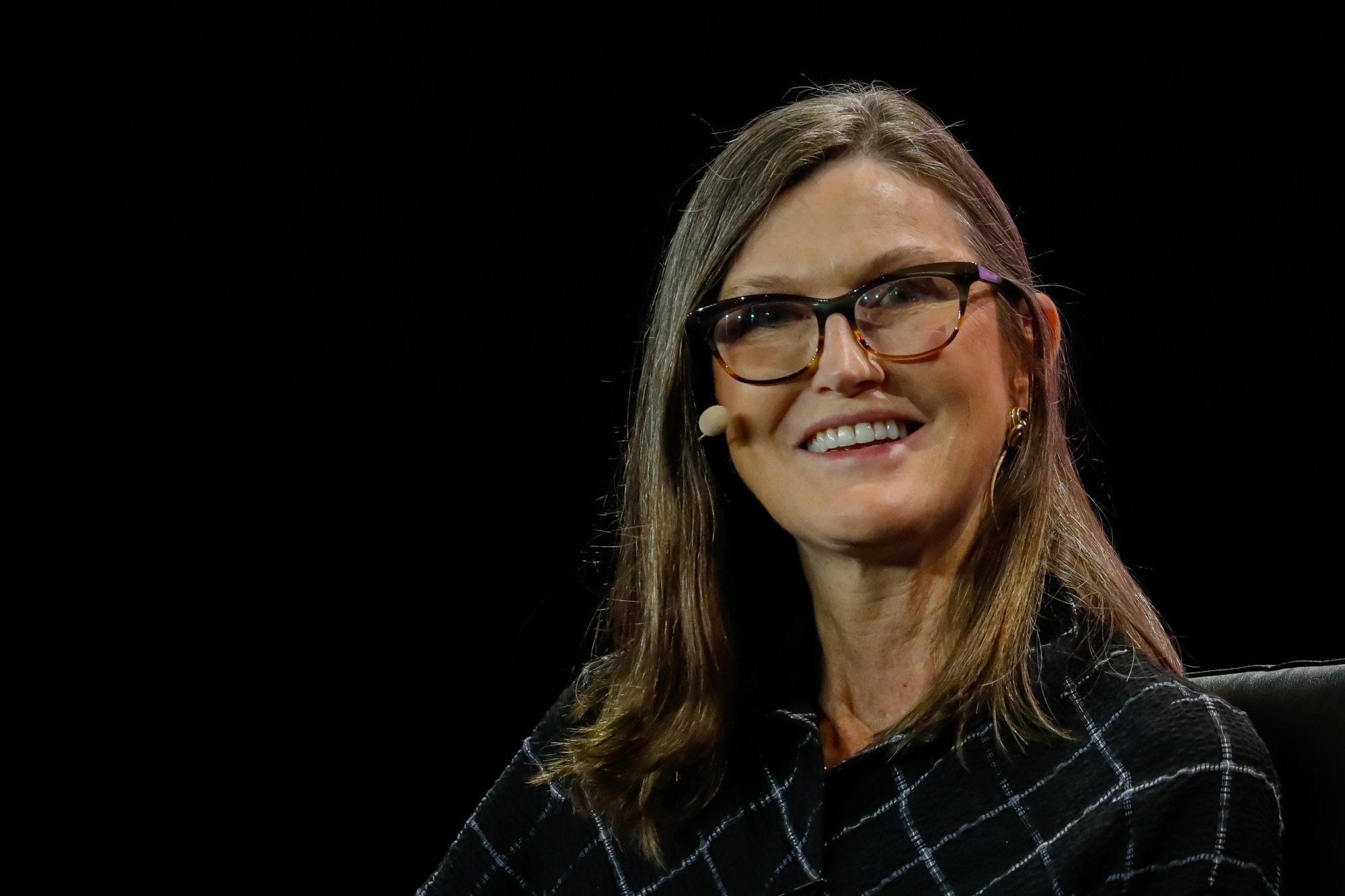
ARK Invest CEO Cathie Wood has challenged growing market concerns that inflation could remain a major threat, arguing that underlying price pressures may already be weakening. Her comments come as investors increasingly debate whether the Federal Reserve System may raise interest rates again to control inflation.
Wood’s view contrasts with recent market caution following a rise in headline inflation data. While some traders are preparing for a possible rate increase, the ARK Invest founder believes productivity improvements and slowing cost pressures could push inflation lower than many expect.
Cathie Wood’s View on Inflation Trends
During recent meetings with investors in Asia and Europe, Wood said inflation fears were among the biggest concerns being discussed. However, she argued that the broader economic picture suggests inflation may be heading in the opposite direction.
Wood pointed to labor productivity and wage data as evidence that underlying inflation pressures are easing. She noted that productivity growth in the United States increased by about 3% year over year in the first quarter, while compensation growth was around 3.5%. According to her analysis, the difference between these figures suggests unit labor cost inflation is much lower than headline numbers indicate.
The ARK Invest CEO also highlighted alternative inflation measurements, including real-time pricing data that she believes shows a sharper decline in consumer price pressures compared with official government statistics.
Markets Watch the Fed’s Next Move
Investors are closely watching the direction of monetary policy as inflation remains above the Federal Reserve’s long-term 2% target. Recent inflation data has strengthened expectations that policymakers may keep interest rates higher for longer.
Wood believes Kevin Warsh understands the role productivity can play in reducing inflation and may take a more growth-friendly approach if price pressures continue to decline.
She suggested that if the economy continues expanding while inflation falls significantly, the Fed could shift its focus from restricting growth to supporting economic activity.
A Possible Shift From Inflation Control to Growth Support
Wood’s outlook reflects a broader debate among investors over whether inflation is becoming a temporary concern rather than a long-term challenge. While some economists remain cautious, she believes falling inflation could create room for a more accommodative Federal Reserve policy.
The ARK Invest CEO expects future Fed decisions to depend heavily on economic performance and inflation trends. If price growth continues slowing while economic momentum improves, she believes policymakers may become less focused on tightening financial conditions.
For investors, the key question remains whether inflation will continue cooling enough to change the Federal Reserve’s strategy in the months ahead.
Also Read: 5 Crypto Stocks Cathie Wood Is Betting Big On as Markets Face a $3 Trillion Sell-Off
Cathie Wood’s latest comments highlight a different interpretation of the inflation outlook. While markets remain focused on possible rate hikes, she argues that productivity gains and declining cost pressures could lead to much lower inflation. The Fed’s next steps will depend on whether incoming data supports a continued slowdown in prices.
Disclaimer: The information in this article is for general purposes only and does not constitute financial advice. The author’s views are personal and may not reflect the views of Chain Affairs. Before making any investment decisions, you should always conduct your own research. Chain Affairs is not responsible for any financial losses.

I’m your translator between the financial Old World and the new frontier of crypto. After a career demystifying economics and markets, I enjoy elucidating crypto – from investment risks to earth-shaking potential. Let’s explore!