|
Getting your Trinity Audio player ready...
|
- Analysts believe Japan’s gradual rate hikes reduce the chances of a sudden XRP catalyst.
- Stablecoins continue to dominate global payment flows, limiting XRP adoption growth.
- Institutional investors are accumulating XRP despite recent market volatility.
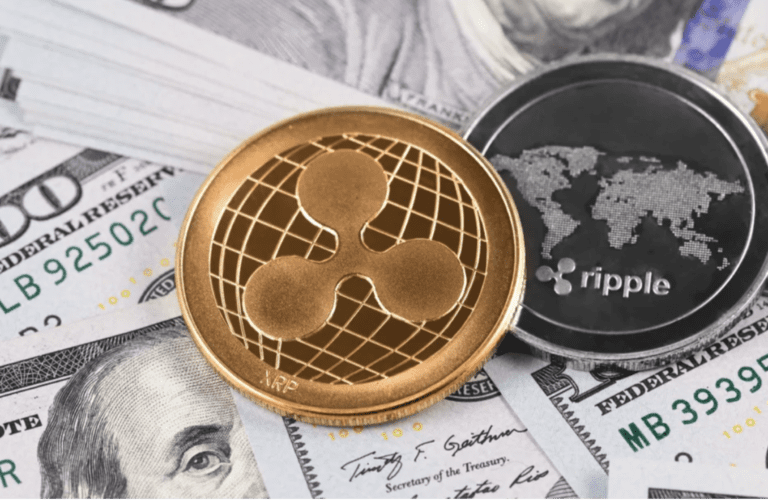
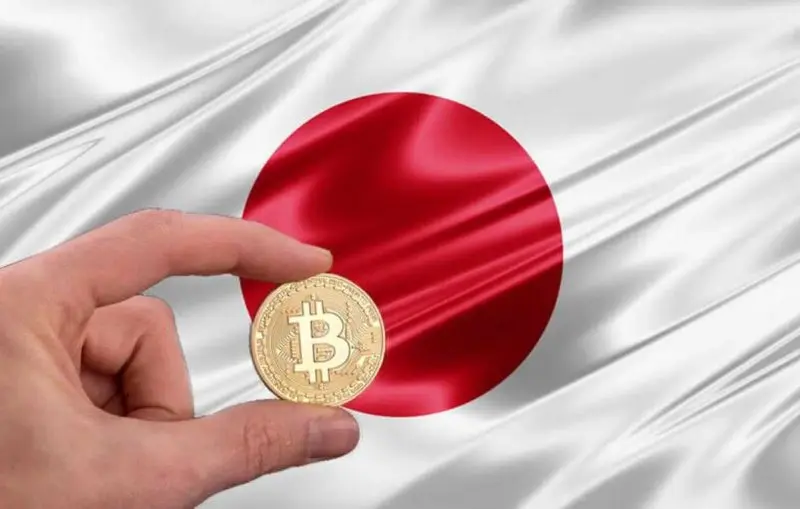
Renewed debate around Japan’s monetary policy is fueling speculation across the cryptocurrency market, with some XRP supporters arguing that a future unwind of the Japanese yen carry trade could become a major catalyst for XRP’s price. However, not everyone is convinced that such a scenario would translate into an immediate rally.
Recent commentary from XRP community analyst Eri has challenged the growing narrative, suggesting that expectations of a rapid XRP surge tied to Japan’s interest rate policies may be overly optimistic.
Why the Japan-XRP Theory Faces Challenges
According to Eri, one of the biggest reasons for skepticism is the pace of Japan’s monetary tightening. The Bank of Japan has gradually moved away from ultra-loose policy, but interest rate increases have remained relatively modest. Because the changes have been slow and predictable, large institutions and leveraged investors have had ample time to adjust their positions.
That gradual transition reduces the likelihood of a sudden market shock that would force a rapid unwinding of carry-trade positions, an event some traders believe could send liquidity into risk assets, including cryptocurrencies.
Higher Rates May Still Be Years Away
Another factor highlighted by Eri is that the conditions required for a significant carry-trade disruption may not yet exist. In her assessment, Japanese interest rates would likely need to climb much higher before creating meaningful stress in global markets.
If rates continue rising at their current pace, such a scenario could still be many months away. As a result, investors expecting an immediate XRP price breakout from developments in Japan may need to temper their expectations.
XRP Still Faces Liquidity Competition
Eri also pointed to XRP’s position within the broader payments ecosystem. While XRP was designed to facilitate cross-border transfers, stablecoins continue to dominate global settlement activity due to their deep liquidity and widespread adoption.
Assets such as USDT and USDC remain preferred transaction vehicles for many institutions, limiting XRP’s ability to capture a larger share of international payment flows in the near term.
Despite doubts surrounding the carry-trade thesis, institutional demand for XRP remains visible. The token recently experienced a sharp decline following a wave of leveraged liquidations that pushed its price below key support levels.
However, institutional investors appeared to take advantage of the weakness. Spot XRP investment products attracted fresh inflows even as capital exited Bitcoin-focused funds.
Market participants are now closely watching the $1.20–$1.22 region. Sustained buying interest could support a recovery toward higher resistance levels, while continued market pressure may expose XRP to additional downside risk.
Also Read: Japan Approves Foreign Stablecoins as US Crypto Bill Gains Momentum
While the idea of a Japan-driven XRP rally continues to attract attention, several obstacles remain before such a catalyst becomes reality. Gradual rate hikes, the absence of immediate carry-trade stress, and competition from stablecoins all suggest that expectations may be running ahead of market fundamentals. Still, ongoing institutional accumulation indicates that long-term confidence in XRP remains intact, even if a major breakout does not arrive as quickly as some investors hope.
Disclaimer: The information in this article is for general purposes only and does not constitute financial advice. The author’s views are personal and may not reflect the views of Chain Affairs. Before making any investment decisions, you should always conduct your own research. Chain Affairs is not responsible for any financial losses.

I’m your translator between the financial Old World and the new frontier of crypto. After a career demystifying economics and markets, I enjoy elucidating crypto – from investment risks to earth-shaking potential. Let’s explore!