
|
Getting your Trinity Audio player ready...
|
- Japan’s rising bond yields are increasing fears of global financial instability.
- XRP is being discussed as a possible tool to improve liquidity in cross-border banking.
- Investors are closely watching the Bank of Japan and U.S. Treasury market reactions.
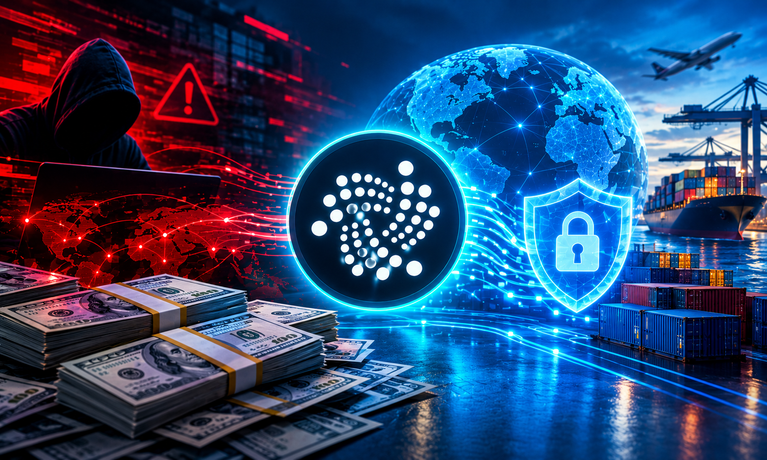
Japan’s government bond market is flashing warning signs that investors around the world can no longer ignore. Rising yields in the world’s third-largest economy are fueling concerns about a wider financial shock that could hit global credit markets, currencies, and government debt.
At the center of the discussion is an unexpected player: XRP. Some analysts now argue that blockchain-based settlement systems could help ease mounting liquidity pressure if stress in traditional finance continues to spread.
Japan’s Bond Market Reaches a Breaking Point
Japan’s long-term bond yields have climbed to levels not seen in decades. The country’s 30-year government bond recently crossed 4% for the first time since its launch in 1999, while the 10-year yield continues hovering near multi-decade highs.
The move reflects growing pressure on the Japanese financial system after years of ultra-low interest rates. For decades, investors borrowed cheap yen and invested in higher-yielding assets globally through what became known as the “yen carry trade.”
Now, that strategy is rapidly unwinding as the Bank of Japan tightens policy and raises rates.
Analyst Catalina Castro warned that the situation could create a chain reaction across global markets. Japan remains one of the largest foreign holders of U.S. Treasury debt, and large-scale selling from Japanese investors could push American yields even higher.
That pressure is already becoming visible. Japanese institutions reportedly sold nearly $30 billion worth of U.S. Treasuries during the first quarter of 2026, marking the largest quarterly reduction since 2022.
Higher Treasury yields would likely increase borrowing costs across mortgages, business credit, and risk assets worldwide.
Why XRP Is Suddenly Part of the Conversation
As liquidity conditions tighten, attention is shifting toward financial technologies that can reduce capital inefficiencies inside the banking system.
Traditional cross-border banking relies heavily on nostro and vostro accounts, where banks hold pre-funded foreign currency reserves to facilitate international payments. Trillions of dollars remain locked inside these accounts globally.
Ripple’s On-Demand Liquidity (ODL) system aims to reduce that burden by using XRP as a bridge asset for near-instant international settlements.
Instead of maintaining large idle reserves overseas, banks can convert local currency into XRP, transfer it within seconds, and exchange it into the destination currency almost immediately.
Supporters argue this approach could free up significant liquidity during periods of financial stress.
Ripple’s pilot programs have also reported lower settlement costs and faster transaction times compared with traditional systems like SWIFT, though large-scale adoption remains limited by regulation and institutional caution.
Markets Brace for More Volatility
Investors are now closely watching the Bank of Japan’s next move. Further yield increases or accelerated capital repatriation from overseas markets could intensify volatility globally.
Also Read: Why Japan and South Korea Are Quietly Driving XRP’s Massive Growth
At the same time, the debate over modernizing financial infrastructure is gaining momentum. Blockchain-based payment systems, including Ripple’s XRP-powered solutions, are increasingly being discussed as potential tools for improving efficiency in an era of tighter liquidity and rising debt costs.
Whether XRP becomes a core part of global finance remains uncertain. But as stress builds in traditional markets, alternative settlement systems are receiving more serious attention than ever before.
Disclaimer: The information in this article is for general purposes only and does not constitute financial advice. The author’s views are personal and may not reflect the views of Chain Affairs. Before making any investment decisions, you should always conduct your own research. Chain Affairs is not responsible for any financial losses.

I’m a crypto enthusiast with a background in finance. I’m fascinated by the potential of crypto to disrupt traditional financial systems. I’m always on the lookout for new and innovative projects in the space. I believe that crypto has the potential to create a more equitable and inclusive financial system.