|
Getting your Trinity Audio player ready...
|
- XRP’s popularity in Asia is tied to decades of ultra-low interest rates.
- Japan’s retail FX trading culture has naturally expanded into crypto markets.
- Institutional interest and cross-border payments continue boosting XRP demand.
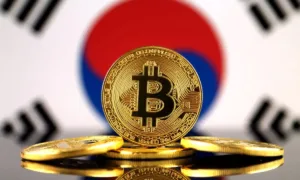
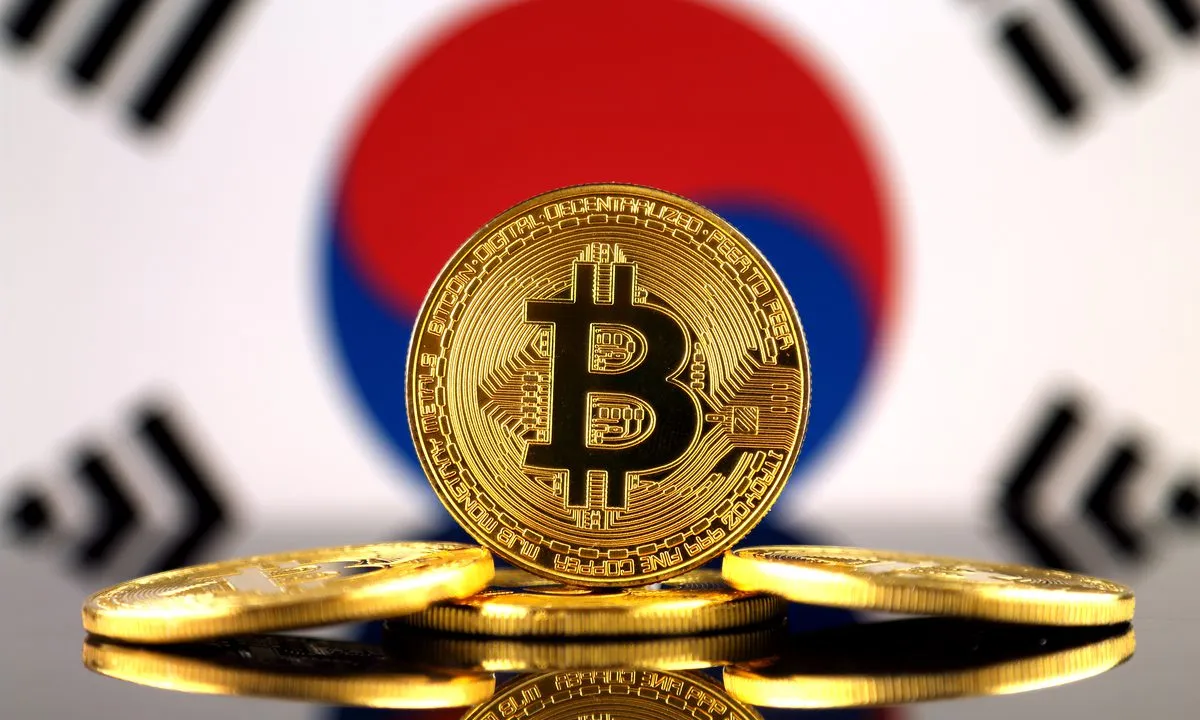
XRP’s strong following in Japan and South Korea may have less to do with crypto speculation and more to do with long-standing economic conditions across Asia. According to Ripple’s APAC Vice President, Fiona Murray, years of ultra-low interest rates pushed retail investors to seek alternative assets long before digital currencies entered the mainstream.
Speaking about the trend, Murray explained that investors in countries like Japan and South Korea increasingly view XRP as both a store of value and an opportunity for higher returns in a low-yield environment. That shift reflects a broader change in investor behavior that has been developing for decades.
Japan’s “Mrs. Watanabe” Trading Culture Evolves
Japan’s retail trading culture began expanding in the 1990s and early 2000s when traditional savings accounts offered almost no meaningful returns. Millions of everyday investors turned to foreign exchange trading through online platforms in search of better opportunities.
This phenomenon became widely known as the “Mrs. Watanabe” effect, referring to Japanese retail traders who actively participated in global currency markets. Over time, Japan became one of the world’s largest retail FX trading hubs.
Now, analysts say that same risk-tolerant mindset is shifting toward cryptocurrencies. As forex markets became more competitive and profits harder to secure, many retail traders started exploring digital assets with stronger growth potential.
Why XRP Stands Out in Asia
Unlike many speculative cryptocurrencies, XRP has built a reputation in Asia through its association with traditional financial firms, particularly SBI Holdings. That connection has helped XRP appeal to investors looking for a bridge between conventional finance and blockchain technology.
Institutional interest in XRP also appears to be growing in Japan. Reports highlighted by crypto analyst Xaif Crypto suggest that SBI Group could be exploring a Bitcoin and XRP ETF tied to the Tokyo Stock Exchange. The proposal reportedly targets billions in assets under management over the next few years.
At the same time, Japan’s regulators are said to be reviewing how digital assets fit into the country’s broader financial system, signaling a potentially more mature regulatory approach.
Cross-Border Payments Continue Driving Demand
XRP’s utility in international payments remains another major reason for its popularity in Asia. Japan and South Korea maintain large trade and remittance corridors, where fast settlement speeds and lower transaction costs are highly valued.
Compared with traditional banking transfers, XRP offers near-instant transactions with reduced fees, making it attractive for businesses and retail users alike.
Also Read: South Korea’s Biggest Bank-Crypto Deal Sends XRP Trading Volume Soaring
For many investors across Asia, XRP is increasingly being viewed not simply as another altcoin, but as part of an alternative financial system designed for economies where low interest rates have reshaped investment behavior for years.
The growing adoption of XRP in Japan and South Korea reflects deeper economic trends rather than short-term crypto hype. Decades of weak yields encouraged retail investors to embrace higher-risk assets, first in forex markets and now in digital currencies. Combined with institutional partnerships, payment utility, and growing regulatory attention, XRP continues to strengthen its position across Asia’s evolving financial landscape.
Disclaimer: The information in this article is for general purposes only and does not constitute financial advice. The author’s views are personal and may not reflect the views of Chain Affairs. Before making any investment decisions, you should always conduct your own research. Chain Affairs is not responsible for any financial losses.

I’m your translator between the financial Old World and the new frontier of crypto. After a career demystifying economics and markets, I enjoy elucidating crypto – from investment risks to earth-shaking potential. Let’s explore!