
|
Getting your Trinity Audio player ready...
|
- Kraken is migrating kBTC and future wrapped assets onto Chainlink CCIP infrastructure.
- Institutions are prioritizing secure, audited interoperability systems after years of bridge exploits.
- Chainlink’s growing dominance raises both adoption opportunities and concentration risk concerns.
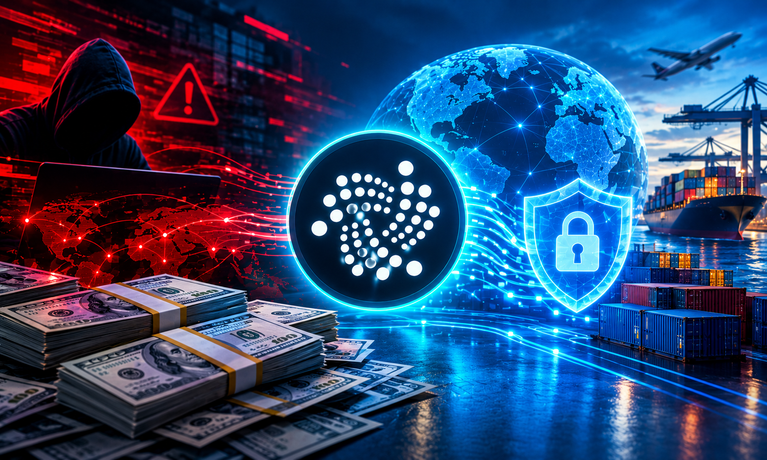
Institutional crypto firms are placing greater emphasis on security and reliability as cross-chain activity continues expanding across decentralized finance markets. That trend gained fresh momentum after crypto exchange Kraken revealed plans to migrate its wrapped Bitcoin product, kBTC, and future wrapped assets onto Chainlink’s Cross-Chain Interoperability Protocol (CCIP).
The move highlights how institutional players are increasingly favoring audited and standardized interoperability systems following years of bridge-related exploits that exposed weaknesses in cross-chain infrastructure.

Kraken Expands kBTC Infrastructure Through Chainlink CCIP
Kraken’s kBTC ecosystem currently holds around $330 million distributed across DeFi platforms. By integrating Chainlink CCIP, the exchange aims to strengthen how wrapped assets move between blockchain networks while improving operational security and settlement reliability.
The migration will initially support ecosystems including Ethereum, Ink, Unichain, and Optimism. The decision reflects growing institutional demand for infrastructure capable of handling large-scale liquidity flows across fragmented blockchain environments.
Wrapped Bitcoin products have become a major component of decentralized finance, allowing Bitcoin liquidity to circulate across non-Bitcoin networks. However, the sector has also faced repeated security breaches tied to vulnerable bridge systems and centralized custody risks.
As a result, institutions increasingly appear willing to prioritize tested infrastructure providers over newer experimental interoperability protocols.
Chainlink Strengthens Its Position in Institutional Crypto
Chainlink’s role within crypto markets has steadily expanded beyond oracle services into broader settlement and interoperability infrastructure. The network now reportedly secures more than $33 billion in value across connected ecosystems, reinforcing its growing influence within institutional blockchain operations.
Momentum around CCIP also accelerated sharply during the first quarter of 2026. Transfer volumes reportedly climbed 78% quarter-over-quarter and more than 300% year-over-year, while the number of active tokens integrated into the protocol rose significantly.
That growth signals rising institutional confidence in standardized interoperability frameworks as digital asset markets mature.
Rising Infrastructure Concentration Raises New Concerns
Despite the optimism surrounding secure interoperability, the industry’s increasing reliance on a smaller number of infrastructure providers could create new risks over time.
As more liquidity and settlement activity flow through dominant coordination layers like Chainlink CCIP, concerns around systemic dependency are beginning to surface. Outages, governance disputes, or technical failures affecting major providers could potentially impact large portions of the broader DeFi ecosystem simultaneously.
Still, for many institutions entering crypto markets, reliability and compliance appear to outweigh concerns about decentralization trade-offs.
Also Read: Kraken Parent and Franklin Templeton Launch Major Tokenized Finance Push
Kraken’s decision to migrate kBTC onto Chainlink CCIP underscores a broader shift happening across institutional crypto markets. Security-focused interoperability is rapidly becoming a top priority as firms seek safer ways to move liquidity between blockchain ecosystems.
While the transition strengthens confidence in audited infrastructure, it also highlights the growing concentration of power among a handful of dominant providers shaping the future of cross-chain finance.
Disclaimer: The information in this article is for general purposes only and does not constitute financial advice. The author’s views are personal and may not reflect the views of Chain Affairs. Before making any investment decisions, you should always conduct your own research. Chain Affairs is not responsible for any financial losses.

I’m a crypto enthusiast with a background in finance. I’m fascinated by the potential of crypto to disrupt traditional financial systems. I’m always on the lookout for new and innovative projects in the space. I believe that crypto has the potential to create a more equitable and inclusive financial system.